The 2029 election race has begun, and some are already at an advantage
Co-options present an opportunity to include more women in politics
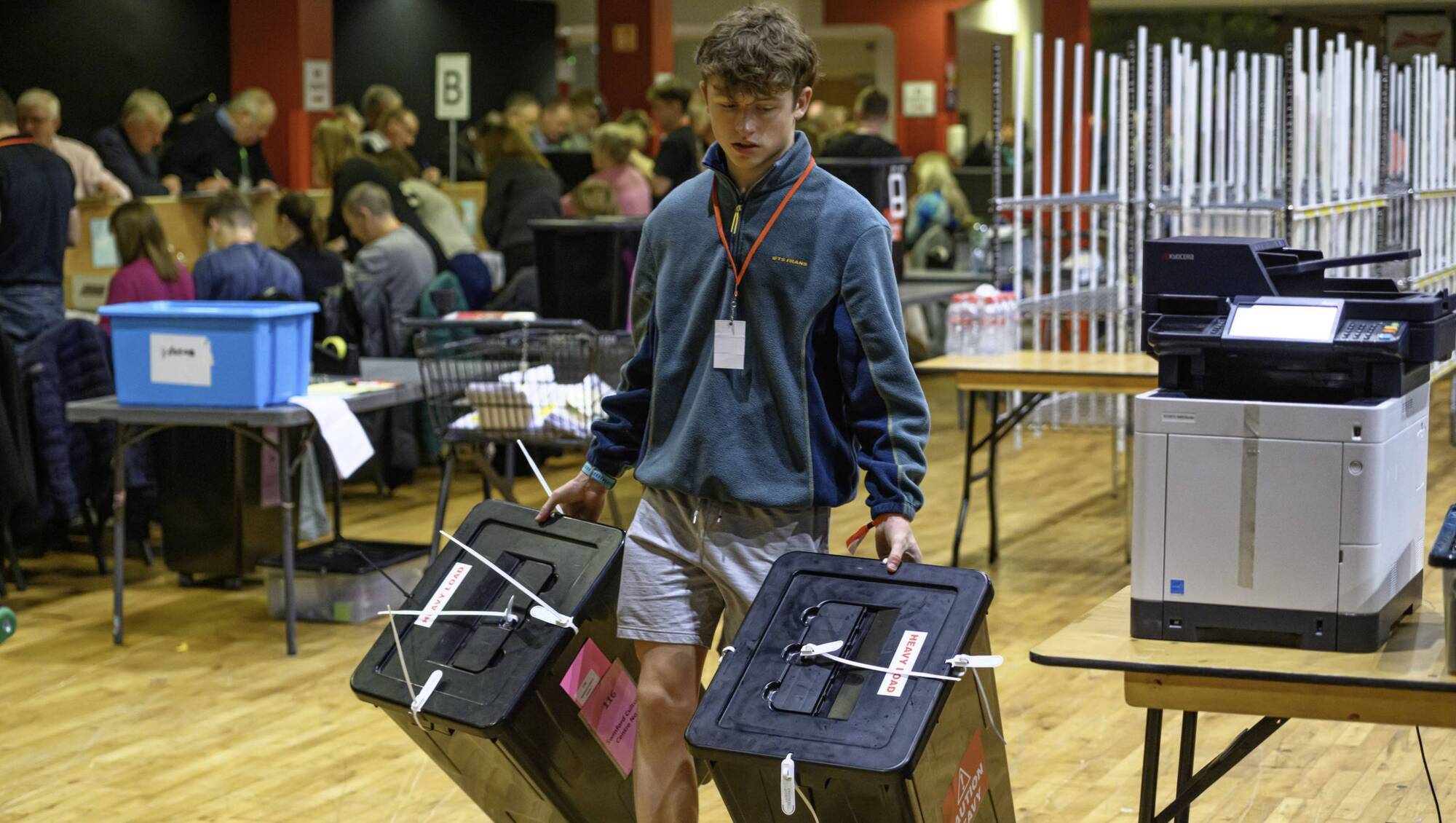
Research following the 2024 local elections found that 85% of incumbent candidates were re-elected. File picture: Michael McLaughlin

Research following the 2024 local elections found that 85% of incumbent candidates were re-elected. File picture: Michael McLaughlin

We tend to think that councillors are chosen on election day. Technically, of course, they are. But if you want to understand who is likely to be elected to our councils in 2029, you need to pay attention to what is happening now.

Since the 2024 local elections, 89 council seats have changed hands through co-option, with four changing hands twice. Much of it is explained by the political upheaval caused by the general and Seanad elections which followed the local elections. 53 councillors have gone on to become TDs and another 18 are now senators. Three councillors have sadly died and 14 have stepped down.

All those vacant seats had to be filled. At See Her Elected, we have been tracking who gets them, because co-option is much more than an administrative process for filling an empty council seat. It can confer an enormous electoral advantage on the person selected.

Our research following the 2024 local elections found that 85% of incumbent candidates were re-elected, taking 72% of all council seats. The advantage was almost identical for women and men: 86% of female incumbents and 88% of male incumbents retained their seats. Now compare that with somebody trying to break into local politics for the first time.

Among new candidates, the success rate was just 19%. That is why I think we need to stop treating co-options as internal party housekeeping.

Being co-opted gives someone the title of councillor. It gives them name recognition. Their photograph starts appearing beside council announcements and local projects. Constituents contact them about roads, housing, planning, and community issues.

They build relationships, networks, and a record of constituency work. By the time their challenger arrives at the doorstep saying “I would like to be your councillor”, the co-opted candidate may already have been doing the job for several years.

There is good news for women in the co-option statistics. Immediately after the 2024 local elections, 247 of Ireland’s 949 councillors were women. Today there are 261. That’s an increase of 14 without a local election taking place.

But there is another way of looking at those numbers. There have been 89 opportunities to put somebody new into a council chamber, and men have taken the lion’s share. The two largest parties in local government particularly matter here. Fianna Fáil has increased its number of female councillors from 51 to 54 through the co-options. Fine Gael has gone from 66 to 71. Both are moving in the right direction.

But Fianna Fáil also had ten occasions when a seat held by a man was filled by another man. Fine Gael had 12. Those were opportunities not taken. Political parties frequently tell us they want more women in politics.

If so, why not take every opportunity to translate political equality opportunities into action?

If the answer to that is women, including women from different backgrounds and with different life experiences, are not in party branches, local area representative networks, and other positions from which credible candidates emerge, then why not?

The status quo is not good enough if it is only working for men.

Political 'inheritance'

There is another important story emerging from a study of co-options, and it concerns one of the oldest traditions in Irish politics: The political family.

Some 14 council seats have passed to relatives through co-option since 2024. But the traditional image of political inheritance where the seat “travelled” from one man in the family to another doesn’t quite fit what is happening.

Seven of those 14 seats went from a male councillor to a female relative.

We have seen three sisters replace their brothers, three daughters replace their fathers and a wife replace her husband. We have also seen a daughter succeed her mother and a mother take her daughter’s seat. The old pattern has not disappeared. Seats have passed between brothers and from fathers to sons too.

But something is changing. Women are increasingly inheriting the political capital, networks and name recognition that once travelled predominantly down the male line. That is interesting, but political dynasties are hardly going to solve women’s under-representation. But co-options from now on just might help, because they can level the playing field.

When a vacancy arises, somebody is effectively being given a considerable head start towards the next election. That is why I say that party leadership on women’s representation cannot begin six months before polling day with a scramble to find female candidates. It has to reach right down through the organisation, branch by branch, identifying, recruiting and supporting women long before a vacancy or selection convention arises.

There are just under three years until the next local elections. That sounds like plenty of time. In politics, it isn’t.

The race to 2029 has already begun, and some candidates are starting several lengths ahead.

  • Michelle Maher is See Her Elected programme manager.
  • See Her Elected is a programme under Longford Women’s Link supporting women in rural Ireland to become candidates in local elections. The programme aims to increase female representation in local government and ensure women from diverse backgrounds have a voice in political decision-making. It is funded by the Department of Housing, Local Government and Heritage. For more about our work see www.seeherelected.ie

x

More in this section

Revoiced

Newsletter

Had a busy week? Sign up for some of the best reads from the week gone by. Selected just for you.

Cookie Policy Privacy Policy Brand Safety FAQ Help Contact Us Terms and Conditions

© Examiner Echo Group Limited