Irish culture is thriving — but what about our mythology?
The Irish have an odd relationship with our culture. Irish culture is booming right now. Global interest in learning the Irish language has reached a new peak; Cillian Murphy and Paul Lynch have captured hearts worldwide, along with dozens more actors and writers.
However, at home, we so often seem to keep our culture at arm’s length.
Nowhere is this more apparent than in our mythology. While we’re happy to wax lyrical about our folk music, or take pride in how many US presidents claim ancestry from us, there is no similar enthusiasm about our myths in the same way the Greeks still proudly host monuments to their classical gods, or how the Icelanders still speak fondly of the ‘hidden folk’.
There have been attempts to revive this part of our culture. From the 19th century, the Celtic Revival saw artists and scholars breathe new life into Celtic literature after centuries of British efforts to marginalise Gaelic culture. This effort was certainly not in vain, either, with the works of the likes of WB Yeats specifically bringing attention to many folktales that had been mostly passed around the rural regions of Ireland beforehand.
Tragically, this very attempt might be partially why we feel so little connection to our myths today. By over-romanticising our past, these same scholars failed to bridge the gap between the stories of old and the lives of the modern Irish.
Although the Celtic Revival shaped future leaders, its vision of a free Ireland proved more influential than its efforts to revive ancient mythology.
Read More
Although well intentioned, Yeats and his contemporaries reinforced the idea that Irish myths belonged to the past. By recording stories that had evolved through oral tradition, they inadvertently turned living folklore into relics, leaving many Irish people disconnected from their own mythology.
Sure, we all know some old myth or another, but deep understanding often eludes us. Most Irish will know the names Cú Chulainn or Fionn, and maybe that one killed a dog and another built the Giant’s Causeway — though I suspect many would have to think about who did which.
The same extends to that most famous of our myths, the fairies.
If you forgive a brief tangent, going back to Iceland, faeries play a huge role in their cultural exports. While stories of Icelanders still believing in elves are certainly overblown, they clearly take a great pride in this part of their culture.
On a trip to Reykjavik, one will be inundated with stories about how a famous spa had construction delayed due to needing to sort out planning details with the local elves, or how the ‘hidden-folk’ have been said to be spotted around nearly every local natural landmark.
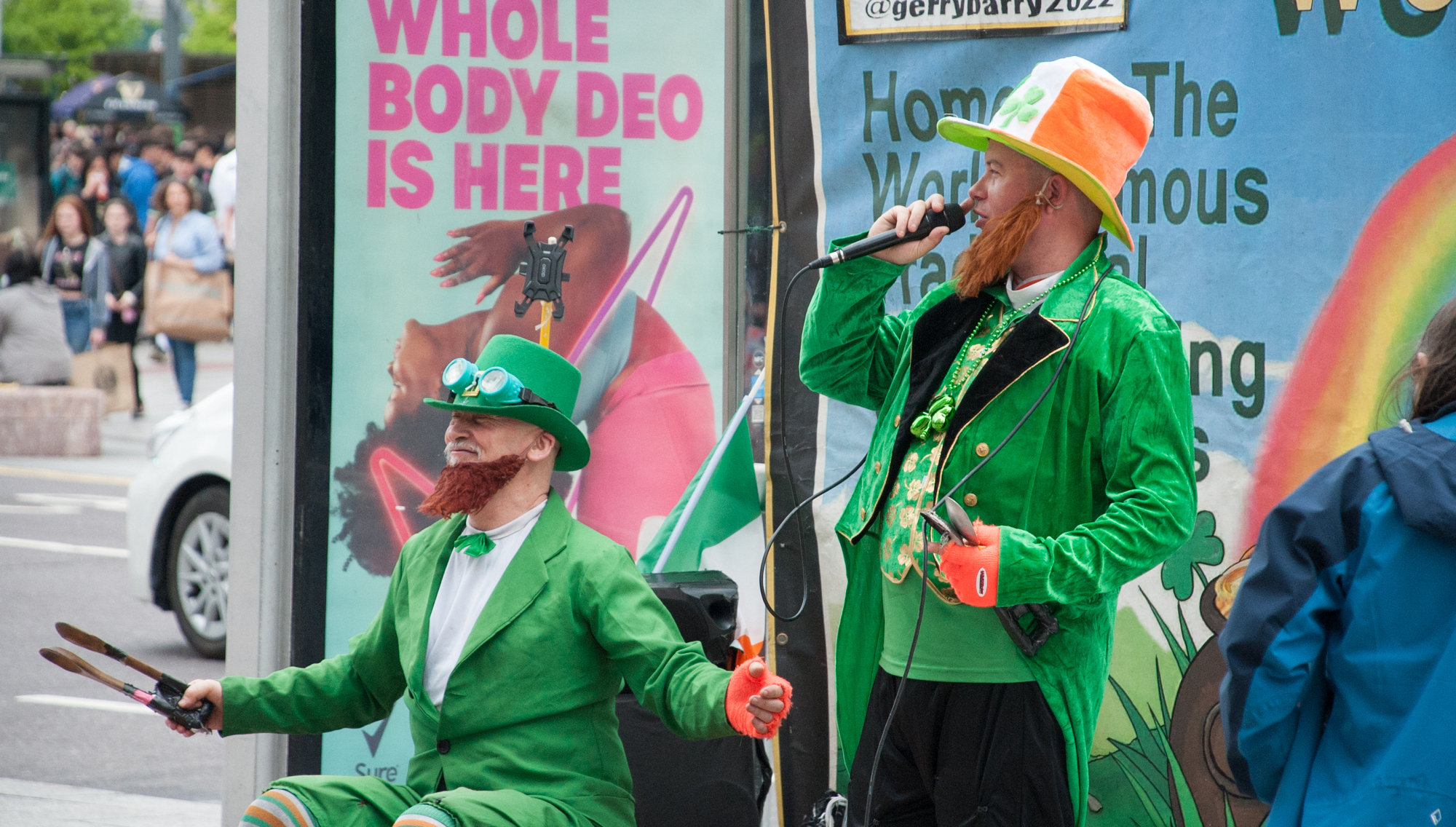
Meanwhile, what’s Ireland’s relationship with our fair folk? Mostly just an image of a leprechaun, clad in green, used mostly to sell tat to tourists and deemed culturally embarrassing by a lot of Irish people.
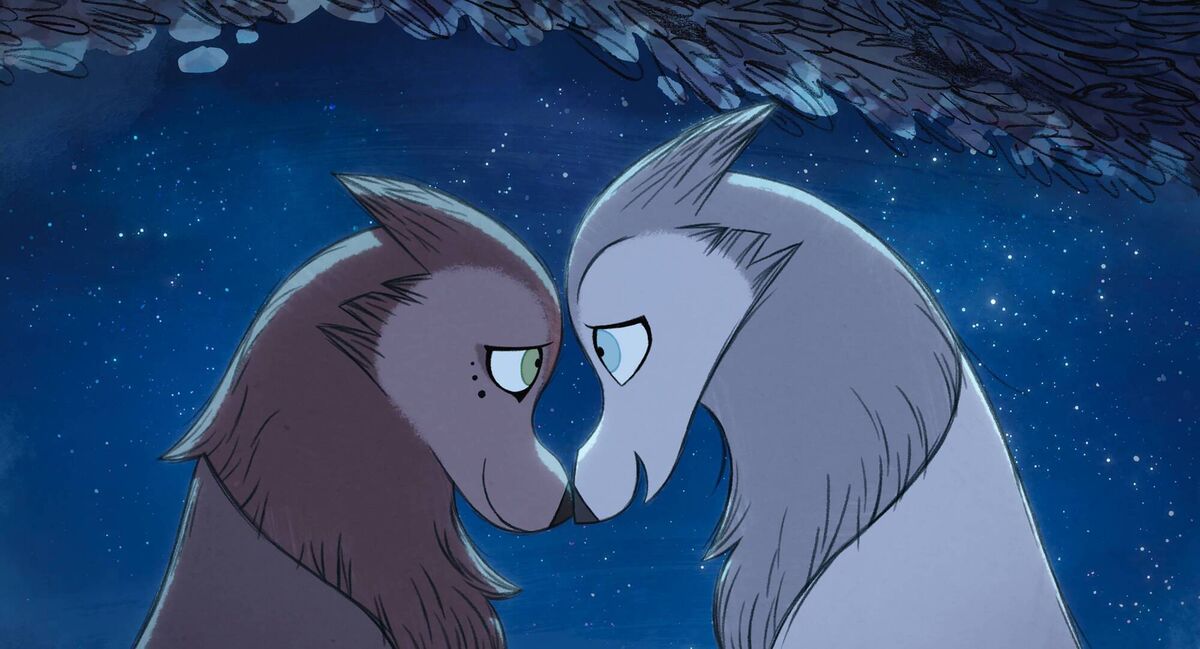
This is not true abroad. American writers often tap into Irish or Celtic faerie tales for inspiration, and our most famous local films have included the likes of and , animated films that reached deeply into the mythic side of Ireland — both Christian and Pagan.
Even in Japan, incredibly popular anime shows and feature not just Cú Chulainn as a major character, but even the obscure figure of Diarmuid Ua Duibhne — both of which, stylistic flairs aside, are depicted faithfully in spirit to the myths.
What does it say about a culture whose myths are more popular with other nations than their own birthplace?
I suspect many Irish people see ourselves as modern and forward-looking, with little interest in old myths. Even our cultural pride often celebrates those who succeed abroad — figures such as Cillian Murphy or Paul Lynch — or the growing interest in the Irish language overseas, even while our gaeltacht communities continue to decline.
I do think we’ve lost part of ourselves by focusing on what our culture means to others, instead of to us.
While others embrace our old stories, over-attachment to them locally can often be seen as naff or tourist pandering, as if our own culture has value only in how we can sell it to others. This, I believe, does a disservice to what our old mythology meant, and could still mean, to us.
Yeah, the leprechaun seems twee, but there was a time when he was trickster and teacher, whose gold was often a trick to dupe greedy fools into humiliating themselves, showing the folly of prioritising wealth over dignity.
If we dislike the current image of our myths, is it not our responsibility to decide which image we want to see ourselves in, rather than what looks better on a T-shirt?
- Conor Rennick is an Irish author whose debut novel, , blends urban fantasy, Irish mythology, and contemporary fiction. His work explores the connection of folklore, identity, and the unseen world through richly imagined storytelling.

CONNECT WITH US TODAY



Be the first to know the latest news and updates