'Only God knows': Don brings a wealth of understanding to his nursing job in Dublin
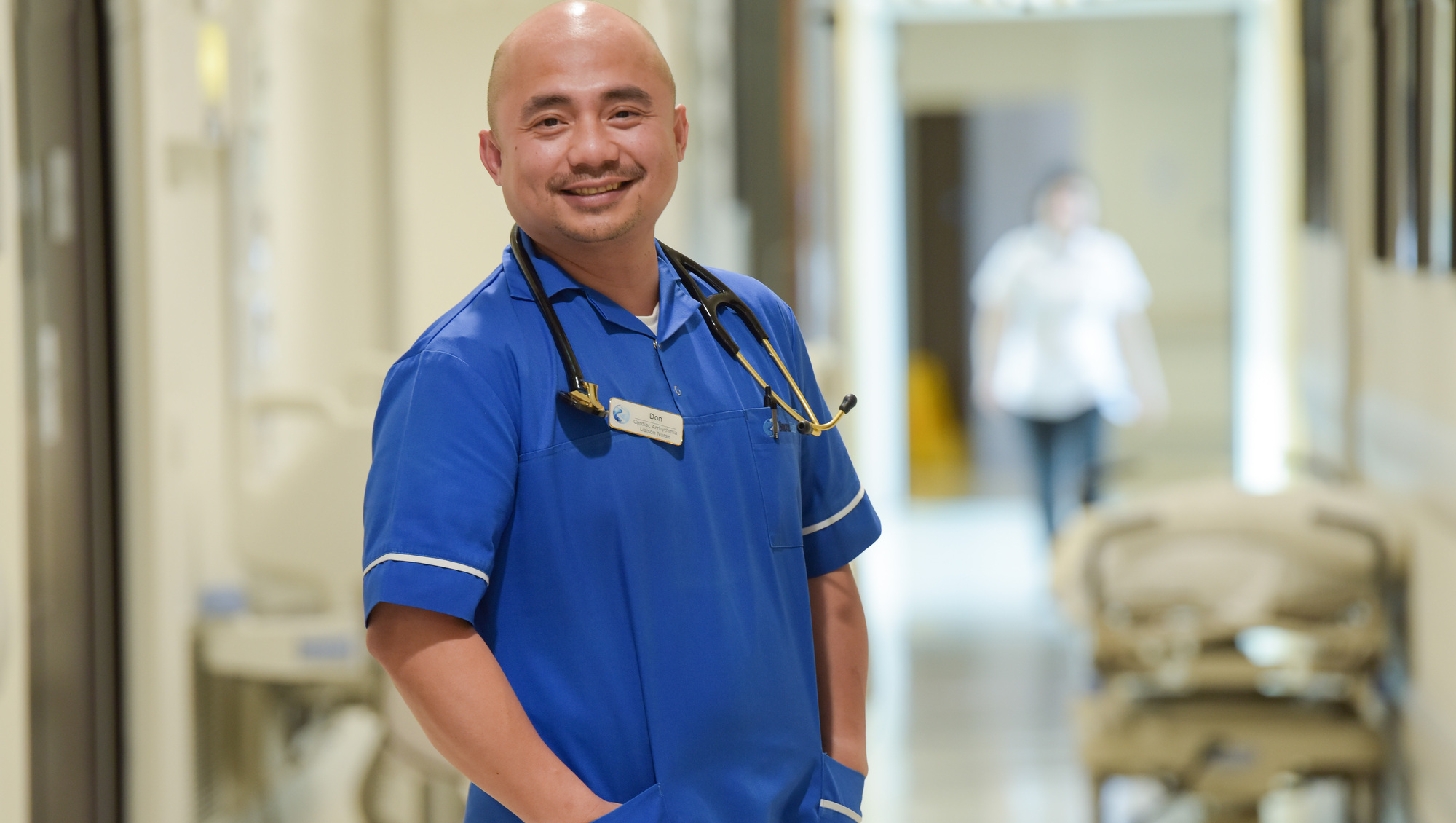
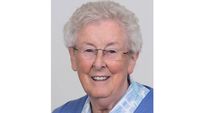
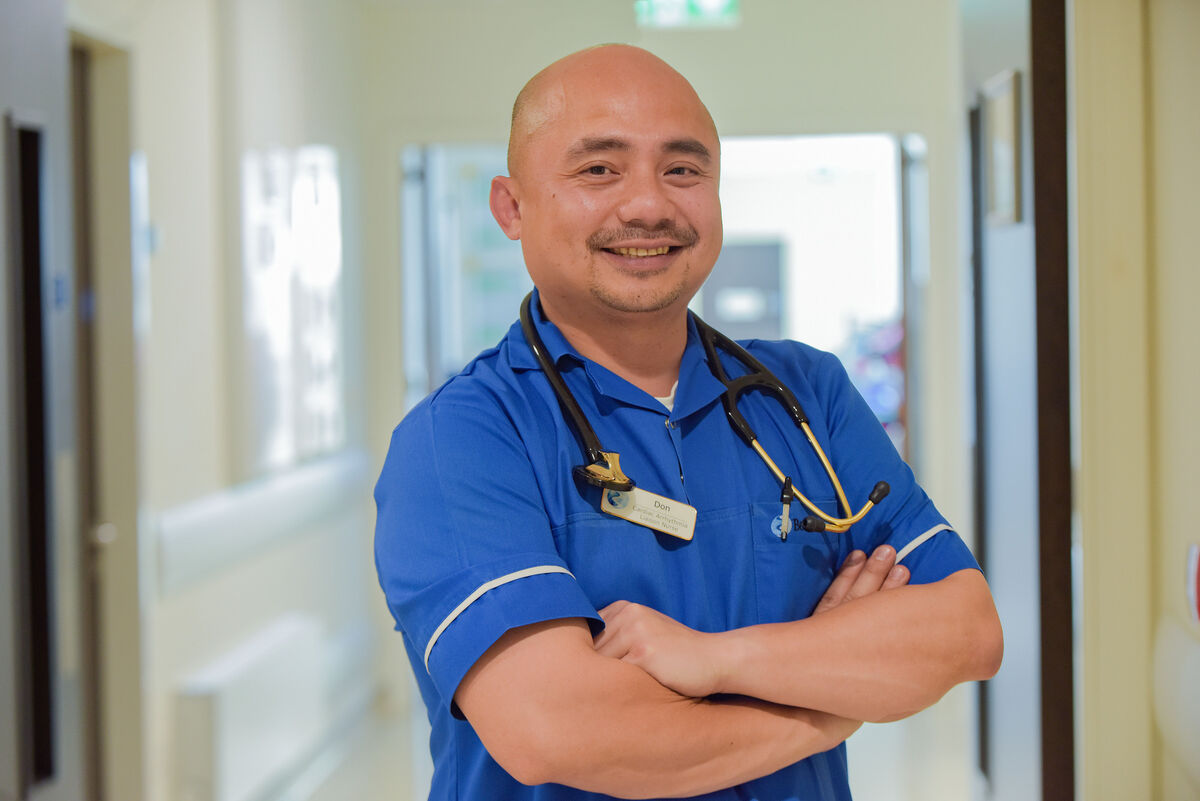
Don Cachin, cardiac nurse at the Beacon Hospital in Sandyford, Dublin, where he works as a cardiac nurse. He told Sarah Horgan of his time working as an emergency nurse in Libya between 2011 and 2014. Picture: Moya Nolan
Dodging gunshots fired by patients in the emergency department wasn’t exactly what Don Cachin had envisioned while studying to become a nurse at university.
Fortunately, the 41-year-old now enjoys a much quieter life as a cardiac arrhythmia nurse at the Beacon Hospital in Sandyford, Dublin, having risked his own life to help save countless others during Libya’s civil wars of the 2010s.
Read More
Mr Cachin is among those being recognised on International Nurses Day today.
The anniversary of Florence Nightingale’s birth honours the contributions of remarkable nurses across the world.
The Filipino worked as an emergency nurse in Tripoli, Libya, between 2011 and 2014. He learned of job opportunities in Ireland after searching online for “best places to work as a nurse”.
“I was working in Libya at the time because this was the only place I could get work as a fresh graduate,” he said.
“I was meant to be working as a theatre nurse, but when I got there they told me the theatre was full and asked if I would work in the emergency department.
“The first civil war was sparked when I was there, but the second civil war was really bad, and I knew I couldn’t stay.”
He recalled being asked to turn his television down during a Skype interview for his first job in Dublin. What interviewers didn’t realise is that the bombs and gunshots they had mistaken for an action movie were actually coming from outside his home.
“It was normal to me,” he recalled. “You could see the window panes vibrating because of the bombs, but they don’t usually hit the houses, so I was never really that afraid.”
It was a dangerous time in Libya, and hospital staff were at serious risk. He said:
“Even though this never frightened me and I always felt safe, my family was very worried.
"I didn’t tell them anything, but they could see what was happening on television.”
Don will never forget what he witnessed in Libya: “There were incidents where two sides would meet at the emergency department and shoot at each other.
“It’s hard to know what to do in these situations, but the place was secured by the military who were very well equipped to deal with these things. When I had my first encounter of this I was terrified, but the locals were used to it and have this saying: ‘Allahu a’lam’ which translates as ‘only God knows’.
“I just came to accept that these things happened. There were things I had to learn along the way.
"If you hear a gunshot, you have to make sure you’re in a safe place. You don’t just immediately run because you don’t know where the bullets are coming from. All you can do is make sure you are secure.
“When you see someone who is in a military uniform and bleeding, your first instinct is to cut through the clothes. On one occasion, I spotted a grenade falling out of a man’s pocket. Luckily, the military deal with these things so I was able to call on them straight away.
“It was also challenging when relatives became aggressive. The patient might have suffered a gunshot wound so severe it is beyond the team’s ability to save them. Relatives can get physically aggressive too, but usually it’s the local doctors and local nurses are able to deal with them.”
Don began work in a Dublin nursing home in 2015 before relocating to the Beacon as a cardiac arrhythmia nurse in 2017:
“I’m really thankful to the Beacon Hospital, as they have been really supportive with regard to my plans and my progress.
"What I love about the Beacon is that they are also supportive emotionally and take good care of their staff.
"I’m fluent in Arabic from my time in Libya, so it’s also nice to be able to converse with patients who speak the language at the Beacon.”

CONNECT WITH US TODAY



Be the first to know the latest news and updates