I went to my first ballet performance as an adult in Dublin and it proved Timothée Chalamet wrong
![The Oscar-nominated actor triggered a bigger conversation about ballet when, in a town hall conversation, he claimed, “no one cares about [ballet and opera] anymore”.](https://www.irishexaminer.com/cms_media/module_img/10117/5058935_7_org_iStock-172303693.jpg "I went to my first ballet performance as an adult in Dublin and it proved Timothée Chalamet wrong")
The Oscar-nominated actor triggered a bigger conversation about ballet when, in a town hall conversation, he claimed, “no one cares about [ballet and opera] anymore”.
Sitting in the dimly lit O’Reilly Theatre in Dublin on a Wednesday evening, my first ballet experience since childhood proves just how wrong Timothée Chalamet got things in his comments about it being a dying art form.
As a former Irish dancer — no wigs or tan for me, it was all non-competitive with the occasional Fleadh eight-hand reel — this look into the professional world of ballet revealed a whole new perspective on the form for me.
The Oscar-nominated actor triggered a bigger conversation about ballet when, in a town hall conversation, he claimed, “no one cares about [ballet and opera] anymore”.
On the contrary, after watching three performances, where dancers laid bare their souls to tell stories of human connection, love, lust and detriment, I left the room feeling more alive and invigorated than I’d been in months.
If there’s something that technology can’t replace, it’s the innately human need for connection and storytelling. And ballet, believed to have originated during the Italian Renaissance in the 15th century, has endured for that very reason.
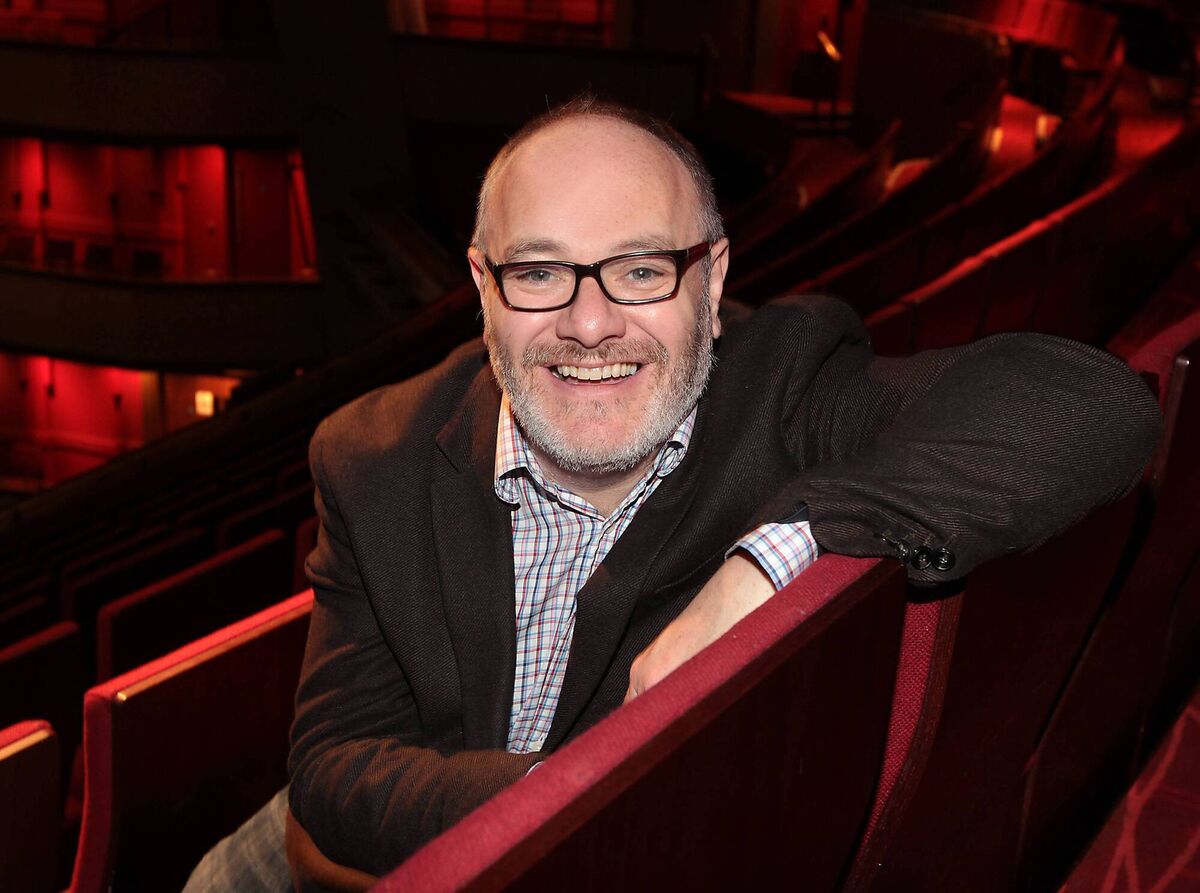
“Ballet historically was an art form for the more affluent,” Stephen Faloon, general manager at the Bord Gáis Energy Theatre, admits. “It was not enjoyed by the working classes. It was a much more elderly crowd.”
Today, he says, audiences look different.
“You wouldn’t see anyone in black tie at the ballet,” he notes.
The form has evolved too, and this season, the Bord Gáis has programmed Les Ballets Trockadero de Monte Carlo and Melissa Hamilton’s Ballet Stars Gala, which offer a twist on the classic performances.
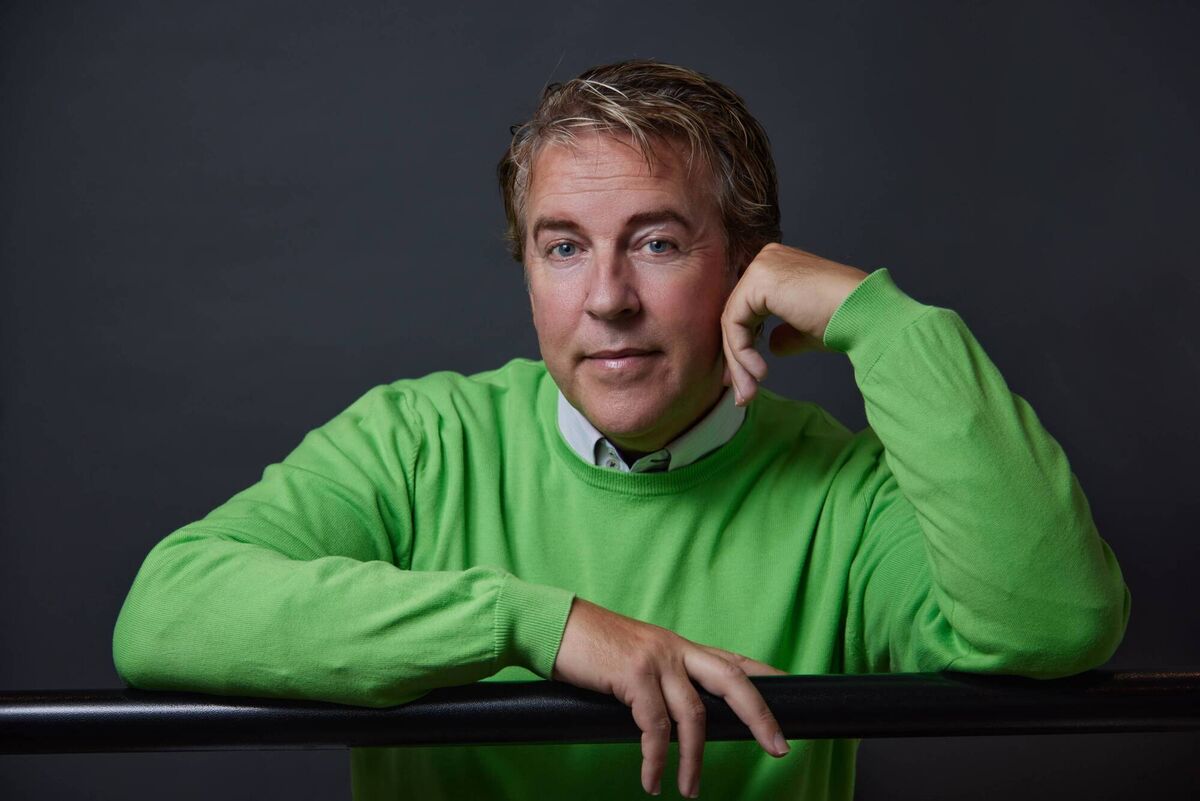
In Cork too, Cork City Ballet has offered modern takes like Ballet Spectacular, but director Alan Foley maintains that there is a continued place for the programming of classical ballet in the city.
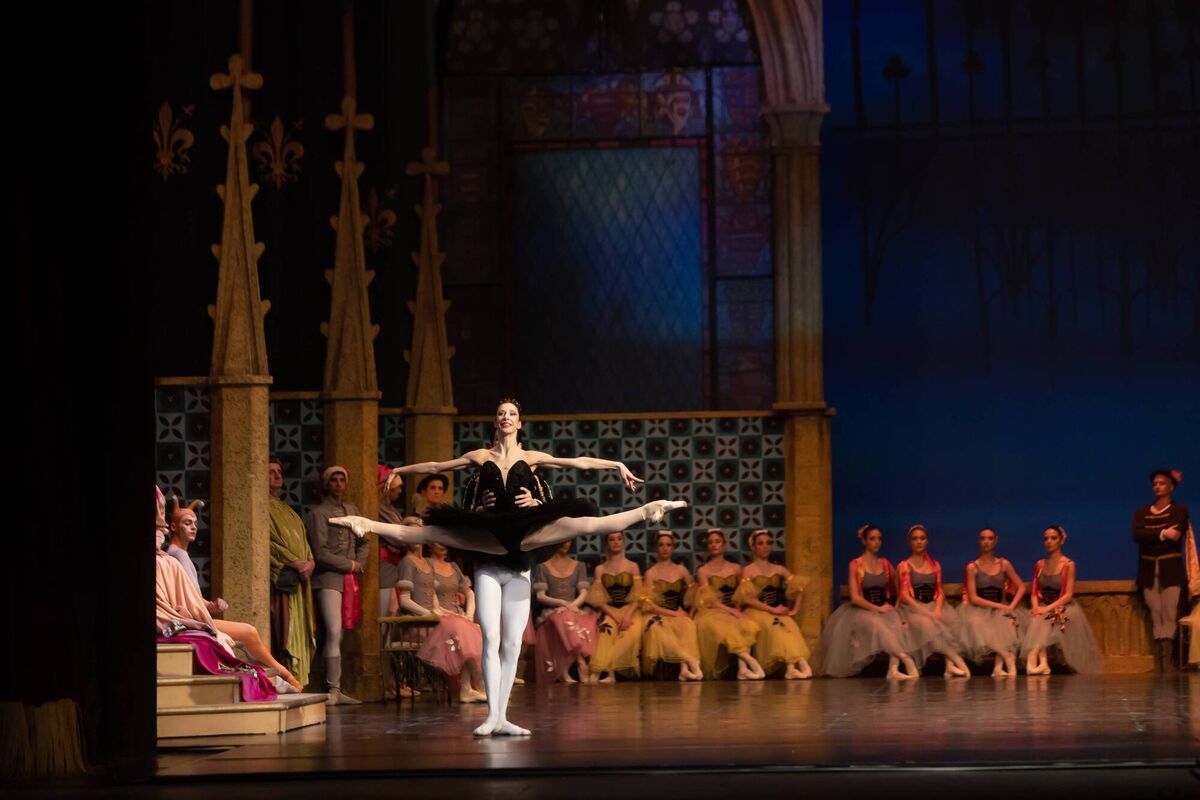
“To be able to go to the theatre and see the wonderment of pure, unadulterated classical ballet at its finest, in the correct setting, like, for example, Swan Lake, with the full set and the full costumes, and the same with Sleeping Beauty and The Nutcracker, they’re just glorious. They’re magnificent,” he says.
“Every year we do the classics, there are tears guaranteed.”
Foley, who has been an integral part of the fabric of ballet in Cork for decades, says the city will celebrate 80 years of ballet in 2027. Cork City Ballet’s annual performances sell out year on year, and that can only mean new generations are buying tickets.
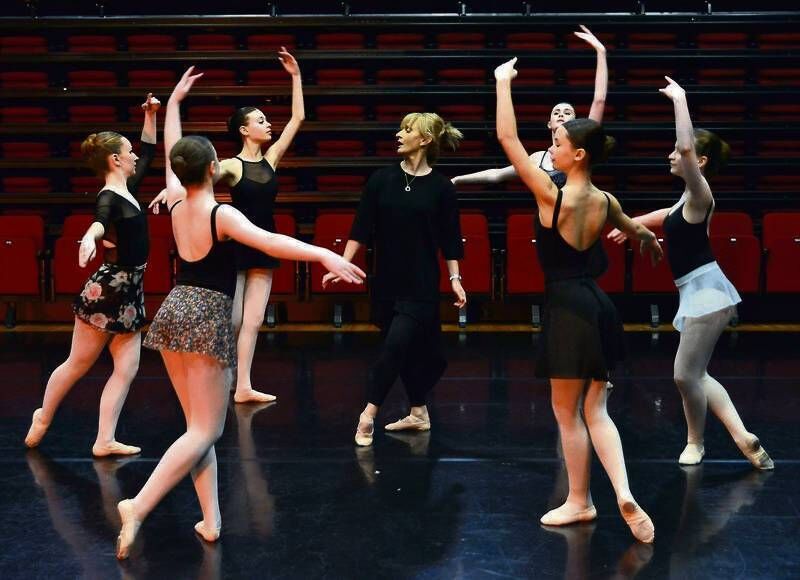
Sinéad Murphy, who runs the Cork School of Dance and Cork Youth Dance Company, says people aren’t just going to see ballet, they want to participate themselves.
“I actually could be a millionaire if I taught adults,” she jokes, explaining that there is a long waiting list for Cork City Ballet’s Wednesday evening classes in the Firkin Crane.
“The inquiries that come in about adult ballet are phenomenal. I have so many past students who are now with me,” she continues, “who would have gone up as far as grade six intermediate, and they come back and they join my senior classes.”
The joy of teaching, of giving dance students the opportunity to achieve in a way far removed from academia, is Murphy’s biggest motivation.
“The impact it has on our lives — it cannot be underestimated,” she emphasises. “I think it’s such a valuable after-school educational activity for children. It’s absolutely brilliant for them in so many ways. I mean, I teach kids who would be dyslexic, dyspraxic, or who would have issues with coordination, and to see their faces light up when they’ve achieved a sequence. It’s phenomenal.”
Beyond the performance aspect, Murphy sees ballet as a force for good. As an outlet for people to excel outside of the traditional sense.
“Physical activity produces endorphins, those feel-good hormones, and they promote relaxation, which enhances the kids’ general sense of well-being.” She adds that “that sense of joy, achievement and uplift. It can’t be matched”.
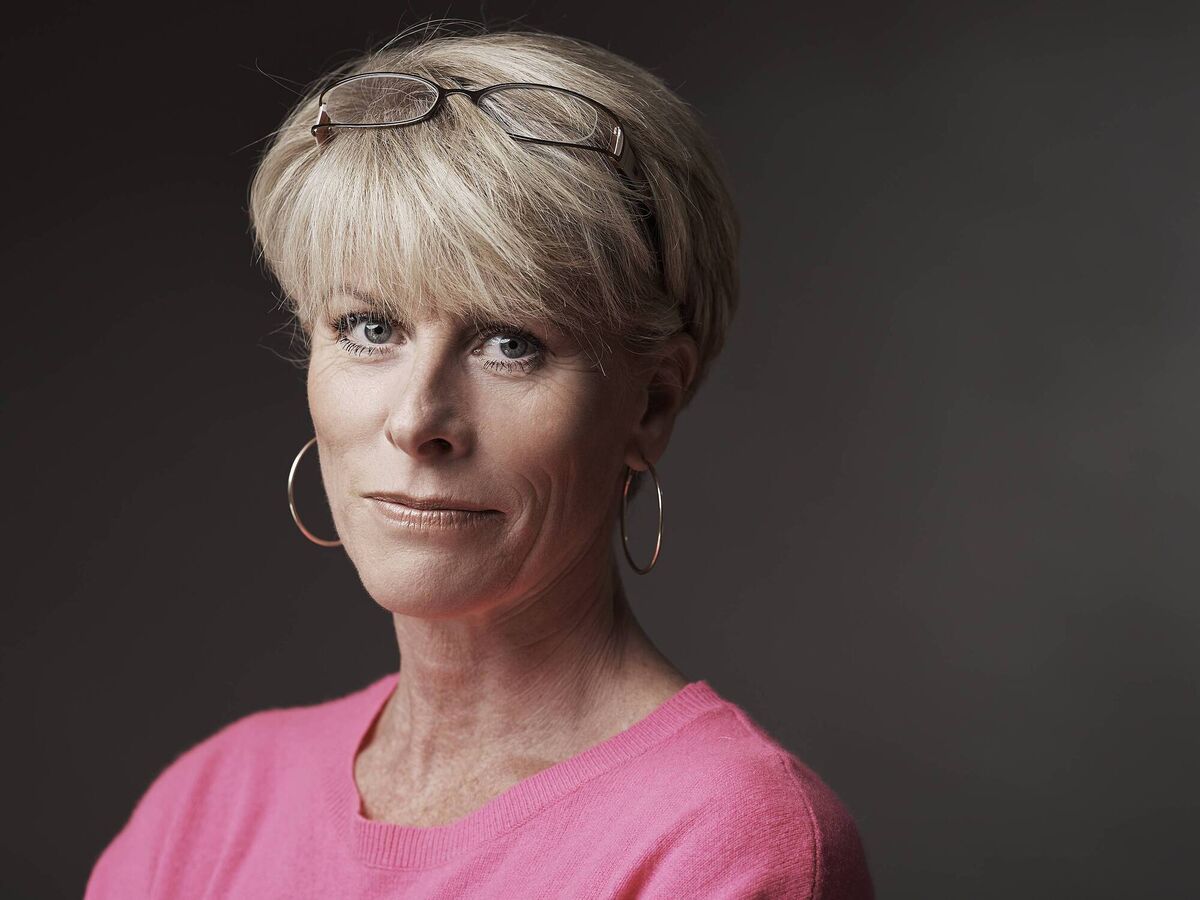
Anne Maher, artistic director of Ballet Ireland, has dedicated her life to the craft through performing, teaching, and directing. Initially beginning her training as a student teacher with Joan Denise Moriarty in Cork at the age of 16, her return to Dublin City Ballet saw the young dancer accepted as a scholarship student at the Académie de Danse in Monaco after her teacher wrote to Princess Grace, the patron of the renowned school.
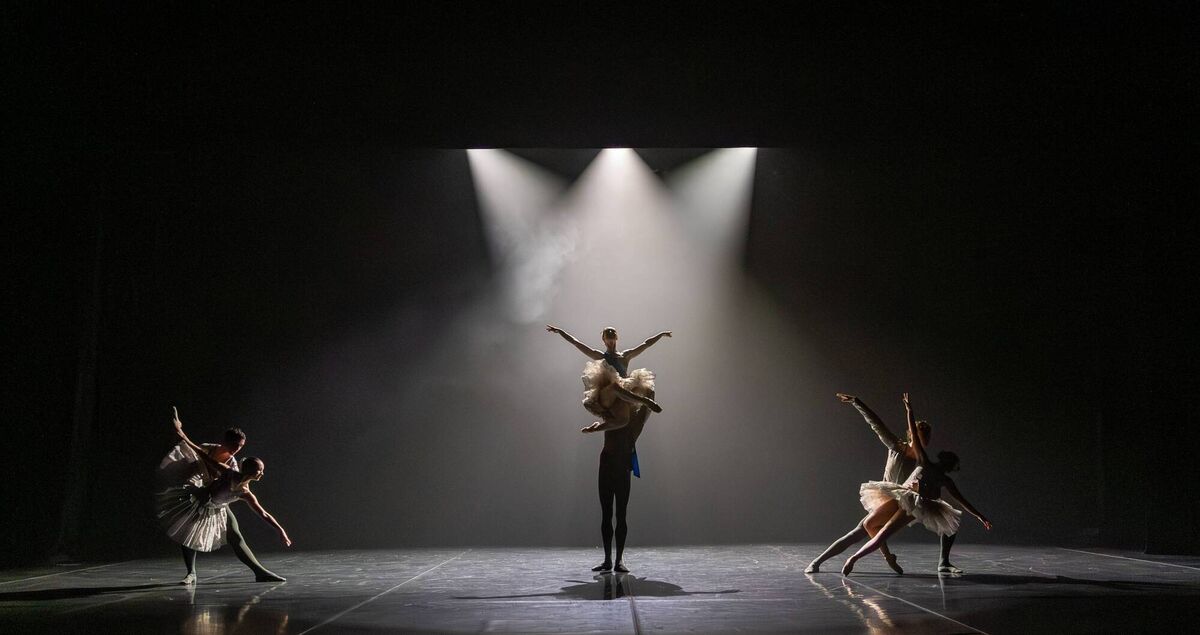
For Maher, the joy of ballet is in “the giving and the sharing and the communal sense of being together”.
For dancers, she says, it’s not that you want everybody to look at you. “It’s that you want to share something with the audience and give to the audience,” she explains. “It’s incredibly cathartic to dance and to have emotion flow through you and out of you. It’s incredibly good for you, emotionally, to allow all of that to release through you and make connections.”
Ballet choreographer Arthur Pita, who has been working on two Shakespearean adaptations for the Bold Moves — Dare to Dream showcase with Ballet Ireland this year, resonates with that sentiment strongly.
“I’m Portuguese, but I was born in South Africa, and as a student, I went to London to study at London Contemporary Dance School.”
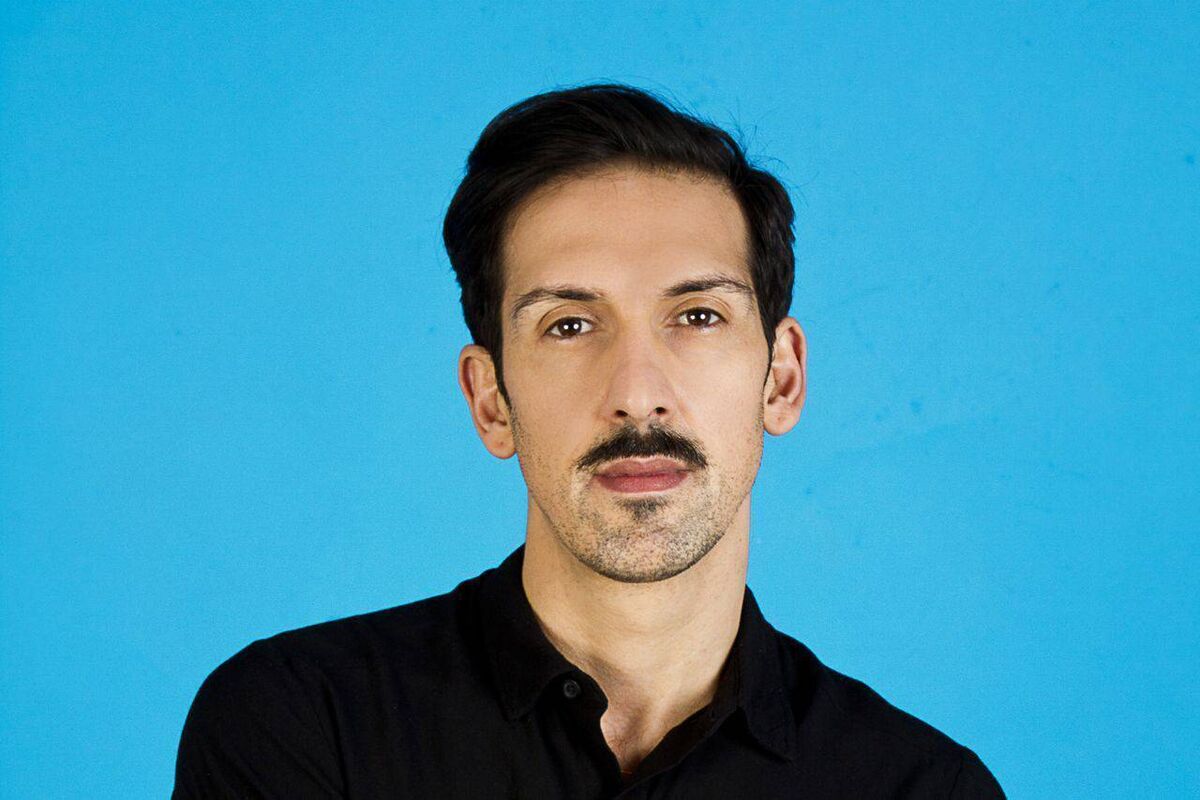
He says that people were quite confused at the time about who he was, where he came from and what he stood for. When the end of his first year in London rolled around, Pita grabbed the opportunity to share a story through performance.
“I took students from all different backgrounds,” he explains. He asked a friend to write a rap to soundtrack the dance, and so was born, as he says, “this political piece”.
“It went down really, really well. People really loved it. I did it to just kind of rectify my political stance, but then actually I understood that the stage is a great place to make a statement.”
Living the motto that “the personal is universal,” the choreographer now adapts existing works to reflect political sentiment — overtly or discreetly, depending on the audience.
“Last year I did The Great Gatsby for the Royal Danish Ballet,” he says. “There are a few ballets that exist for it already, so it’s still accessible and people immediately know what the world of it is. But you can turn it into a ballet and you can have a modern approach towards it.”
The modern approach in question?
“We put an American flag into Gatsby’s grave, which was quite an image. I could feel the anger of the people, and I was angry. We’re all angry about it. It’s not the America we want, that we all love.”
Storm Scene, which has just wrapped up at Dublin’s O’Reilly Theatre, was a reworking of King Lear, using sound, visual costumes and props, set design, and dance to reflect the modern world through an age-old tale.
The storm scene in the text is based on “this idea of this king going mad, Pita says, “all of our world leaders, I feel like they’ve lost it.”
Approaching politics through dance, Pita says, “depends how passionate you feel about it. And how brave you want to be about it.”
We’ll save a seat for Timothée at the next performance.
Read More

CONNECT WITH US TODAY



Be the first to know the latest news and updates