Hygienists could solve Ireland's dental health problems
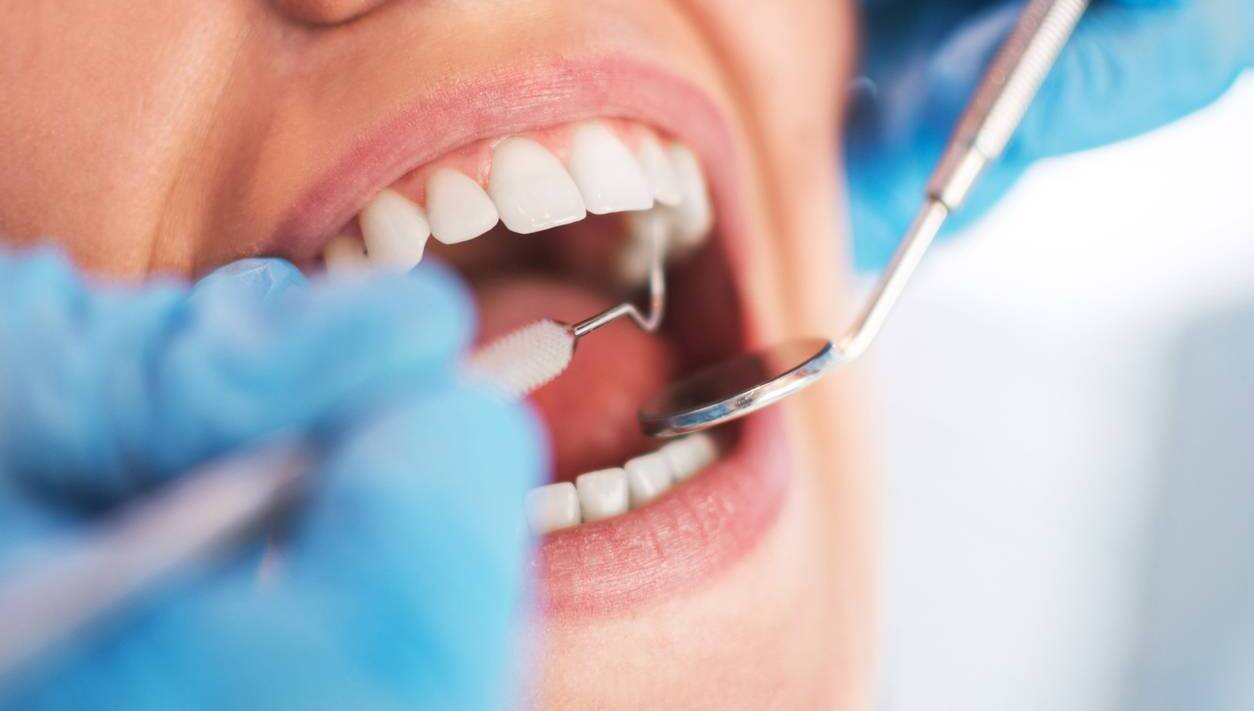
At present, patients cannot see a dental hygienist in the public system without first being examined and referred by a dentist.
Last month the Oireachtas Committee on Health discussed the state of dental services within the public health system. The discussion turned an important focus onto the increasing strains on Ireland’s oral healthcare model.
Workforce shortages, long waiting lists, widening inequalities and an over-reliance on crisis treatment have all contributed to creating a system that intervenes too late, costs too much, and ultimately, leaves people poorly served.
Read More
Yet one of the most practical, evidence-based solutions barely received any attention. To deliver an efficient and effective prevention-first model as set out in the government’s blueprint for dental healthcare, Smile agus Sláinte, reforming the Dental Act 1985 to allow direct access to dental hygienists is essential.
At present, patients cannot see a dental hygienist in the public system without first being examined and referred by a dentist. This structure may have reflected workforce realities four decades ago, but today it has become a bottleneck, depriving people of efficient preventative dental care.
Simply amending the Dental Act to allow dental hygienists to perform the tasks they are already trained to perform could have a transformative effect on the provision of dental care in Ireland.
The consequences of not having direct access in Ireland are visible across the system.
Public dental services are increasingly crisis-driven and extraction-focused.
Children miss school screening appointments, while medical card holders can wait many months for routine care.
Preventable conditions such as dental cavities and periodontal disease go untreated until they require complex, often costly intervention, usually under general anaesthetic.
Rural communities and vulnerable populations are disproportionately affected.
For example, there is extensive research to show that poor oral hygiene in vulnerable people is linked to a higher risk of serious illness, including heart disease, pneumonia, and other respiratory conditions.
An important part of the solution to this is to allow dental hygienists to do the work they have been trained to carry out.
There are 680 dental hygienists in Ireland who are highly trained in preventative care. Their scope of practice includes oral health assessment, periodontal care, preventive treatments and patient education — precisely the services that reduce disease progression and long-term costs.
Allowing patients to access these services directly through dental hygienists would enable earlier intervention at the point where disease is preventable and less expensive to treat.
Direct access would also allow dental hygienists to stabilise oral health while patients await definitive treatment. This is crucial.
When preventive and maintenance care is delayed, conditions deteriorate, increasing demand for hospital-based services and specialist care.
By contrast, routine dental hygiene-led care can keep disease under control and reduce pressure across the system.
Importantly, this reform would allow dentists to work at the more specialised end of their training, focusing their expertise on complex treatment and high-need cases.
It would be a win-win scenario for dentists, dental hygienists, and most importantly for patients.
There is a growing amount of international evidence that highlights the benefits of allowing dental hygienists to operate to the full extent of their scope and training.
Eighteen countries across the EU already have direct access, while a review of 10 years of direct access in the UK conducted in 2024 established that access to care via direct access arrangements improved patient satisfaction and dental care, as did the cost benefits to patients.
In health policy, it is rare to find a workforce reform that simultaneously improves access, maintains safety, enhances patient satisfaction and increases system efficiency.
Direct access meets all four criteria.
Critically, direct access has the potential to address many of the structural failures which were highlighted by the Oireachtas Committee — insufficient capacity, delayed intervention and widening oral health inequalities.
Without reform, the ambition of Smile agus Sláinte, which is a prevention-led system, may not be possible.
Granting direct access to dental hygienists would not solve every challenge in public dentistry.
However, it would represent a meaningful shift toward the prevention-focused, accessible and equitable system that Ireland has already committed to creating. Legislators need to move quickly to make this a reality as soon as possible.
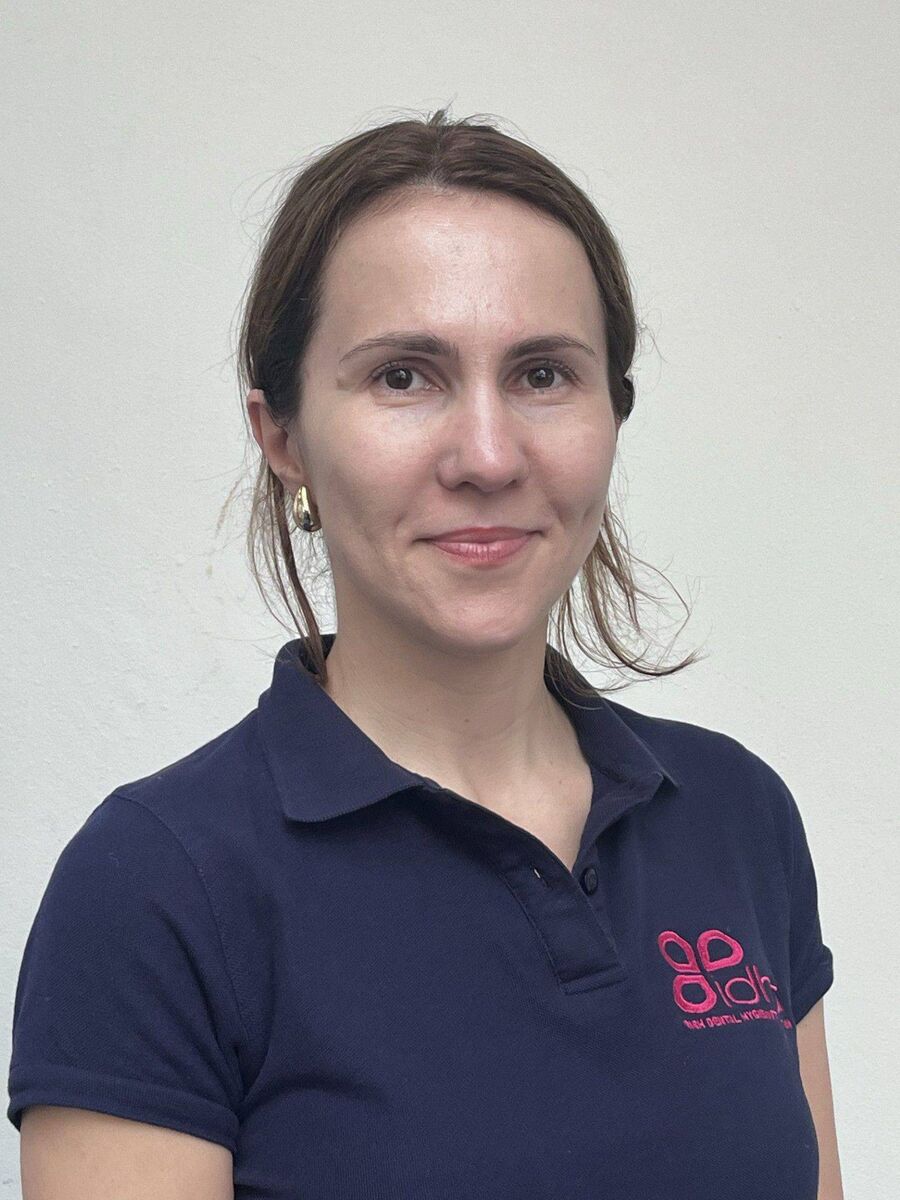
- Sviatlana Anishchuk is president of the Irish Dental Hygienists Association, the representative body of almost 700 dental hygienists around Ireland.


CONNECT WITH US TODAY



Be the first to know the latest news and updates