'All of the lengths' Margaret Loftus went through believed to be catalyst for Fiosrú unit
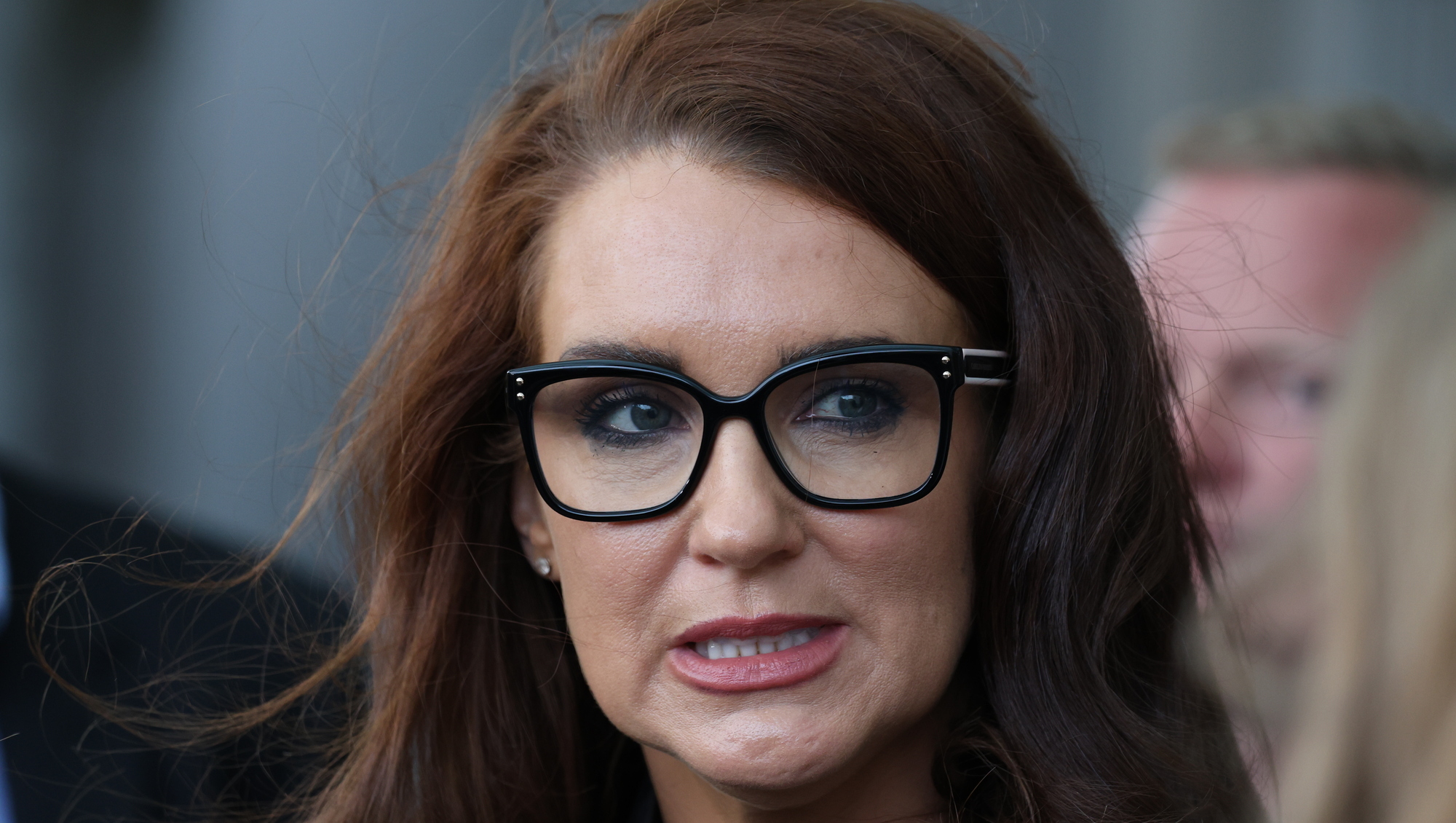
Having fought hard against the system for her case to finally reach the courts, the Mayo woman has since met with the minister for justice and Tánaiste to press hard for change in the area of domestic violence investigation
'All of the lengths' Margaret Loftus went through believed to be catalyst for Fiosrú unit

Margaret Loftus: ‘I made a protected disclosure in 2018 about all of this, and that disclosure still has not been fully investigated. It is not news to me.’ File Picture: Collins Courts

When domestic abuse survivor Mary Louise Lynch heard that a unit has been set up within the policing ombudsman’s office to deal with complaints about the garda handling of domestic and sexual abuse, she had mixed feelings.
On the one hand, she felt it was welcome. On the other, she wished that such a unit was not necessary.

She believes any victim of domestic violence should feel that their case would be investigated by gardaí willingly no matter who the perpetrator is.

However, the case of Garda Trevor Bolger, who was given a suspended sentence in January after pleading guilty last year to assaulting his then wife Margaret Loftus in 2012, highlighted that this is not always the case.

Ms Lynch says other cases where people are seen as upstanding members of the community, respected members of GAA clubs, or those in notable positions, have also been brought to her attention since she founded Survivors Informing Services and Institutions (SiSi).

What frustrates her is hearing “even the simple thing that ‘he is an upstanding member of the community’ and is in the local GAA club or whatever” being used as mitigation to help an abuser in the courts.

She said she will never forget seeing a video of a woman being “truncheoned out of her car by the unit that her ex was involved in”.

She added: “It was absolutely horrific.

“Trevor Bolger’s case is an example of all of the lengths Margaret Loftus had to go through for a three-month suspended sentence. While, yes, she has been vindicated by that, and has been able to do incredible work, how many other women are out there like that? There are so many cases where it was widely known that there were problems and there wasn’t an appropriate outcome.”

To just enforce an order

She said SiSi is not a very big organisation, but it has handled “some of these types of cases where somebody was still living with a guard, who was an active serving member of the force, and had an order in place against them”.

“All the adversity they had to go through in order to enforce that order, where there were breaches, and they might have been living in a rural area, and it’s his colleagues who arrive in [to deal with the breach].”

Garda Commissioner Justin Kelly revealed in a report to the Policing and Community Safety Authority for February that there were 17 gardaí on suspension due to complaints of domestic violence and coercive control.

A further 10 were on suspension on foot of allegations of sexual assault or sexual misconduct.

Ms Loftus’s case is believed to have been the catalyst for the establishment of the unit within Fiosrú.

Having fought hard against the system for her case to finally reach the courts, the Mayo woman has since met with the minister for justice, Jim O’Callaghan, and spoken to Tánaiste Simon Harris to press hard for change in the area of domestic violence investigation — not just in cases where the offender is a member of the gardaí.

Since her case went public, she has been contacted by several victims across the country who felt their cases were handled negatively by An Garda Síochána.

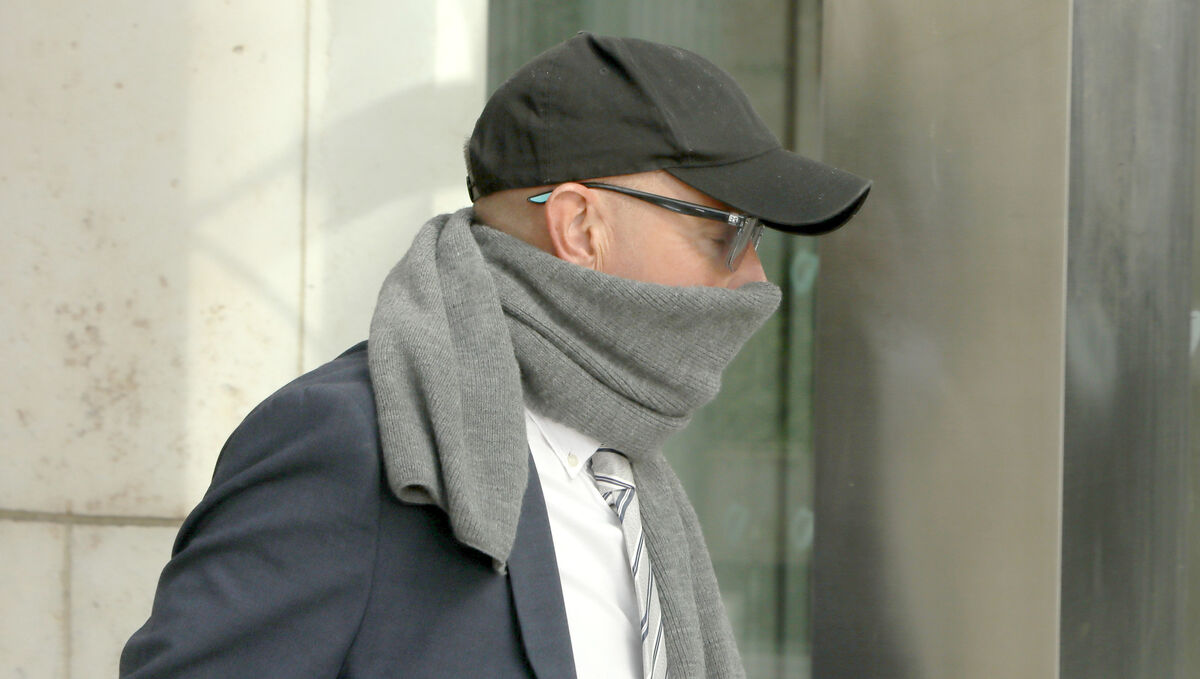
Trevor Bolger pleaded guilty at Dublin Circuit Criminal Court to assaulting Margaret Loftus on October 25, 2012. File Picture: Collins Courts

Last December, the Policing and Community Safety Authority published its assessment of policing for the first half of 2025.

The assessment noted that, while the mandatory call-back rate to people who have reported domestic abuse stands at 77.2%, “concerns arise due to inconsistencies across divisions, with some demonstrating rates below the target”.

The assessment noted that 44% of women who contacted gardaí for support about domestic abuse found officers unhelpful — a finding mirrored in Women’s Aid research.

Ms Loftus says: “I had one woman contact me who had a barring order in place, and he was stalking her.

“She had voice notes of him threatening to kill her while the order was in place, and the gardaí did nothing.

“I told her to go to Fiosrú, and she got a letter back to say her complaint had made the threshold and they are now fully investigating the circumstances of her complaint.

“I made a protected disclosure in 2018 about all of this, and that disclosure still has not been fully investigated.

“It is not news to me, and I am so glad to see that people are seeing it now.”

Protected disclosure

One of the aspects of her case which has frustrated her is in relation to the disclosure.

She says: “A full copy of that disclosure got handed over to the defence in the criminal case before it was even investigated, so they can never now impartially investigate all the complaints I made about domestic violence in the guards. I brought this up with the minister for justice and the Tánaiste.

“I know my case is the first time there was a protected disclosure and a criminal case running in tandem.

“That is no excuse for me of why a protected disclosure got handed over to the defence and to the organisation I made it about before it was even investigated.

I think people are beginning to open their eyes

While the Fiorsú special services unit was established last year, it was not publicised until the Irish Examiner asked the ombudsman’s office about the development.

It comes as a family law reporting project in the family courts is getting underway, as the idea of seeking to address the in-camera rule is gaining traction amid concern that it helps to protect domestic violence abusers.

A campaign to reform the family law sector, including the in-camera rule, is underway.

A formal launch of the campaign is expected to take place next month.

Mary Louise Lynch and Margaret Loftus are supporters of the campaign being led by Lisa Ann Wilkinson and Síle Ní Dhubhghaill.

Having worked for many years as a barrister, Labour leader Ivana Bacik also has a particular interest in the area.

Ms Bacik says she is horrified to hear of cases of domestic violence not being taken seriously.

She says: “I was a practicing barrister for years.

“These are the issues I remember from 15 or 20 years ago in the family courts.

“It is shocking to hear that women are still being treated like this. We are still hearing the same issues emerge around the treatment of women and victims of domestic violence before the courts and in the legal process.”

Investigation was warranted

One woman whose case has been deemed admissible by Fiorsú told the Irish Examiner last week of the relief she felt when she received confirmation from the ombudsman’s office that an investigation into her complaint relating to the garda handling of her domestic violence case was warranted.

She feels that a domestic violence order she had in place has not been able to protect her — and neither were gardaí.

She says she is very grateful to Fiosrú for taking on her case.

Ms Lynch is hoping now that the unit set up to handle cases like this woman’s will have a positive impact for victims.

She says: “What I am wondering now is: Is it a question of a regular garda response off to the divisional protective services unit? That process can take years. And then you don’t get a satisfactory response.

“Is it then a complaint to Fiosrú? Is it a re-investigation? Is it a fresh crack at it?

“I have a lot of questions about how it is going to work for domestic violence victims in practice.”

She also questions what kind of reporting the unit is going to do.

“How is it going to change the public conversation? How is it going to help change cultural responses to domestic violence and attitudes to women who come forward and report? There are loads of questions around how it is going to work.”

A spokeswoman for An Garda Síochána said the organisation does not comment on “remarks made by third parties”. She said: “In addition, An Garda Síochána cannot comment on or discuss details of matters reported to Fiosrú.”

She added that “details on the protocols around reporting incidents of domestic abuse to An Garda Síochána are available on our website”.

- If you are affected by any of the issues raised in this article, please click here for a list of support services.

x

More in this section

Revoiced

Newsletter

Sign up to the best reads of the week from irishexaminer.com selected just for you.

Cookie Policy Privacy Policy Brand Safety FAQ Help Contact Us Terms and Conditions

© Examiner Echo Group Limited