Only time will tell if SNA retention is permanent
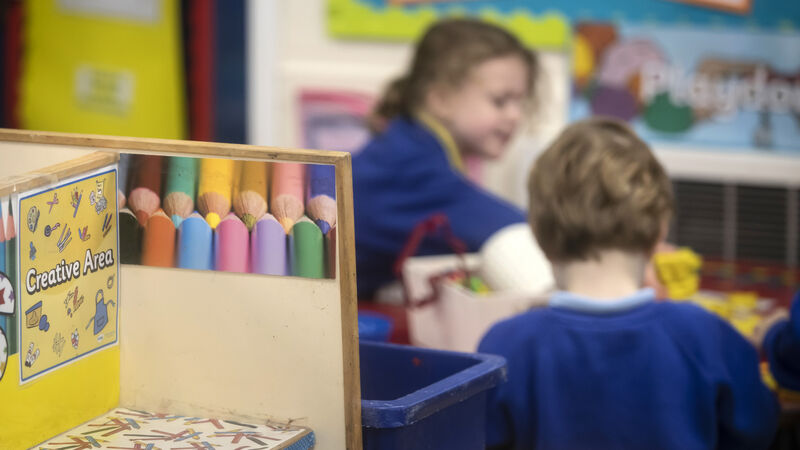
Approximately 250,000 students who have additional needs are educated in mainstream schools, and they do so safely with support from SNAs, with or without the formal recognition of a circular defining their roles, issued more than a decade ago. File picture: Danny Lawson/PA
"School would be harder without SNAs...Students wouldn’t learn without them...I couldn’t manage without the SNA because she calms us down.”
The role of special needs assistants (SNAs) in modern classrooms, as seen by the students they support, is well documented.
In a report published by education minister Hildegarde Naughton and special education minister Michael Moynihan last December, children described SNAs as “trusted and consistent” sources of emotional support, comfort, and safety.
They told researchers that SNAs often act as advocates on their behalf.
They spoke about the vast amount of regulation and communication duties SNAs are tasked with. These are duties that are not officially recognised but have become more pressing as classroom needs have evolved and become more complex.
Approximately 250,000 students who have additional needs are educated in mainstream schools, and they do so safely with support from SNAs, with or without the formal recognition of a circular defining their roles, issued more than a decade ago.
“[Without SNA support] I would be behind in class,” one child said.
“[Without SNA support] I would be overwhelmed. [Without SNA support], it would be harder for children with disabilities. [Without SNA support there would be] no one to help the teachers or the students.”
It is little surprise that plans to cut SNA posts from this September sparked outcry amongst parents, schools, and the opposition parties.
In fact, many will now be questioning how an additional €19m could be found so quickly to address something that early last week was being dismissed, because from September, we would see the "single largest increase in SNAs ever".
It took a little over a week, but thousands of emails were sent to TDs across the country. Almost two dozen protests are planned for this week.
By the time half term had ended, the message from the Government had changed dramatically, from talk of a need for “rebalancing” and “considerable expansion”, to a statement late on Monday evening acknowledging there would be no reductions for the next school year.
As news of the cuts to schools' posts began to break last week, the approach was to argue that SNA allocations can change due to student numbers or care needs changing in a school. It appeared the majority of schools that were to suffer cuts were mainstream primary schools. More schools were also expected to learn of cuts in the coming weeks.
But the 1,717 new posts from September will mostly be needed to open 4,000 new special educational placements; therefore, little increases could be expected at mainstream, without the reviews cutting posts.
Both ministers and the Department of Education had refused to say just how many posts would be gained by schools, which would have been an obvious way to help head off some of the criticism levelled their way.
There was a suggestion that affected schools may have once needed the SNA post, but the relevant student had since moved on to post-primary, and somehow the school had been 'hanging on' to the position quietly while others were more in need.
However, as highlighted by SNA Samantha O'Flanagan, SNAs are hired entirely based on primary care needs. This includes toileting, feeding, and medical needs. Once hired, the 2014 circular states that they can then assist with broader needs.
This means that SNAs are being allocated to schools on a narrow basis of care. When reviews happen, posts are cut as there may be fewer primary needs on paper. However, it doesn't negate the fact that the children in those classrooms rely heavily on SNA support to access their education.
Neither does the well-documented need for more special educational placements. Allocations of SNA posts also have wide implications for the whole education system, with teachers reporting the difficulties with teaching a class alongside balancing students' regulation needs without the support of an SNA.
On Tuesday, Ms Naughton pledged "to get this right”
“I’ve heard the anxiety loud and clear," she said.
The SNA redeployment scheme, the SNA workforce development plan, and changes to a 2014 circular outlining the role of a SNA will be advanced before any further decisions are taken.
A Government statement said that "the priority will be ensuring that the child-centred approach to the provision of special education is retained and enhanced in these policy developments".
It remains to be seen if the U-turn will merely act as a "sticking plaster" as described by some campaigners. By finding an extra €19m the Government has shown it can put its money where its mouth is in the face of sustained public outcry. Now is the time for it to do so when it comes to a truly inclusive education system.
- Jess Casey is Education Correspondent.

CONNECT WITH US TODAY



Be the first to know the latest news and updates