With N-word incident, Bafta have shot themselves in the foot
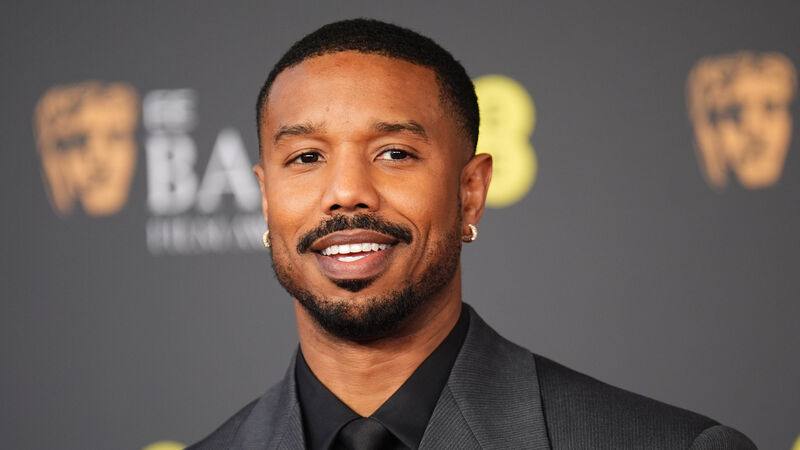
Michael B Jordan and Delroy Lindo, were presenting a prize.
Bafta’s error was big on Sunday night - but it was in the editing, or the lack of. No one could have stopped John Davidson - who has Tourette syndrome - yelling out the N-word while two black actors, Michael B Jordan and Delroy Lindo, were presenting a prize. But given that they did use the two-hour time delay to judiciously remove Akinola Davies Jr’s shout of “Free Palestine!” and Alan Cumming’s comparison of the themes of Zootropolis 2 (“Lies, corrupt leaders, poisoning and persecution of a race”) to contemporary America, it seems a perverse decision not to remove an appalling slur, yelled involuntarily, from the TV broadcast.
Not least because it inevitably overshadows what should have been the big story: #BaftasSoWhite can (probably) be put to bed. As a reminder: the hashtag trended most critically in 2020, when no nominees of colour were up for any acting awards, leading to a massive overhaul of Bafta’s rules, regulations and membership demographic. Few organisations have done such radical work – the Oscars and certainly the Globes stagger way behind – yet few are still so perennially lambasted for choices that their members persist in sticking to.
Bafta’s backstage interventions generally only work as far as the longlist stage, when they can ensure gender parity in the director category; when it gets to the shortlists they can only look on as their members opt once again for a cluster of straight white men. (Again, not necessarily their fault either, for the voters are merely the final gatekeepers for whatever the film industry has released that year.)
Still, wins for Wunmi Mosaku as supporting actress and Ryan Coogler for original screenplay, both for Sinners, and My Father’s Shadow as outstanding British debut do suggest change is in the air. Even more strikingly, the victory for little-seen and barely released drama Boong as best children’s and family film (over the likes of Arco, Lilo & Stitch and Zootropolis 2) is a big win for the rule forbidding voters to vote in a category unless they have actually seen all the nominees.
Yet surely the most triumphant vindication of such a measure is Robert Aramayo’s magnificent snatching of the leading actor trophy from the clutches of seven-time nominee Leonardo DiCaprio and hot favourite Timothée Chalamet. Forcing people to see a movie they wouldn’t otherwise doesn’t sound great, but it obviously did the trick for I Swear (the film also took best casting). That those members of the public who also did so were also sufficiently moved to name Aramayo rising star is the best grassroots endorsement a movie could hope for.
What Bafta now forfeits in Hollywood leverage it more than gains in big championing swings and genuine credibility. And perhaps it can recover from shooting itself in the foot by leaving Davidson’s slur in the broadcast. Aramayo’s speech urged understanding and compassion in the face of his condition, no matter how awkward the results. Jordan and Lindo, after all, have been smooth and graceful about the incident. Maybe this can be the last time anyone ever mentions that Denzel Washington has never had a Bafta nomination.

CONNECT WITH US TODAY



Be the first to know the latest news and updates