Jane-Ann McKenna: In Sudan, 5m are on the brink of starvation — we have no time to lose
Ireland must act now to end structural inequality
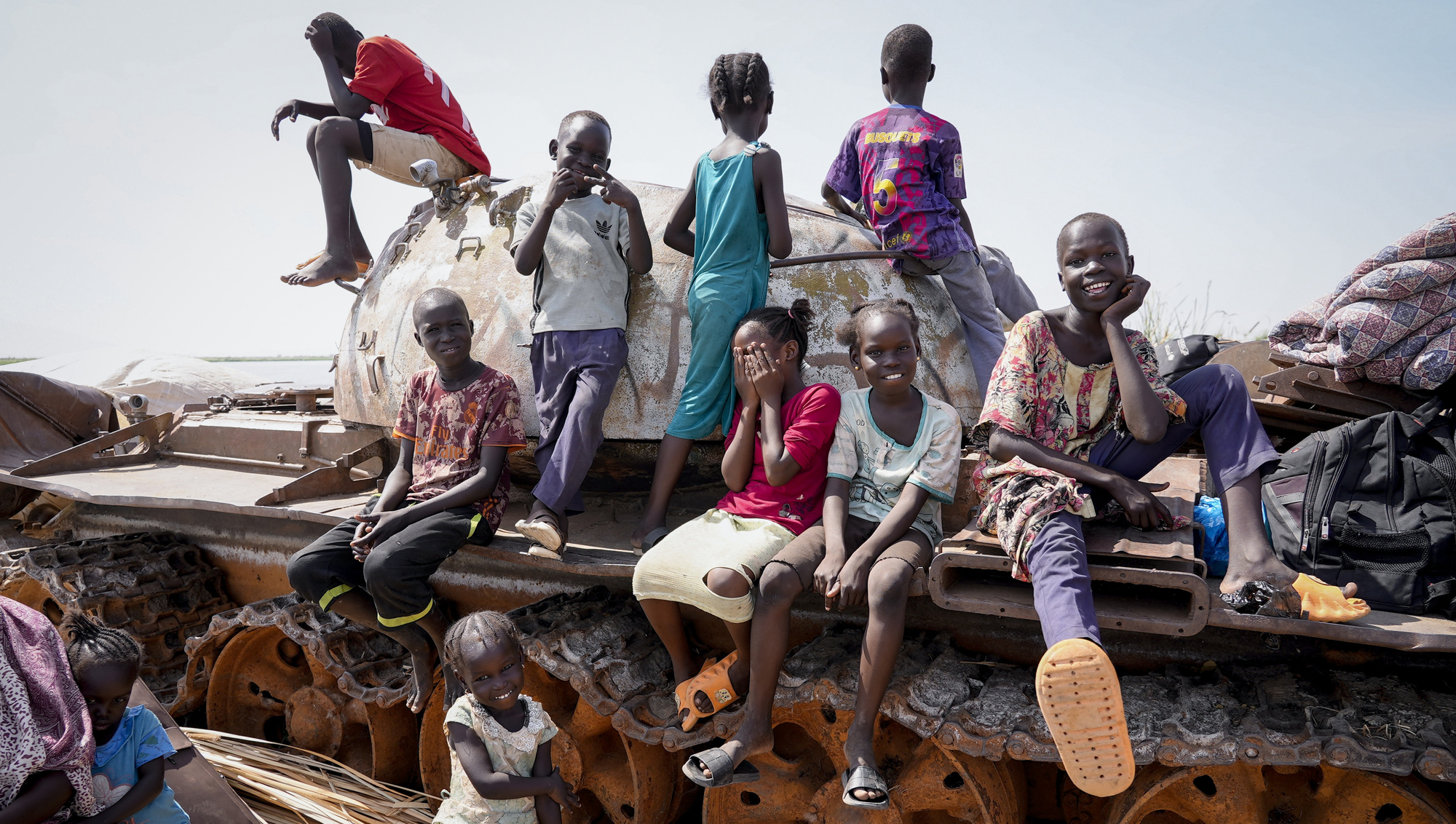
According to the UN, communities in more than 40 hunger hotspots are at high risk of slipping into famine in the coming month, including in war-torn parts of Aj Jazirah, Darfur, Khartoum and Kordofan.File picture: Sam Mednick/AP Photo

According to the UN, communities in more than 40 hunger hotspots are at high risk of slipping into famine in the coming month, including in war-torn parts of Aj Jazirah, Darfur, Khartoum and Kordofan.File picture: Sam Mednick/AP Photo

Today in Sudan, some 25m people are in need of humanitarian assistance and protection. At least 5m people are also teetering on the brink of starvation. 

According to the UN, communities in more than 40 hunger hotspots are at high risk of slipping into famine in the coming month, including in war-torn parts of Aj Jazirah, Darfur, Khartoum and Kordofan.

More funding is needed, and fast, with the Sudan humanitarian appeal just 12% funded. Unfortunately, conflicts in Sudan, Gaza, and Ukraine are showing no signs of slowing down, bringing misery and hunger to millions.

If we cast our eyes further south, the impact of El Niño on Southern Africa and other climate shocks are also having a devastating effect on the lives of millions of people in Malawi, Zambia, Mozambique, and Zimbabwe. 

Its effects, including drought, erratic rainfall, flooding, and high temperatures, is leaving normally fertile soils arid and interrupting the production of staples such as maize.

Millions of people who depend on rain-fed agriculture are feeling the severe impacts, through loss of livelihoods, mass deaths of their livestock as well as failed harvests. 

Even before the drought, the levels of food insecurity and humanitarian need were high, driven by socio-economic challenges, high food prices, and the compounding impacts of the climate crisis. 

The window of opportunity to avert a large-scale humanitarian crisis is rapidly closing.

Nearly 300m people around the world will need humanitarian assistance and protection this year due to conflicts, climate emergencies, and other drivers. 

It is a shocking statistic. 

But supporting the humanitarian crises in Sudan and Southern Africa cannot work in isolation. 

We need to tackle the long-term root causes of why humanitarian emergencies occur in the first place and recognise the interconnectedness of
climate change, poverty, and exclusion as drivers of conflict, displacement, and food insecurity.

As we approach the end of this Government and the last five years for achieving sustainable development goals, now is a critical time for Ireland to stand in solidarity with the global south and fulfil its commitment to supporting those who are furthest behind.

The window of opportunity to avert a large-scale humanitarian crisis is rapidly closing. File picture: Sam Mednick/AP Photo

That is why Dóchas has a simple message for the Government in its pre-budget submission: There is no time to lose.

Ireland’s solidarity with those in the global south, and its leadership on upholding humanitarian principles, supporting human rights, and ending hunger is widely recognised. 

Realising our target of spending 0.7% of our gross national income on Official Development Assistance (ODA) by 2030 would provide the resources needed to match Ireland’s policy on reaching the furthest behind first. 

Despite welcome increases to Ireland’s ODA budget over recent years, the percentage of ODA is not keeping pace with needs or commitments.

Budget 2025 will be the last opportunity for this Government, and this Oireachtas, to set a course to realise Ireland’s international commitments for a better, more peaceful, and sustainable world.

We are calling on the Government to commit to taking ambitious, accelerated, and transformative action to address food insecurity, tackle the climate emergency, and end structural inequality. 

A more agile approach is needed. 

The Government should ensure that Ireland’s humanitarian and development assistance is committed to locally-led initiatives that enable local communities to build long-term resilience. 

Civil society and local actors, including women’s rights organisations, traditional and community leaders, local authorities, national and local civil society organisations offer greater, and more direct, access to affected people, contributing to more effective, efficient, and sustainable action.

Efforts must be made to ensure that they can operate in an environment where they can succeed. 

Without deliberate global policies to accelerate progress, at least 492m people will be left in extreme poverty by 2030.

In a letter last week to the G7, parliamentarians from 20 countries across Africa called for debt forgiveness and restructuring, reform of the financial architecture burdening African nations, and for them to deliver on their climate and finance recommendations.

We too must play our part.

Budget 2025 will be the last chance for this Government and Oireachtas to further strengthen Ireland’s standing as a global leader and support the unrelenting work of Irish civil society, political actors, and Irish diplomats in seeking a better, more peaceful and sustainable world. 

We must demonstrate that same level of leadership in fulfilling our climate and ODA commitments. 

As well as scaling up our financial support, Ireland needs to play a progressive and positive role in reforming global systems around debt, tax, and trade to ensure we can make further inroads to achieving the sustainable development goals.

  • Jane-Ann McKenna is the CEO of Dóchas

x

CLIMATE & SUSTAINABILITY HUB

More in this section

Revoiced

Newsletter

Had a busy week? Sign up for some of the best reads from the week gone by. Selected just for you.

Cookie Policy Privacy Policy Brand Safety FAQ Help Contact Us Terms and Conditions

© Examiner Echo Group Limited