Making Cork a more liveable and sustainable city for all
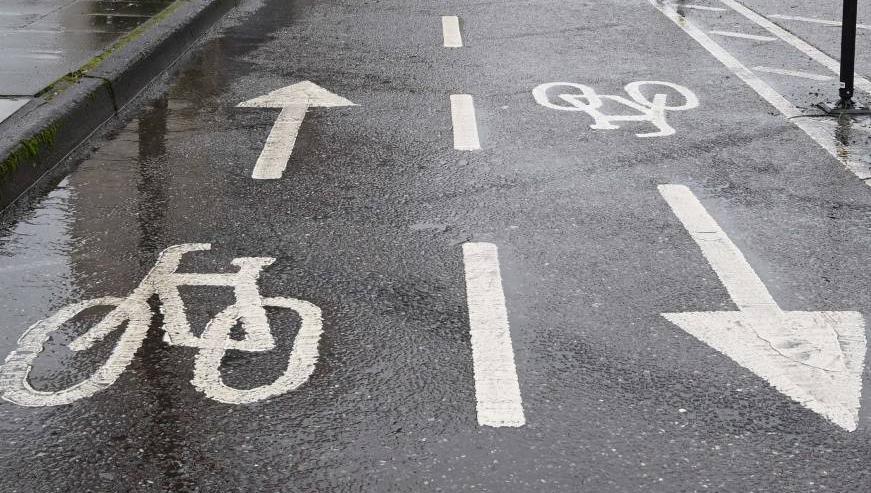
If we want to inspire people to embrace changes to combat climate change, we need to tell a story of opportunity and improvement, writes Paul McGuirk
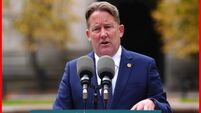
Who wouldn’t choose to live in a city with good public transport, excellent cycling and walking facilities, and better air quality, asks Paul McGuirk.	Picture: Denis Minihane

Who wouldn’t choose to live in a city with good public transport, excellent cycling and walking facilities, and better air quality, asks Paul McGuirk. Picture: Denis Minihane

MUCH of the narrative and discussion around climate change is focused on hardship and sacrifice and that is no surprise given the scale of the challenge we face.

However, if we want to inspire people we also need to tell a story of opportunity and improvement in our lives, our health, and our well-being. There is a need to include in the conversation the benefits for communities and individuals of effective climate action. Solutions to the climate emergency can make more liveable, healthier, and better cities for everyone.

Who wouldn’t choose to live in a city with good public transport, excellent cycling and walking facilities, and better air quality? Who wouldn’t like more biodiversity, more trees, more public green space?

Community action is at the heart of how we make Cork a more liveable and sustainable city. Cork city is fortunate to have a strong network of communities and neighbourhoods.

The best environmental and social ideas inspiring change begin in the heart of communities.

For example, last weekend one such local environmental initiative, Green Spaces for Health, won a national award for its innovation. This project has created a necklace of community gardens and greening projects around the city, supported by Cork Healthy Cities and Cork City Council.

Last year, ten communities, from Ballincollig to Mayfield, were supported by Cork City Council to produce local community climate action plans, facilitated by Cork Environmental Forum and the Public Participation Network. Lots of practical actions were identified during this process.

To further build on this, Cork City Council last week launched its Community Climate Action Fund, funded by the Department of Environment, Climate and Communications. This is making €840,000 available to community organisations across the city to support them to take collective action on climate change. Groups are being invited to design projects around one, or ideally more of the following themes:

  • Home and energy
  • Travel
  • Food and waste
  • Shopping and recycling
  • Local environmental management and biodiversity.

These community-led actions will not only help our collective efforts to address climate change, but will enhance Cork as a city to live and work in.

This is one aspect of our city’s larger climate action journey.

Last year, Cork City was selected by the European Commission as one of the first 100 cities to lead on climate neutrality as part of the EU Cities Mission. This new status supports us to accelerate our vision to meet the ambitious growth targets while leading on sustainability and climate action.

Since our selection, working together with other stakeholders, Cork City Council has been focussing on gathering a robust local evidence base to inform our climate action plan. UCC has produced a very detailed baseline emissions inventory — essentially the city’s carbon footprint. A household survey will also be carried out later this month.

Climate Conversations

Furthermore, in the coming weeks, we will begin a round of ‘Climate Conversations’ with our partners in the public, private and community sectors in the city. Collaboration and partnership are central to climate action. All the city’s key institutions and most importantly, its communities and ordinary people must see the value in the prize and be willing to participate in what will undoubtedly be a challenging mission at times.

The first draft of the city’s carbon footprint research suggests that energy efficiency upgrades in homes, commercial and public buildings and the transition to sustainable transport will make the biggest impact on Cork’s greenhouse gas emissions. This data gathered, coupled with insights gleaned from our stakeholder engagement workshops and public consultation will be integrated into our draft local Climate Action Plan.

Cork City is entering a period of transformational change. In line with the City Development Plan 2022-2028, Cork City Council wants to create a liveable and inclusive city. Climate action and a just transition to a more sustainable way of living is central to this.

Working with our partners across the city as part of the Missions Cities project, we intend to tackle challenges and deliver tangible outcomes for the people, communities, businesses, and visitors to Cork.

Last year, Cork City Council opened the country’s first Home Energy UpGrade Office (HEUGO) which provides free impartial guidance and advice to homeowners on energy efficiency upgrades and grant schemes. And in recent years, Cork City Council’s Housing Directorate has retrofitted nearly 900 of its social homes to BER B2 and delivered 668 new A-rated homes. To seriously tackle emissions in the city, this social housing activity will have to be expanded, funded and accelerated, and replicated across the city’s tens of thousands of private homes.

Meanwhile, the €3.5bn Cork Metropolitan Area Transportation Strategy is key to delivery of our sustainable transportation goals. Dependence on the private car must be addressed and transport choice is key to unlocking our long-term potential. The €600m Bus Connects programme is now entering its second phase of public consultation. Iarnród Éireann is also investing €185m in improvements to Cork’s commuter rail and Transport Infrastructure Ireland are engaged in route design for a light rail service for the city.

Scientific research at a local level coupled with widespread engagement with communities, the public, and private sector about how to reduce emissions equitably and realistically will underpin our final Climate Action plan. Once the local Climate Action plan is adopted, Cork City can move to the investment and contract phase with the EU and Government.

Understandably, many of us may be daunted by the scale of change involved in transforming how we live, work, and move about Cork City but I think we all have to agree that the ultimate destination — a more liveable and sustainable city, will deliver quality of life for us all and for generations to come.

Paul McGuirk is senior strategic policy and development officer at Cork City Council

CLIMATE & SUSTAINABILITY HUB

More in this section

Revoiced

Newsletter

Had a busy week? Sign up for some of the best reads from the week gone by. Selected just for you.

Cookie Policy Privacy Policy Brand Safety FAQ Help Contact Us Terms and Conditions

© Examiner Echo Group Limited