Catherine Conlon: Is it time to ban ads for climate-trashing products?
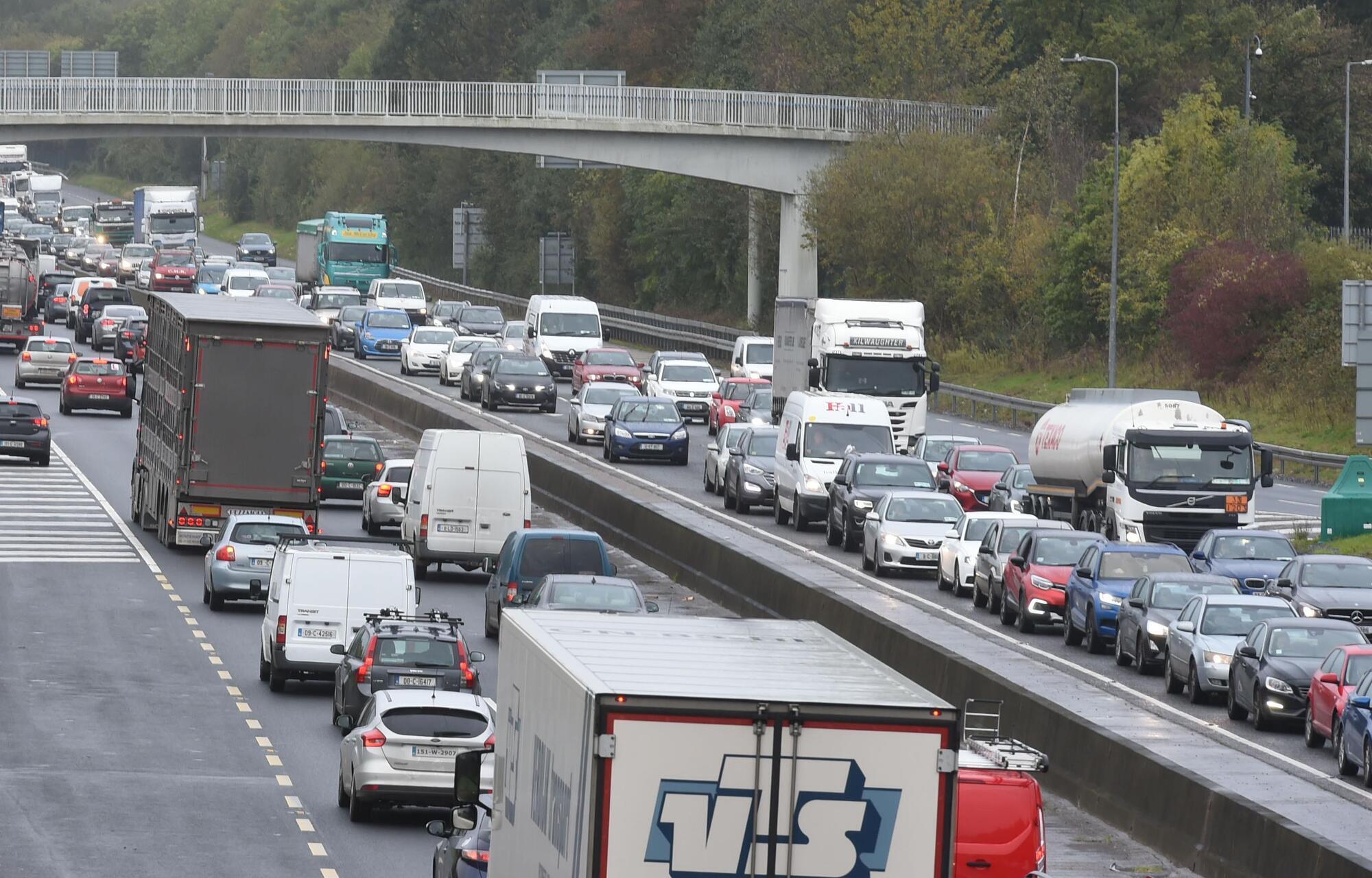
Ireland has the fourth-highest level of transport emissions per capita in Europe and the transport sector is responsible for around 20% of our overall carbon dioxide emissions, with private cars accounting for 41% of emissions in the transport sector. File picture: Larry Cummins
Advertising increases the public’s carbon footprint by almost a third by encouraging extra consumption, an Oireachtas committee has heard.
The UK research was carried out by Purpose Disruptors, a network of advertising and marketing insiders pushing the industry to take responsibility for the emissions it drives. Laura Costello of the network’s Irish branch said that the research also applies to Ireland.
"While the same research has yet to be commissioned in Ireland, we know that consumption is growing in a similar trajectory here," she said.
The Dáil Committee on Environment and Climate Action heard from Client Earth, urging a ban on fossil fuel advertisements and from the Advertising Authority of Ireland (ASAI), stating that greenwashing was a growing source of complaints.
From car ads encouraging you to go "above and beyond" by driving a vehicle that will accommodate the kids, the luggage, the dog and the kitchen sink, and airline ads urging you to "travel the globe and make dreams come true", ‘badvertising’ encourages consumers to make environmentally disastrous decisions.
Why, in a world that is rapidly warming, are we surrounded by ads that constantly encourage us to consume more polluting, high carbon products? An easy and cost-effective way for policy makers to meet now-mandatory climate targets would be to curb the way they are promoted.
These ads are everywhere. Car firms spent an estimated $35bn on advertising in major global markets in 2019 and this money is increasingly focused on pushing SUV vehicles.
Ireland has the fourth-highest level of transport emissions per capita in Europe and the transport sector is responsible for around 20% of our overall carbon dioxide emissions, with private cars accounting for 41% of emissions in the transport sector.
Fuel hungry SUVs predominate – they account for over half (55%) of all new cars that were sold in Ireland in 2021, and much of this success is due to snazzy advertising campaigns appealing to young parents to buy a vehicle that will ensure your family appears secure, affluent, comfortable, and cool.
Advertising would not be the multibillion industry it is if it did not work. Australian research with young smokers and non-smokers, found that including photographs of popular musicians, actors and models smoking cigarettes, increased their urge to smoke and reduced their intention to quit.
A review of the effects of bans on tobacco adverts in 30 developing countries found that comprehensive bans resulted in an almost one quarter (23.5%) reduction in per capita consumption of tobacco. Finland – once with the highest number of smokers in Europe – halved the rate of 14-year-old boys smoking within two years of their ban in the 1970s.
Much of the once common tobacco advertising has been replaced by the advertising of high-carbon products. Now that the climate crisis is estimated to cause almost 9 (8.7) million premature deaths a year from burning fossil fuels, is there a case to be made for ads from high-carbon polluters also being banned?
The latest Intergovernmental Panel on Climate Change report seems to think so. It lists regulation of advertising as an example of a policy measure that can have a "major influence on mitigative capacity".
Many consumers seem to agree. In a UK survey of 2,000 adults, 68% said they would restrict advertising of environmentally harmful products while 45% favour limits on ads for highly polluting cars and one third (33%) support curbing ads for air travel.

Regulators are beginning to scrutinise corporate ‘greenwashing’ such as airlines promising climate-friendly flights.
Land Rover was told to stop running an ad suggesting that landscape gardener Diarmuid Gavin was living a more sustainable life by driving one of its vehicles. The ASAI’s complaints committee noted that Land Rover had produced no evidence to back up claims that driving a Defender Hard Top was ‘planting the seeds of a more sustainable life’ or enhancing Mr Gavin’s ‘sustainability goals,’ or that the car was ‘bridging the gap to a more sustainable vehicle.’
Some European countries are coming on board in recent months. France is requiring car adverts to carry environmental warnings and prompts to use active travel or public transport. Amsterdam and five other Dutch cities have banned public ads for fossil fuel products; and UK councils including Liverpool, Norwich, and North Somerset, have passed similar policies.
The Dutch city of Haarlem recently announced its intention to ban meat adverts from public spaces to reduce consumption and greenhouse gas emissions. Ads will not be allowed on buses, shelters, and screens in public places after meat was added to a list of products deemed to contribute to the climate crisis.
The ban in Haarlem also covers holiday flights, fossil fuels and cars that run on fossil fuels. It is delayed until 2024 due to existing contracts with companies that sell the products.
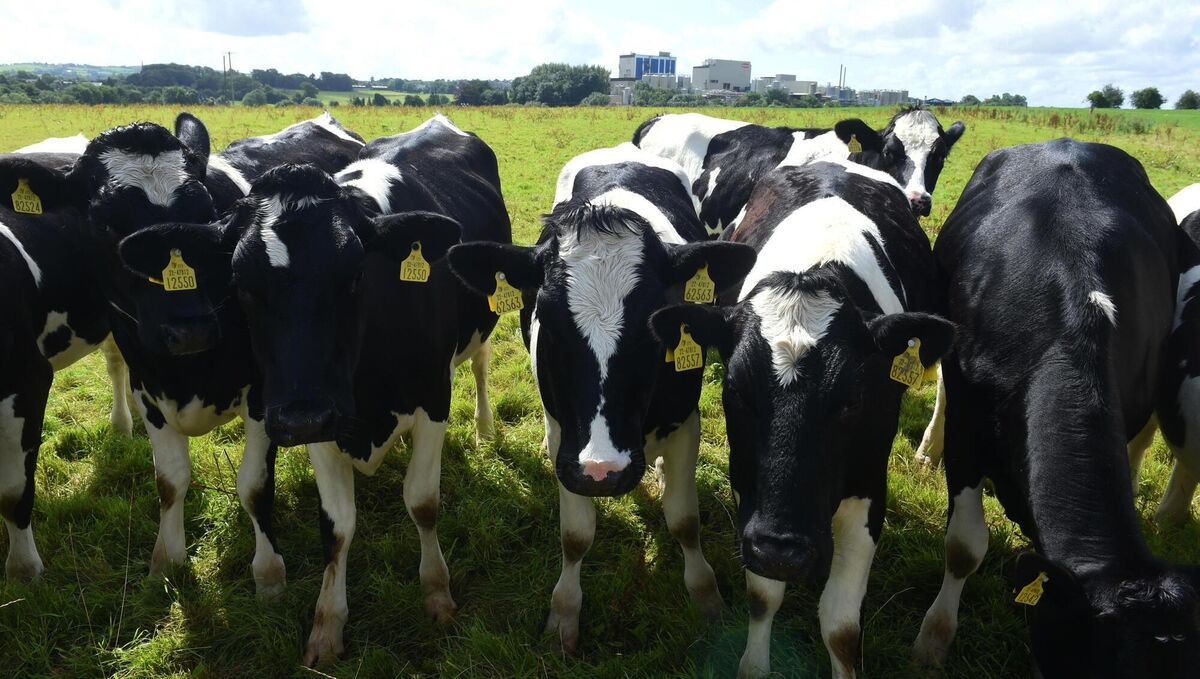
Agriculture in Ireland is by far the biggest source of Irish emissions at 37.5% and continues to rise, and is the most challenging sector to address driven by increased synthetic fertiliser use as well as dairy cow numbers. This is the 11th consecutive year dairy cow numbers have increased. Total cow numbers increased by 0.8% in 2021 and emissions increased by 3%.
Could a ban on meat adverts be a cost-effective way of addressing climate targets from this sector and succeed where other measures to address greenhouse gas emissions from the agricultural sector have failed?
Could a ban on adverts for holiday flights, fossil fuels and cars that run on fossil fuels also be enacted in the next decade in Ireland? With the outcry we have seen over bicycle lanes, sustainability corridors and any challenge to the size of the national herd, along with the surge in airline travel as compensation for emerging from a two-year pandemic–induced lockdown, such a move seems inconceivable right now.
But there is a building momentum both within Europe and across the globe towards addressing high-carbon consumerism and the need to meet legally binding emissions reduction targets.
Kate Raworth in The Climate Book tells us that policy makers can do much more with regulation, taxes, and incentives to "edit out harmful consumption options that are not compatible with 1.5C lifestyles," she writes.
In the realm of transport, this could include private jets, mega yachts, fossil fuelled cars, short flights, and frequent flyer rewards.
"At the same time policy makers must 'edit in’ far better alternatives – from excellent rail networks and electric car-sharing schemes to dedicated bike and bus lanes so that the sustainable choice becomes the everyday easy option that is accessible and affordable to all."
A ban on advertising of products with a high carbon footprint as is happening now across Europe and further field is an essential step in this "editing out" of harmful consumption. To encourage policy makers to make this happen - the public and the media need to ensure that support for this step is loud and clear.
- Dr Catherine Conlon is a public health doctor in Cork and former director of human health and nutrition, safefood

CLIMATE & SUSTAINABILITY HUB
CONNECT WITH US TODAY



Be the first to know the latest news and updates