Cianan Brennan: Thomsons carried out enormous service in bringing State to heel over phone mast decision
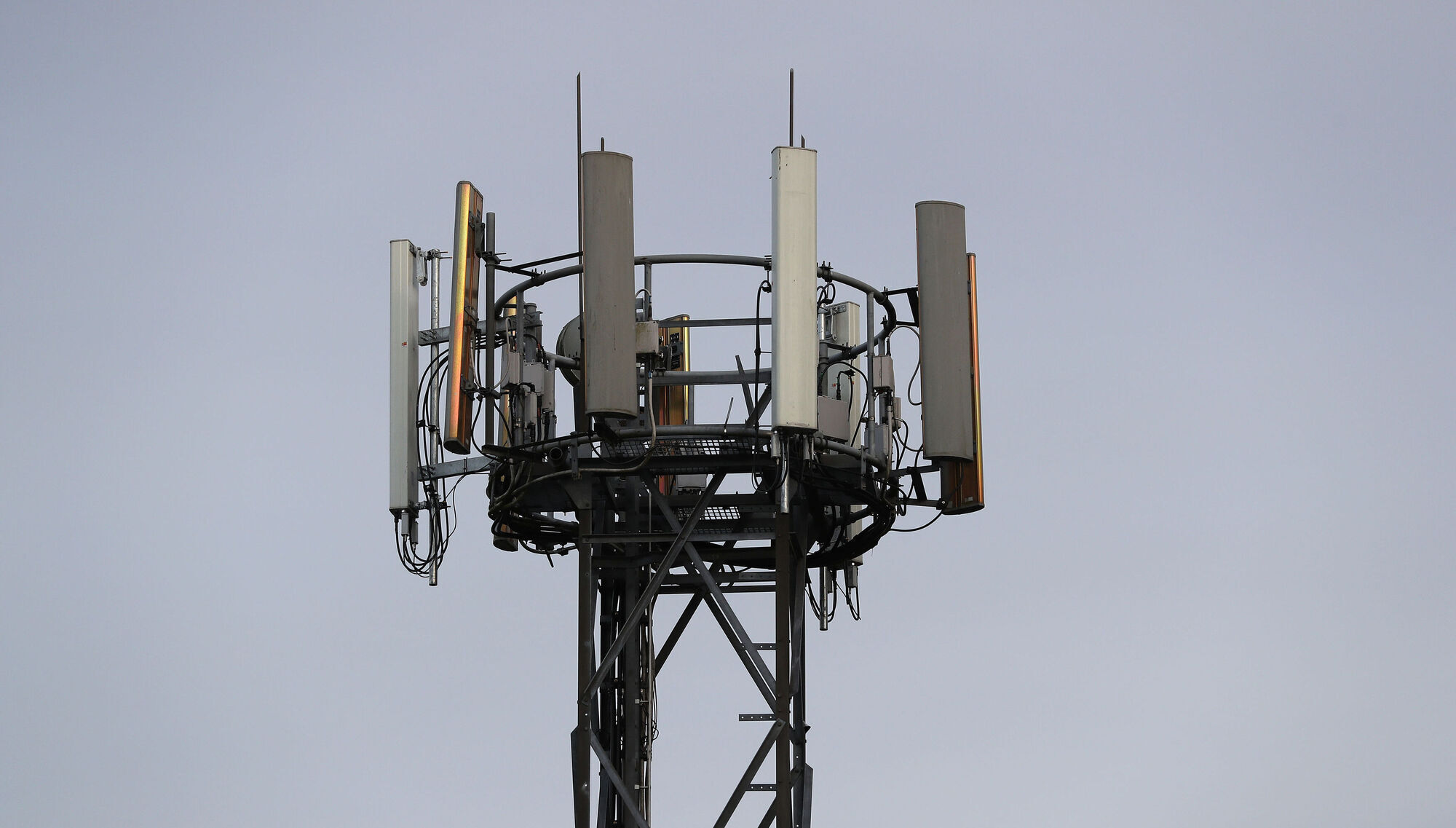
The couple have been vindicated in full in their battle over a decision to allow a mobile phone mast to be installed next to their home.
On Monday, a near five-year legal odyssey came to an end at the High Court with Kilkenny couple Peter and Doreen Thomson being vindicated in full in their battle over a decision to allow a mobile phone mast to be installed next to their home.
In sticking to their guns, the couple did the State and their fellow citizens an enormous service — one which will likely not be fully appreciated by the public at large.
They have also shown that, in the Government’s current attempts to stifle access to review of questionable decisions made by State actors, we are heading down a very poorly-lit path.
The Thomsons had argued that the initial decision taken by former deputy chair of An Bord Pleanála Paul Hyde — who subsequently received a criminal conviction for undeclared conflicts of interest during his time at the planning authority — had been the subject of bias, given the alleged statistical improbability of the sheer number of times he had overruled his own planning inspectors when granting permission for telecommunications masts.
Those allegations were never tested in court. Instead, An Coimisiún Pleanála — a name change that resulted directly from the scandals which engulfed it in its previous guise — argued that the Thomsons had taken their challenge outside the eight-week statute of limitations for raising an objection, an argument the High Court initially agreed with.
However, given the seriousness of what they were alleging relating to transparency of public decisions, the Court of Appeal and Supreme Court both said the public interest would be better served by having the Thomsons case argued in court
While the Coimisiún said repeatedly in both the Court of Appeal and the Supreme Court that it would robustly defend its position, this has not come to pass. Instead, it has dropped its defence entirely.
In a statement delivered by its legal counsel, Philip Lee, the Coimisiún insisted accusations of bias are unfounded. However, at the same time, it has elected not to defend them.
“The concession of the proceedings means that we will not get to hear any explanation for what was an extraordinary pattern of decision-making by the board in relation to telecoms masts,” Eoin Brady, the Thomsons solicitor, said.
Mr Brady, who has taken countless cases relating to dubious mast decisions, called for a 2023-commissioned report by senior counsel on governance issues at the then An Bord Pleanála to be published.
“It is truly amazing that the relevant authorities are still refusing public access to a report completed at considerable expense to the taxpayer in relation to allegations of systemic wrongdoing at one of the State’s most important institutions,” he said.
But back to the Thomsons. There is tremendous vindication for them here, and doubtless enormous relief also for them personally. The bravery of what they did should not be underestimated. They admitted in the High Court initially that they had not brought the case at first for fear of the enormous financial implications should they lose.

Peter Thomson eventually decided to pursue the case anyway after reporting by the disclosed Mr Hyde’s granting permission for mobile phone masts, regardless of whether his own inspectors believed the construction to be appropriate or not.
It has taken enormous courage and fortitude to do what the Thomsons have done. The case is not a sexy one, but they have brought the State to heel and exposed a deeply dubious decision for what it was.
The whole saga is a shining example of what a judicial review process can do when approached in good faith and with a genuine case. A public good has been achieved. Will Ireland learn from this lesson? It seems not.
At present, the Department of Housing is fast-tracking legislation to make access to judicial review much more difficult. In future, if you wish to challenge a questionable planning decision which affects you directly, you’ll have to be prepared to pay through the nose for it to the tune of well over €100,000.
No longer will the State be covering the costs in full of successful objectors, all in the name of "getting things done".
Those changes have resulted from the Government’s mismanagement of the country’s housing crisis, and the optics of needing to be seen to be doing something about it.
Similar deregulatory thinking led to doozies like the 110% mortgage, along with Ireland’s banks being actively encouraged to throw credit around like confetti in the buildup to a financial crash that brought Ireland to its knees in 2008. Must we always be doomed to repeat our mistakes? Or will sanity ever prevail?
Eoin Brady says: “The Thomson case clearly illustrates the critical importance of the availability of judicial review. It shows the importance of preserving access to the courts for ordinary people when faced with decision-making by State institutions which break the law.
“Ultimately judicial review is about preserving the rule of law, and ensuring accountability within our institutions, which is key to ensuring cohesion in society. In today’s world, that could not be more important.”
He is not wrong.