Aileen Hickie: Post-Covid anxiety threatens to overwhelm children, parents, and schools
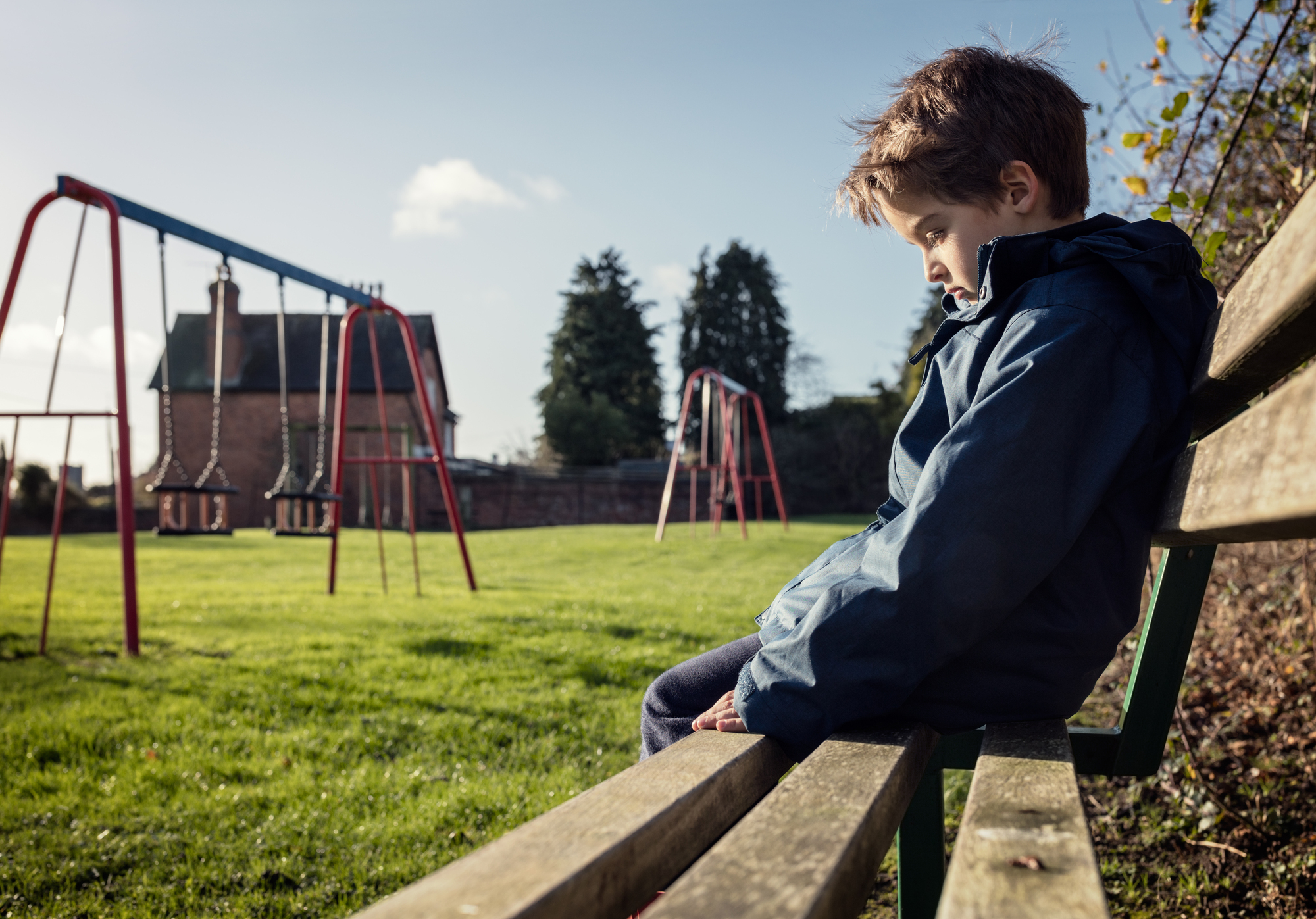
Children can experience anxiety at different stages of their lives, but it is important to manage it.
All adults and children feel anxious and worried at times. Anxiety is a normal and natural occurrence. It’s part of life. But it can’t be allowed to become overwhelming or defining.
Children can experience anxiety about different issues at different stages of their lives. For the most part, this is just one more element of growing up.
However, the reported rise in anxiety, self-harm and depression among school children and teenagers, as stated by the school management bodies and principals who addressed the Oireachtas education committees this week cannot be anything but worrying.
In turn, it has made many parents fearful for their children — and sometimes of them.
For many children, anxiety can be overwhelming but for many more it can be even more worrying and interfere with a child’s daily life.
Severe anxiety can harm children’s mental and emotional wellbeing and affect their self-esteem and confidence. They may become withdrawn and avoid situations that could possibly make them feel anxious.
Loss is the main cause of childhood anxiety. Loss is what children and teenagers in Ireland have suffered for two and a half years because of Covid and the restrictions that were placed upon them.
This loss is perhaps sometimes overlooked or underappreciated. Children lost almost two years in school. They lost the physical communication and interactions with their friends. Many lost friend groups. Many lost a respect for education.
Many more were anxious and while there are many different reasons for anxiety, one of those reasons was the loss they experienced, even if we or they could not name or quantify that loss or did not realise it until it was too late.
Covid made life very stressful and difficult for many children. Post-Covid has improved things for many, but not all children.
The restrictions were put in place to protect physically vulnerable older generations, but we perhaps didn’t give enough thought to the mental stresses upon the young.
Every day in Ireland, tens of thousands of children do not attend school. Most of those who don’t go have valid reasons for not doing so. Others, however, are simply refusing to go to school.
There has been a significant rise in anxiety levels in children since the early part of 2020.
Not everyone knows the signs of childhood anxiety. These can be many and varied.
Children may not be sleeping well or sleeping for too long. They find it hard to concentrate.
They might be angry and irritable. Most have a lack of confidence.
They are unable to face and complete simple everyday challenges.
They avoid normal everyday activities such as seeing friends, going out in public or going to school.
Teenagers particularly can be anxious, making them avoid social get togethers.
There are trigger points for anxiety. It is rarely just one thing. These can include transitions to returning to school, starting secondary school, moving from the junior to the senior cycle or moving onto college or the beginning of their working life.
There can be conflict with parents or teachers or friends. They might feel concerned before a test or exam. Some are shy in social situations.
It can be even more difficult if they’re coping with bereavement, addiction, mental ill health, divorce, or separation.
The children might be homeless or in direct provision, but they might also be in what seems to others to be the most normal and happy homes.
Many children compare themselves unfavourably to their colleagues and school friends.
Many parents feel powerless in the face of their child’s anxiety. They feel as though they have failed even though it is generally not their fault. They don’t know what to do and where to go.
Trying to access a mental health service for their child often involves going on a waiting list. For parents who can access such a service it is a huge relief, but more often than not the wait for expert help creates its own burden.
More and faster access is needed for parents to help and support their child. The sooner help is provided the better the chances of a successful intervention.
Learning of a delay for six months or longer may only make things worse.
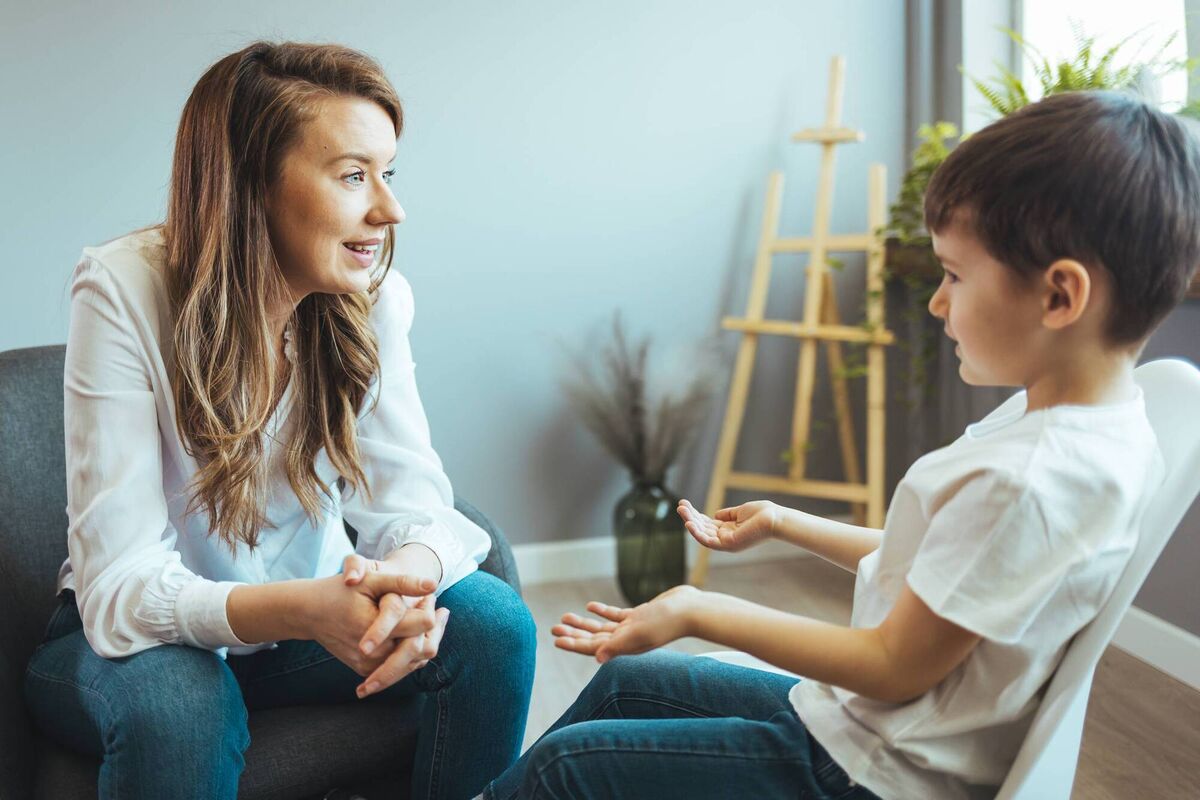
We cannot continue to fail our children and their future lives because of a lack of service provision and support that should be immediately available to help and support anxious children in need.
Schools and parents do their utmost to secure the best outcome possible for all children but they need the back-up of professionally trained mental health services, not a date in the diary to see someone six months away.
That is not to dismiss parental responsibilities, the need for parents to talk to their own children about their anxieties and worries and to reassure and support them.
But as any parent knows, sometimes children seek others than their parents to listen to them. Which is why timely help and intervention is required.


CONNECT WITH US TODAY



Be the first to know the latest news and updates