An inconvenient truth: Large parts of Ireland lack basic essentials for habitation

Up to 1.5m people in remote rural areas are still deprived of basic rights to mobility, communication and local access to food shopping, and change is long overdue,
Perhaps this is the decade when three basic elements for any community – mobility, communication and local access to food shops – becomes the norm throughout rural Ireland, eventually becoming a right. File photo: Larry Cummins
Perhaps this is the decade when three basic elements for any community – mobility, communication and local access to food shops – becomes the norm throughout rural Ireland, eventually becoming a right. File photo: Larry Cummins

Media reports in recent days suggest rural transport and broadband issues hinder councils’ refugee placement plans.

These reports say that, under instructions from various departments, local authorities have been directed to provide accommodation in cities, towns and villages which are: well served by transport networks; have acceptable broadband services; and are ideally within walking distance of shops and amenities.

They also state that infrastructural problems with transport links, broadband, and services in some rural areas have meant potentially suitable accommodation cannot be considered and have effectively ruled out accommodation being offered in parts of rural Cork, Waterford, Kerry, Galway, Tipperary, Donegal and other counties.

These reports reveal an inconvenient truth; in fact, two inconvenient truths.

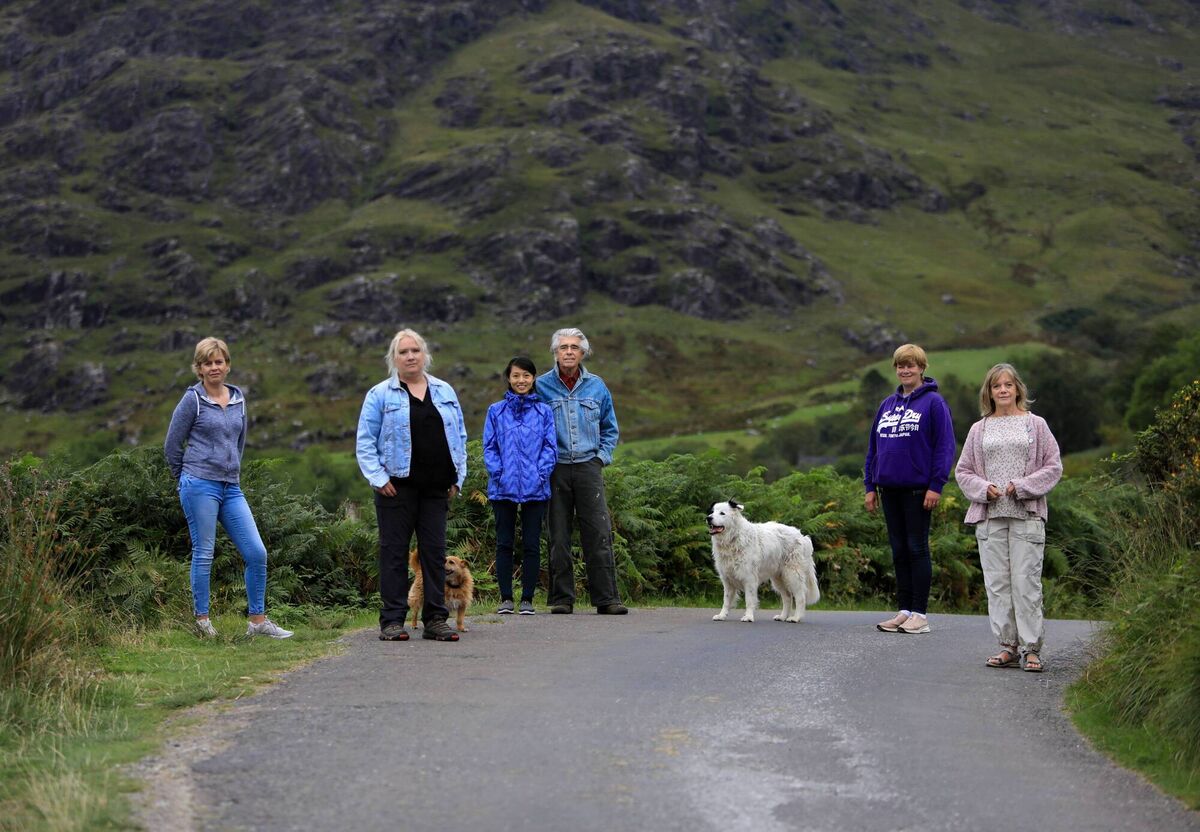
Residents of the Black Valley in Killarney, Co. Kerry, are calling on all agencies to come together to ensure a reliable phone and a fibre to the home broadband service in their area. As Ireland's most remote destination, it was the last corner of the country to get electricity in 1976. Photo: Valerie O'Sullivan

The first is that the Irish Government now views large parts of the country as failing their own test on suitability for human habitation, based on the simplest of needs – mobility, communication and local access to food shops.

The second is that these are the sort of places where about one-third of all the people in Ireland live. That’s about 1.5m people, our fellow citizens and guests, who lack the most basic of services that the rest of the country takes for granted.

This is nothing new, which is probably why the dots aren’t joined anymore and it isn’t considered news. But whether it’s John Healy’s No One Shouted Stop! (published in 1968, it chronicled economic and social decline in rural Ireland) or the countless reports over the years, these truths have long been known to us. They have just become part of ‘how things are’.

For many generations, people in rural areas lacking these essentials have had to either find a way to get by or find a way to get out. The latter has often seemed the better option and villages and rural areas have lost many of their people and struggle to keep their communities vibrant.

But maybe we are turning a corner. Last year, the Department of Rural and Community Development published a report,

Our Rural Future

. It sets out a credible blueprint for revitalising rural areas, bringing back people, jobs, services, and amenities. The National Broadband Program will provide many with a sufficient level of communication for modern living and business.
That still leaves mobility, which is probably the area of greatest deficit, but for which we don’t yet have a national policy or program. People in rural areas are almost totally dependent on cars, which is a heavy burden on households and the environment. Without a car, you are very dependent on family, friends and neighbours to get around; even then, you are sometimes trapped.

At the start of the film An Inconvenient Truth, Al Gore says: “I’ve been trying to tell this story for a long time and I feel as if I’ve failed to get the message across.” The film gave him a global platform, people heard and began to understand what happens elsewhere also matters to them; change was mobilised.

The iRoute2 Conference in Kilkenny on May 5 is not on quite the same scale but it is a platform for people to learn about the issues of rural mobility and the potential for improvement.

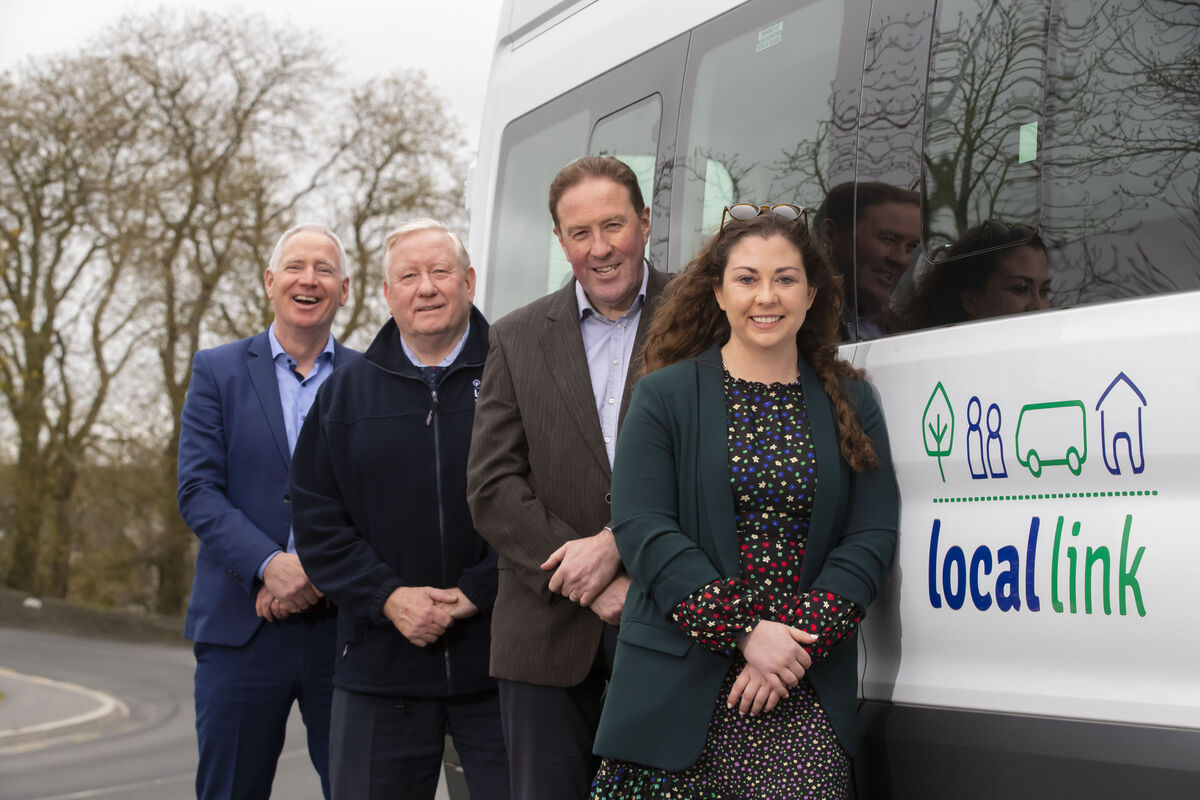
(Left to right) Tim Butler, Kilkenny County Council, Jackie Mealy, Ring-A-Link, Declan Rice, CEO, Kilkenny LEADER Partnership and Laura Kavanagh, JJ Kavanagh & Sons, in Bennettsbridge, Kilkenny, to announce the international Integrated Rural & Urban Transport Evolution (iROUTE ) conference in Kilkenny on May 5. Photograph: Patrick Browne

This one-day conference brings together stakeholders to discuss what is being done in Ireland and elsewhere in Europe. Chaired by economist Jim Power, representatives from communities and agencies, along with practitioners, politicians and researchers will share experiences and examine ways to formulate a long-awaited policy for rural mobility in Ireland.

This dialogue may be overdue, but now it is happening. Perhaps this is the decade when three basic elements for any community – mobility, communication and local access to food shops – becomes the norm throughout rural Ireland, eventually becoming a right.

The iRoute2 conference takes place at the Newpark Hotel in Kilkenny on May 5 and is organised by Kilkenny LEADER Partnership. Registration, with a nominal charge, is through the event website at www.iroute.ie

More in this section

Revoiced

Newsletter

Had a busy week? Sign up for some of the best reads from the week gone by. Selected just for you.

Cookie Policy Privacy Policy Brand Safety FAQ Help Contact Us Terms and Conditions

© Examiner Echo Group Limited