Colm O'Connor: New census religion question offers scope for change
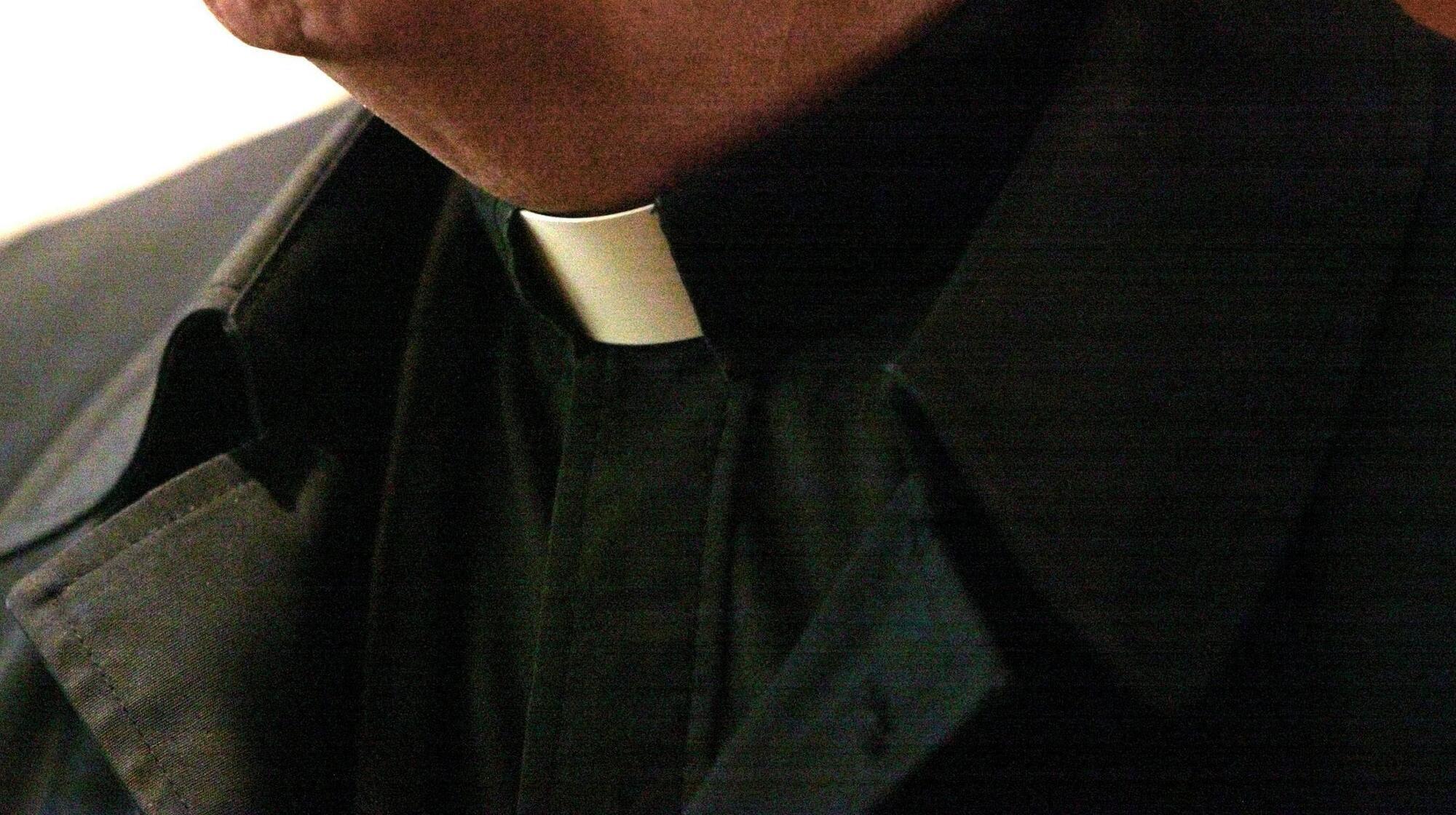
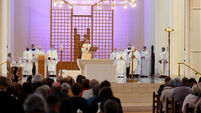
In the 2016 census, 78% of respondents identified as Roman Catholic
On Sunday evening, Census 2022 will take place. Most questions cover factual matters such as our ages and professions, but Question 12 stands out as different, as it asks us about our spiritual beliefs.
For the first time, the traditional wording of ‘What is your religion?’ has been replaced with ‘What is your religion, if any?’.
For some, this question might give pause for thought, particularly if we are completing the form on behalf of our children or other family members. For example, should we say that we are religious just because we were baptised? Or indeed, can we make any claim about the religious beliefs of our children?
In 2016, I was one of the 10% who ticked the ‘No Religion’ box. Six years earlier, I had ‘defected’ from the Catholic Church, by demonstrating to the satisfaction of the bishop, my sincere desire to leave. In effect, I was excommunicated, at my request and could no longer participate in sacraments.
However, the change in status had a far greater significance to me.
Two months earlier, we had received a terminal diagnosis for our much-loved baby daughter, then 10 weeks old. Our lives were changed unexpectedly and irrevocably.
That first week after her diagnosis was characterised by a mixture of numbed shock, fear, and given the short timeframe (she had a maximum of 10 months to live), a frenzy of decision-making.
For some, a religious upbringing would have provided real comfort, but for me, it was a source of additional stress.
Initially, I felt the urge to have her baptised for two reasons (even though I had not believed in God or an afterlife since I was 17).
Firstly, in a practical sense, I knew nothing about graveyards. I thought that they were owned by the Catholic Church and that we would have to get her baptised ‘to get her in’, mirroring the ‘baptism barrier’ in some schools. This was clearly not the case, as the social worker explained, but it was the first time that I recognised the depth of influence of religious teaching on my subconscious.
The second issue was more serious. Despite not believing in an afterlife, I couldn’t escape the fear that if I was wrong, perhaps I would get into heaven and that she would not. The concept of limbo had recently been ‘cancelled’ by Pope Benedict XVI, but culture runs deep.
I couldn’t rest until we were in the same category, so that if she ‘didn’t get in’, neither would I, and so I could mind her. Again, these were the thoughts of someone who hadn’t believed in an afterlife for 16 years.
At that time, the CountMeOut.ie campaign was assisting people with the process of ‘defecting’ from the Catholic church. 12,000 people downloaded the form, before Pope Benedict’s decision to ban the practice. I was likely one of the last people to be allowed to defect.
:I had never heard the word limbo in school, just as I had never been given the impression that all cemeteries were church-owned. My entire education took place in schools run by nuns and brothers, for whom I had nothing but affection and respect. But I did grow up in a culture that had been taught for hundreds of years that baptism was a precondition for salvation.
As a parent of a child who has died, I cannot imagine a more sinister form of emotional blackmail.
I don’t believe that many Catholics promote this logic in Ireland today, but the fear remains. Most of us know someone who is not religious but has got their children baptised ‘just in case’, or perhaps because their own parents would be too distressed if they did not.
In the 2016 census, 78% of respondents identified as Roman Catholics. In a republic we should not have to be concerned with these trends, as all belief systems should have parity of esteem within our government and public services.
Unfortunately, this is not yet the case, and these figures are used to justify or ignore the religious influence on our publicly-funded schools and hospitals. The false argument is made that personal belief implies support for religiously controlled public services.
A recent survey by the Catholic church clearly illustrated that the opposite is closer to the truth. The Genesis report showed that an average of 39% of primary and secondary parents saw a Catholic ethos as being an important factor in school choice.
The conclusion of the report may be useful in interpreting the eventual results of Census 2022.
“There is a new interpretation of ‘Catholic’ for Irish people, which is about the development of a moral compass, having an awareness of social justice, social inclusion, and having care for self and for others. It is less reliant on religious practice, sacraments, and tradition.”
However they are labelled in the census 2022, these inclusive values sound like the basis of a progressive civil society.
When I answer Question 12, I’ll be ticking ‘No religion’, but when I answer for my children, I think I’ll tick ‘Other’ and write ‘Too soon to say’.
- Colm O’Connor is a secondary school principal, but is writing here in a personal capacity.
CONNECT WITH US TODAY
Be the first to know the latest news and updates