'We don't class this as a foster home, they're part of the family, they're not the foster children'
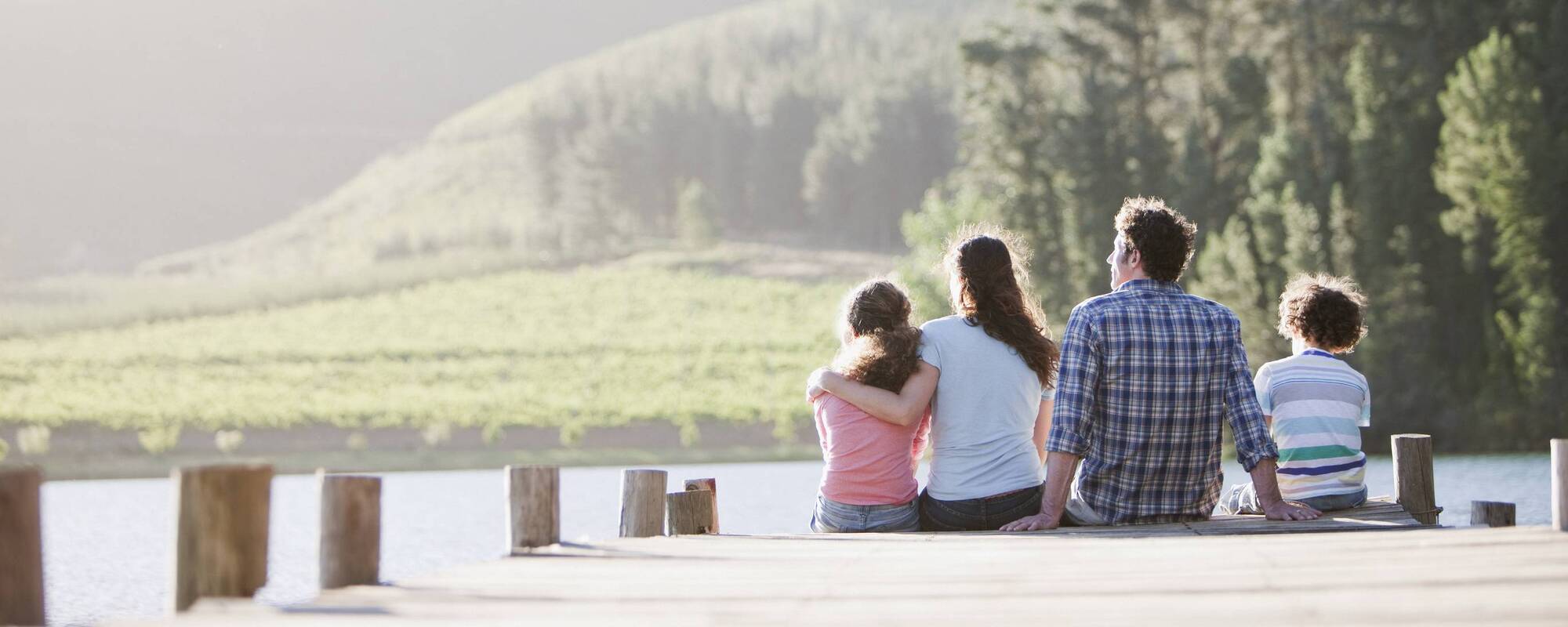
In Ireland, some 3,984 foster carers look after 5,265 children, accounting for the vast majority of children in the care system. File photo
Helena can pinpoint the moment she realised she had formed a pure connection with the children who had come into her home. "I could tell you a moment but I'd be mortified if you print it," she laughs. Ah, go on.
"I hate feet," she says, before explaining how one night she had trimmed her foster son's toenails, almost without thinking. "My husband just said one day 'you cut his toenails' and I was like 'Oh my God, I love the bones of him'".
In truth, it sounds like there were more than one of these quiet epiphanies for Helena and the siblings who first came into her home around a decade ago.
Based in the southeast, Helena and her husband had never had children in their home before Bernadette and her younger brother arrived. Bernadette, now a student and in aftercare, recalls that when she and her brother first arrived, they were assured that it could be a "forever home".
"If I say 'mum and dad' I am referring to them," Bernadette says of her foster parents. "When we were moved in we were told this is your forever home, this is your stable house. I am still here."
Helena and Bernadette, a mother and daughter brought together through fostering, are recounting their experiences during National Fostering Week.
Already in Ireland, some 3,984 foster carers look after 5,265 children, accounting for the vast majority of children in the care system. Many of those placements are secure, stable and long-running, but in what is the third National Fostering Week, Tusla is seeking to recruit more foster carers.
It is a challenge, but according to both mother and daughter, one that many other households around the country should consider taking on. "It is a process, it does take a while," Bernadette says of the period of adaptation for any child entering a new home.
"Foster parents don't get half the credit they should get at all. I would not be here, doing what I'm doing, who I am today, without them.
Helena may not have had children in the home before the arrival of Bernadette and her younger brother, but she had grown up in a home where her own biological parents fostered other children. It had always been in her mind to do the same and she describes it as so lucky that their first placement became a permanent one.
She pays tribute to her children, not least for overcoming the trauma in their lives before they came to live with her and her husband, but she is quick to point out that there is no labelling or differentiation: "We don't class this as a foster home, they are a part of the family, they are not the foster children.
"They face the same challenges - puberty, schools, the transition from primary school to secondary school and to college, the same as every other child."
There are sometimes other challenges, not least attempting to ensure ongoing contact and a continuing relationship with the children's biological family, something subject to its own ebbs and flows and ultimately the free will of the children as to the extent of that.
"It's not a job, it's a life choice to help these children," Helena says, admitting she can get "irked" when people make reference to the allowance paid to foster carers.
"We don't have our own biological children, so they have given us more than we could ever have imagined," she says. "I wonder do people now know enough information about it [fostering]. If you met someone [and they know you foster] - straight away they say 'you're amazing' and I say 'no, we're normal, just like everyone else'. I don't think people know a single person can foster, or a gay couple can."
Bernadette feels there may be a misconception that any child that may require fostering is seen as "troubled" or "mischievous".
"I feel like everyone could be a foster carer if they really tried," she says. Helena says people may have a perception of excess difficulties with birth parents, whereas family reunification is the goal and where that is clearly not possible, you form a new family, and ideally one that endures, like theirs.
Both she and her daughter believe there was sufficient support around them from social workers and other professionals. With Bernadette now studying in the area of social care, Helena and the family have now fostered another two children, a move entirely supported by Bernadette and her younger brother.
Even though, when she was growing up she saw some placements break down, Helena believes even short-term care can make a difference.
"Everyone says it's life-changing for the children, but it's life-changing for the adults," Helena says. "The enjoyment and the love, and yeah it comes with stress, but life comes with stress."
According to Bernadette: "You wouldn't dream about it - trying to make a relationship with someone who is not your mother, it is amazing how it transforms into a proper relationship."
Toenails and all.
*To find out more about foster care, see fostering.ie, call freephone 1800 226 771 or email tusla.fostering@tusla.ie.

CONNECT WITH US TODAY



Be the first to know the latest news and updates