Animal neglect can be just as harmful as physical abuse

The ISPCA has taken possession of a number of litters of puppies while investigating separate allegations of illegal tail docking in different parts of the country. Picture: ISPCA
The ISPCA (Irish Society for Prevention of Cruelty to Animals) was shocked and appalled at the treatment of a cat depicted in a video widely circulated online last week.
We welcome the prompt action of the RSPCA and Essex Police and the fact the cats in question are now safe.
The footage is distressing to watch and shows treatment of an animal that has no place in the modern world.
The expressions of revulsion from the general public and within the footballing community clearly demonstrate the views of society on this kind of behaviour both here and in the UK.
The impact of violence on animals is not confined to physical pain, it can cause long-lasting mental distress, and it is that psychiatric trauma that can take the longest time to heal.
All adults, especially those in the public eye and considered to be role models, have a responsibility to set an example to the younger generation.
What was particularly disturbing about this incident is that there was a child present to witness the abuse first-hand.
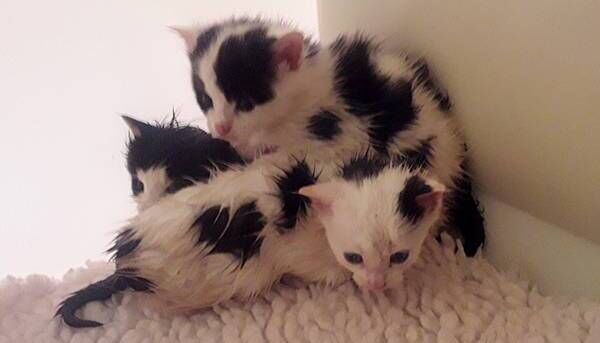
Thankfully it has been the experience of the ISPCA that malicious or wanton acts of violence towards animals are comparatively rare.
Of the approximately 3,500 reports logged by the ISPCA National Animal Cruelty Helpline annually, only a very small proportion relate to incidents involving the deliberate infliction of pain on animals.
And, of the more than 1,100 animals taken into care by ISPCA inspectors in 2021, relatively few were the victims of violent physical abuse.
While violent cruelty may be more shocking to us, the suffering caused to those hundreds of animals rescued by our inspectors that were caused suffering through neglect should not be underestimated.
People often distinguish between “cruelty” and “neglect”, but a failure to provide appropriate care for an animal can cause equally as much pain and distress as physical abuse. And the suffering endured can last much longer.
It may be a dog with an untreated skin condition that is so itchy it has literally scratched areas of its skin away.
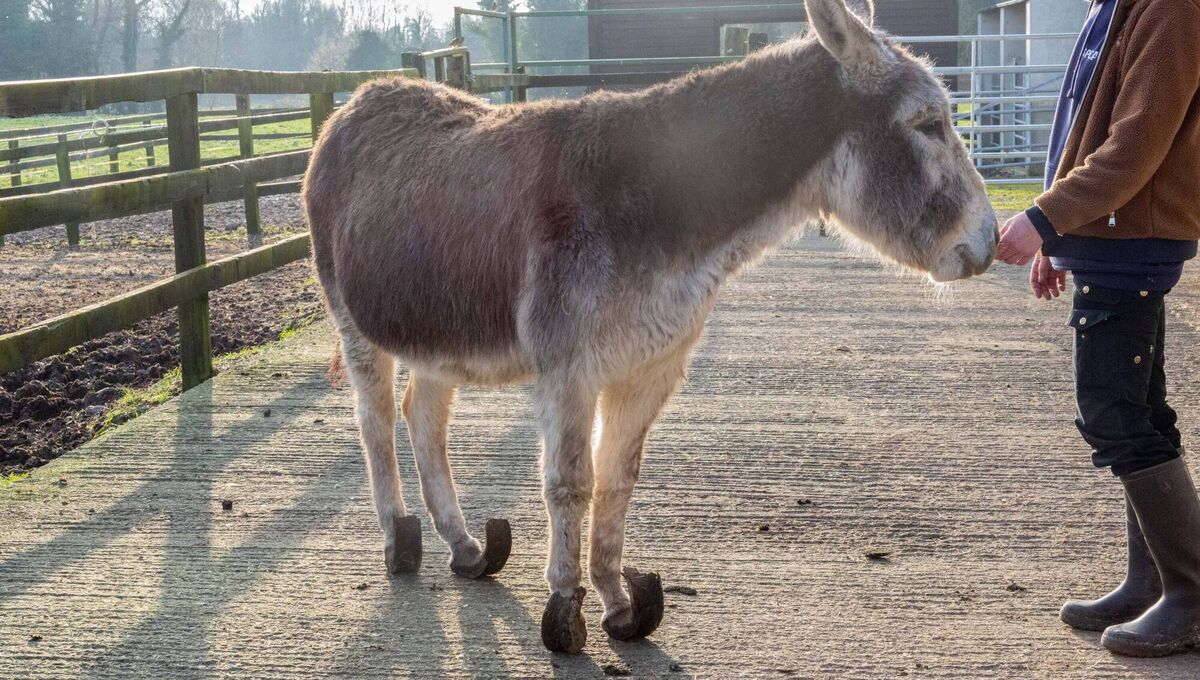
Or a pony that has been deprived of farrier attention for so long that its hooves are curled backwards and every step it takes causes excruciating pain.
Many animals rescued are so starved that even the process of feeding them is fraught with danger; malnourished animals must be fed little and often, and their condition built up slowly.
When animals that have essentially been starved suddenly have free access to large amounts of food, they can become very sick and even die.
Some forms of suffering can be less obvious. Certain types of animals, particularly reptiles, do not display signs and behaviours that most people might recognise as symptoms of pain and distress.
The consequence is that many such animals suffer in silence.
Another form of neglect that may not be immediately apparent is the neglect of an animal’s behavioural and emotional needs.
The ISPCA has rescued dogs from illegal puppy farms so starved of socialisation and stimulation that they are effectively shut down.
In such circumstances, it can take long periods of patient rehabilitation to teach them how to engage with humans.
Fortunately, ISPCA inspectors are empowered to address the animal suffering they find. As authorised officers appointed by the Minister for Agriculture Food and the Marine under the Animal Health and Welfare Act 2013, they can enter land and seize animals when appropriate.
But with such power comes responsibility and ISPCA inspectors must enforce the legislation in a fair and balanced manner and, as legislation is designed to reflect the attitudes of society as a whole, to a level that is acceptable to the majority of people.
It is only when standards are at a level that would be deemed unacceptable that direct action such as the seizure of an animal can be considered.
Of course, societal attitudes change and ISPCA inspectors must reflect those changes in their enforcement. What may have been tolerated even five years ago may not be accepted today.
ISPCA inspectors must also enforce the legislation as it stands today.
The ISPCA as an organisation may be opposed to certain activities and lobby for changes to law to prohibit those activities.
But its inspectorate must remain independent from such advocacy and cannot let society’s aspirations impact on its assessment of a situation in the context of current legislation.
Views on animal welfare can be extremely wide-ranging, particularly on areas such as hunting of animals or, increasingly, the consumption of meat or other animal-derived products.
Whatever our individual perspectives might be, I am confident the vast majority of people would be united in their condemnation of the actions we saw in that video last week.
- Conor Dowling is the chief inspector of the Irish Society for Prevention of Cruelty to Animals (ISPCA)
CONNECT WITH US TODAY



Be the first to know the latest news and updates