Pete the Vet: Listen up! Here's what to do if your dog has ear trouble
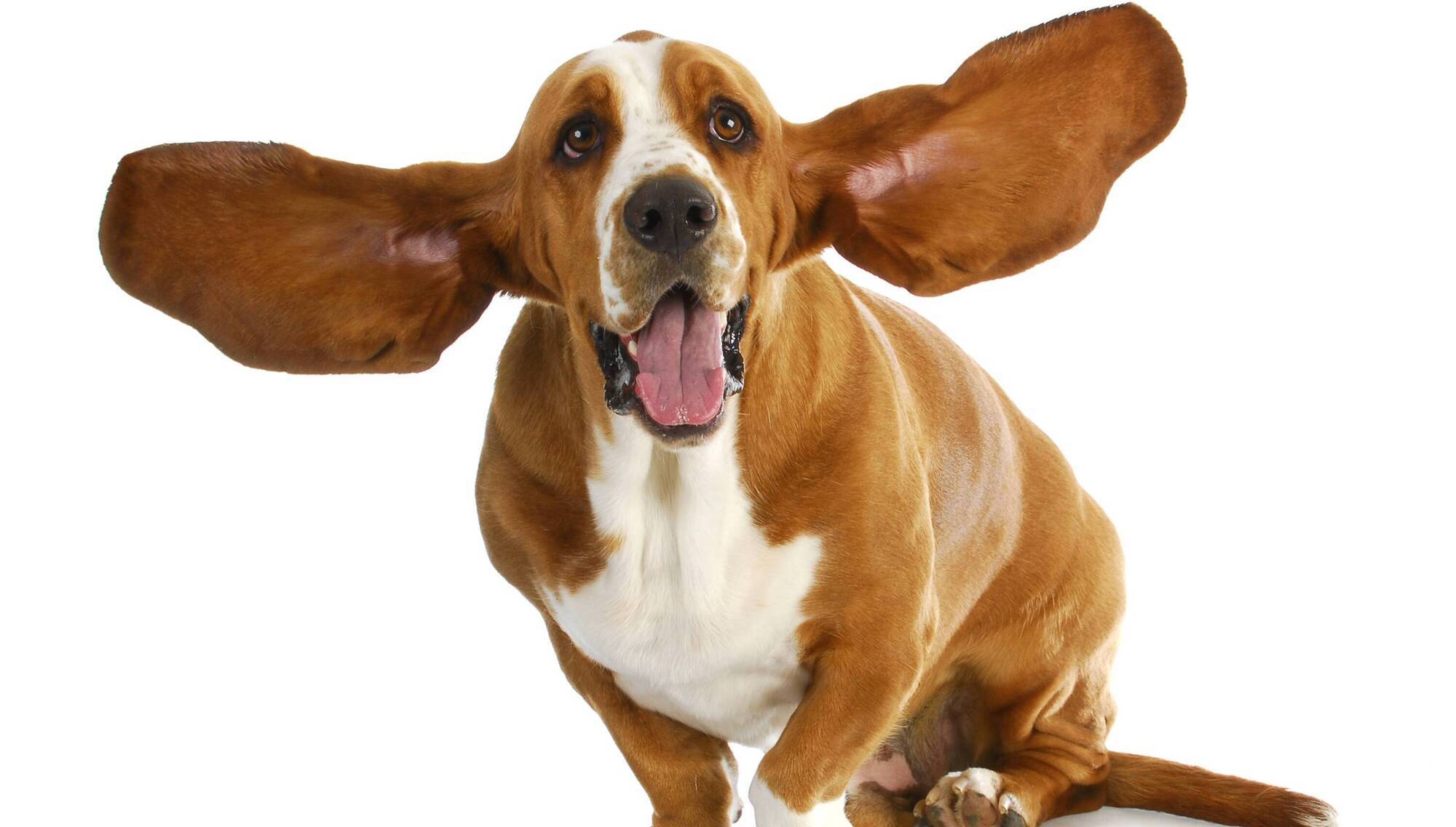
Pete the Vet: Pets can get things stuck in their ears too (grass seeds are the most common object) and they can get ear mites (like tiny ants) crawling around inside their ears.
Iâve written before about health problems that happen just as commonly in pets as in humans. This week, the topic is far more of a pet problem than a human condition: sore ears.
My GP friends tell me that humans do, occasionally, suffer from red, sore itchy ears, but that itâs rare enough. And yes, people do sometimes get foreign bodies in their ears, from cotton bud tips to small toys and beads (more often found in children).

Pets can get things stuck in their ears too (grass seeds are the most common object) and they can get ear mites (like tiny ants) crawling around inside their ears. But there are other issues that more commonly make petsâ ears hurt. Sore ears are one of the most common reasons for a visit to the vet. The most obvious problem is that dogsâ ears tend to be shaped in a way that predisposes them to bacterial and yeast infections.
A dogâs ear canal is long and narrow, creating a tunnel full of warm, stagnant, moist air which is the perfect environment for growing infectious organisms that produce irritating substances as they multiply. The lining of the ear canal reacts to this infection and irritation by producing copious amounts of thick brown wax.Â
This strong-smelling, fudge-like stuff is the ideal medium for microorganisms to grow in: itâs like a Petri dish attached to the side of the dogâs head. So infections tend to grow exponentially once they have started: they go from bad to worse, until action is taken.Â
Dogs scratch at their sore ears, rub their ears along the ground, and shake their head from side to side: all of these reactions aggravate the problem, with the self-trauma making the lining of the ear even redder and sore inside.
The natural design of a dogâs ear flap (or âpinnaâ) is another part of the issue. We humans have neat, flattened ears, closely attached to the sides of our head, with good ventilation in and out of our ear canals. In contrast, dogs often have large, floppy ear flaps that block the opening to the ear canals, trapping warm, moist air inside.Â
A spanielâs ear is the best example: itâs pendulous, drooping down the neck, often covered in dense hair, like a blanket on either side of the dogâs head. Many dogs also have hair growing inside the ear canal, making the internal environment even more stagnant and overheated. The occasional tufts of coarse hair that sometimes sprout from older menâs ears are nothing in comparison to the profusion of hairiness inside many dogsâ ears.
So dogs are off to a bad start: their ears are often badly designed for health.
This predilection is compounded by the fact that many dogs are affected by allergic skin disease, and the ears are an out-pouching of skin.Â
There are two common types of skin allergies: first, allergies to pollens and dusts from the surrounding environment (this is known as âatopyâ, treated with anti-inflammatory tablets). And second, less commonly, allergies to specific proteins in the food (this is relatively easy to rule out, by feeding a dog on a special anti-allergy diet for four-six weeks). These allergies commonly underlie itchy ears in dogs.
Itâs obvious to owners when their dogs have an ear problem: as well as the head shaking, rubbing and scratching, thereâs often a rich fusty smell from the ears, as well as a visible brown waxy discharge. And the skin around the opening of the ear canal looks red and sore. Ear problems like this donât tend to go away by themselves, and there are no simple home treatments.
Vets generally have two possible approaches.
The first, optimistic route is to use a catch-all prescription-only ear ointment, containing a combination of ingredients designed as a universal treatment. Antibiotics and anti-yeast drugs are mixed in with inflammation-easing topical steroids, all contained in a wax-dissolving, oily base. Application of the ointment twice daily for a week or so is often enough to resolve a simple ear infection. As a first-off approach to a dog experiencing itchy ears for the first time, itâs a tempting quick fix.
Unfortunately, itâs often just a short-term fix. If thereâs an underlying issue like allergic skin disease or a particular type of bacterial or yeast infection, the itchy ear problem soon comes back. Owners soon get frustrated with repeated short courses of ear ointment that donât provide a long term fix.
This is the reason why many vets avoid the optimistic quick-fix solution, and go straight for the more detailed, arguably more realistic approach of trying to find out the reason for the sore ear at the first visit. This involves taking a swab from the affected ear, examining the debris under a microscope. This allows a more precise understanding of whatâs happening inside the ear. What type of bacteria are there? A more specific antibiotic may be recommended. Are there yeasts present? A long -erm twice weekly anti-yeast ear cleaner may be needed to stop recurrence.
If there are clues that suggest an underlying allergic skin disease (such as an itchy muzzle or feet), anti-allergy tablets may be prescribed: long-term use may be needed to stop the problem coming back.
I am very grateful for my human ears: a dogâs ears are so often the source of so many problems.