John G O'Dwyer: Ireland's Midlands is a missed opportunity for tourism
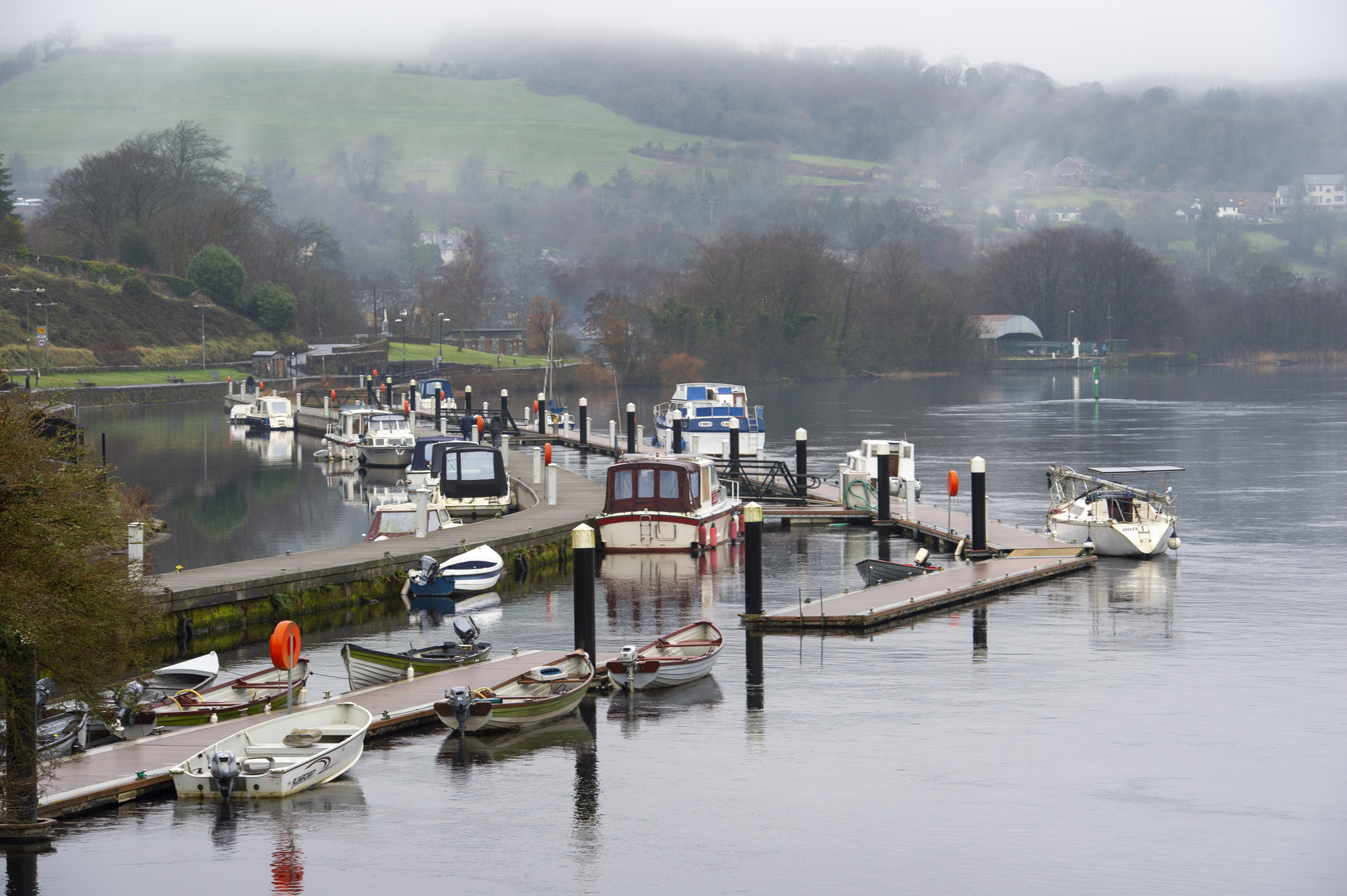
Boats berthed for the winter on the banks of the River Shannon at Killaloe, County Clare. Ireland's greatest river could form the basis of another major tourist trail in this country. Photo: Dan Linehan
It is sometimes said, “never waste a crisis.”
And anyone searching for a crisis not to waste need look no further than the present parlous state of Irish tourism. Enjoying rude good health when Covid arrived, the industry immediately sickened acutely and, unlike other economic areas, has failed to mount a recovery.
It has been a catastrophic time for all hospitality but particularly for those businesses dependent on overseas visitors. Tourism is nothing if not resilient, however; in the last two decades, it has not only survived but also prospered through 9/11, the ash cloud crisis and the economic downturn of a decade ago.
The present calamity is undoubtedly the worst so far and has led to the decimation of incoming tourism. Little doubt exists, however, that the sector will recover as it always does since humans are blessed (or cursed) with a restless and remorselessly curious nature.
Every farmer knows that if cows are milked, watered and fed, they will settle down contentedly without the least concern for what is happening in the next field. Not so humans. We have conquered the world and come to dominate all other species because we are infinitely curious about what is happening in other places and why.
The human desire to wander means Irish tourism will inevitably bounce back to the bucket list as travel fever re-emerges, but in what form? The advantage of the present implosion is that we now have the choice to put the pieces back together in a more constructive way. And there is certainly much that can be done.
On the plus side, Dublin and the traditional tourist counties of the Wild Atlantic Way (WAW) have powered ahead in the past decade, but the downside is that the remaining areas have languished. The success of the WAW arises largely from the fact that it is perceived as an unforgettable journey.
Since medieval pilgrims footed it to Rome, Jerusalem and Santiago, people have shown themselves captivated by the sense of freedom and imminent discovery that comes with journeying unfamiliar landscapes. The Spanish Camino, US Route 66, the Inca Trail, South Africa’s Garden Route and Australia’s Great Ocean Road stand modern testament to the enduring popularity of iconic journeys.
About 80% of our overseas visitors enter through Dublin. Typically, they spend a few days exploring the capital and, if time allows, they then head west. Stop-offs are likely at major attractions such as Clonmacnoise or the Rock of Cashel, but these visits rarely involve overnights, and mostly they segue onwards to do their serious spending along the WAW.
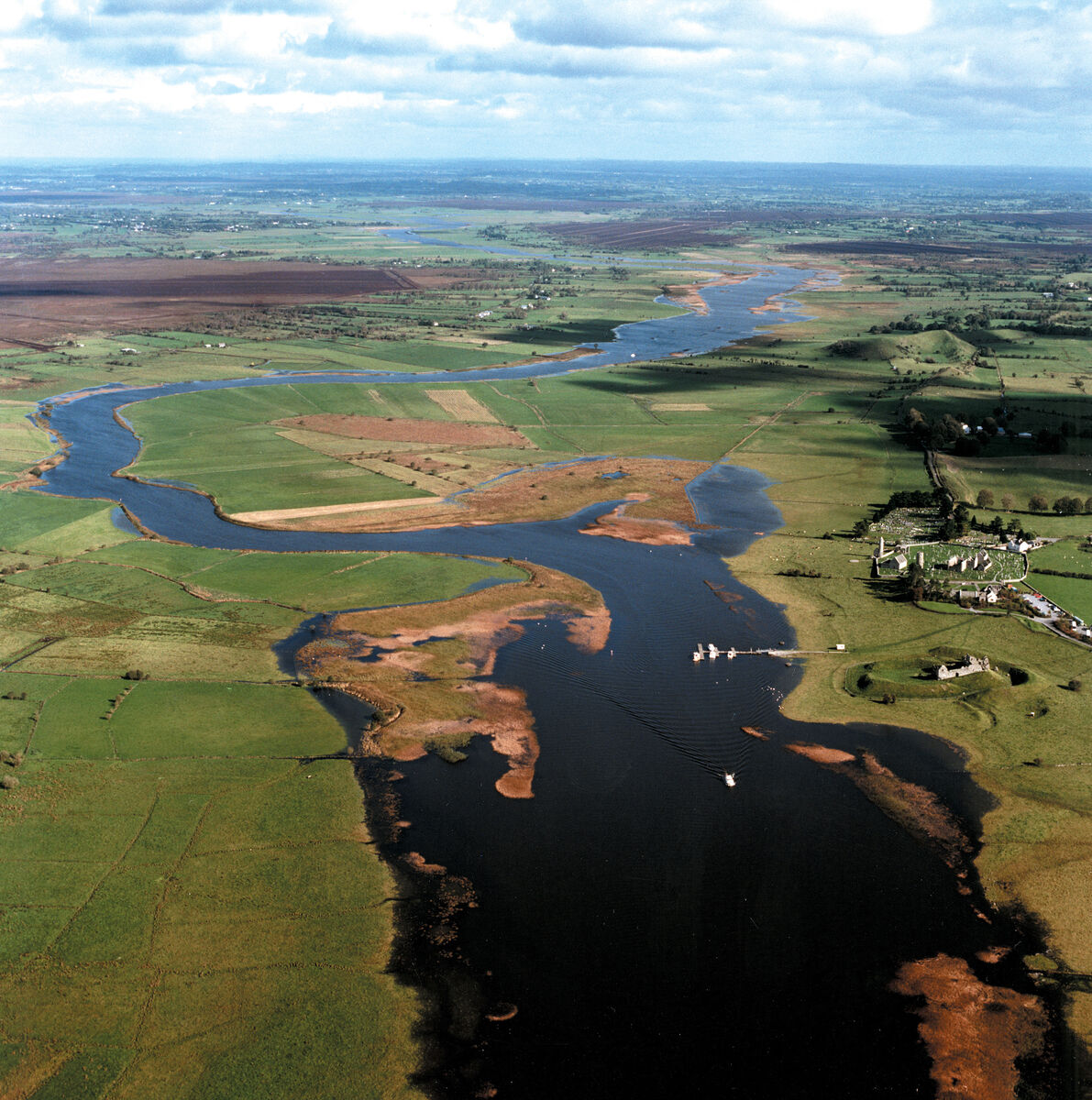
Despite the fact that it contains the finest waterway on these islands, the Irish Midlands is falling between two stools; the region has become mostly a transit area for the predominant East-West flow of international visitors.
Yet, the successful re-opening of the St Declan’s Way pilgrim path in counties Waterford and Tipperary and the National Famine Way linking Strokestown to Dublin shows what can be done. These projects combined modest investment with expansive imagination to create compelling visitor experiences based on journeying as opposed to static attractions.
A feasibility study should examine the merits of a “Shannon Trail”, through the centre of Ireland that would link Limerick city with Lough Allen, Co. Leitrim, by following the meandering course of our greatest river. Marketed, perhaps, as the “Heart of Ireland Way”, it would be much shorter and thus more manageable than the present 2,600km WAW.
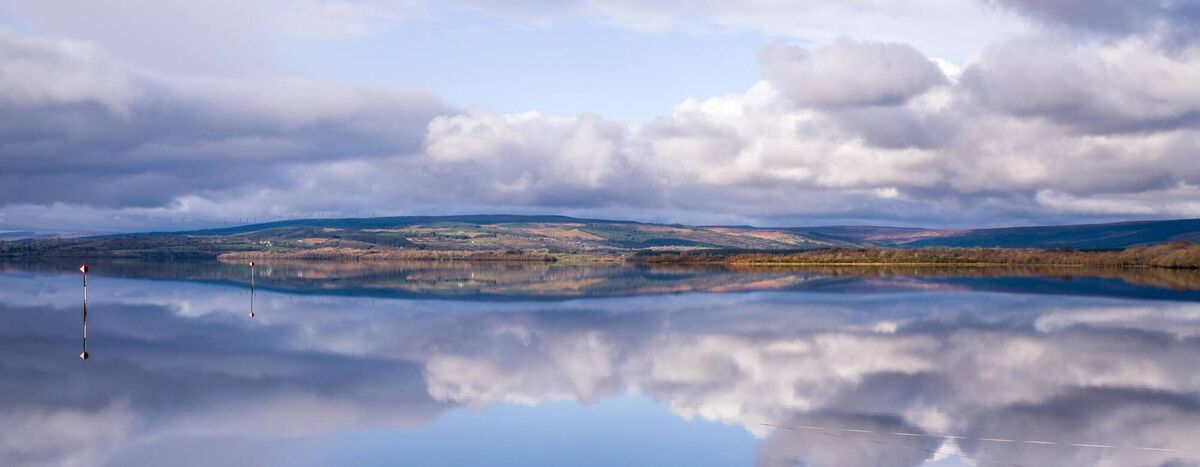
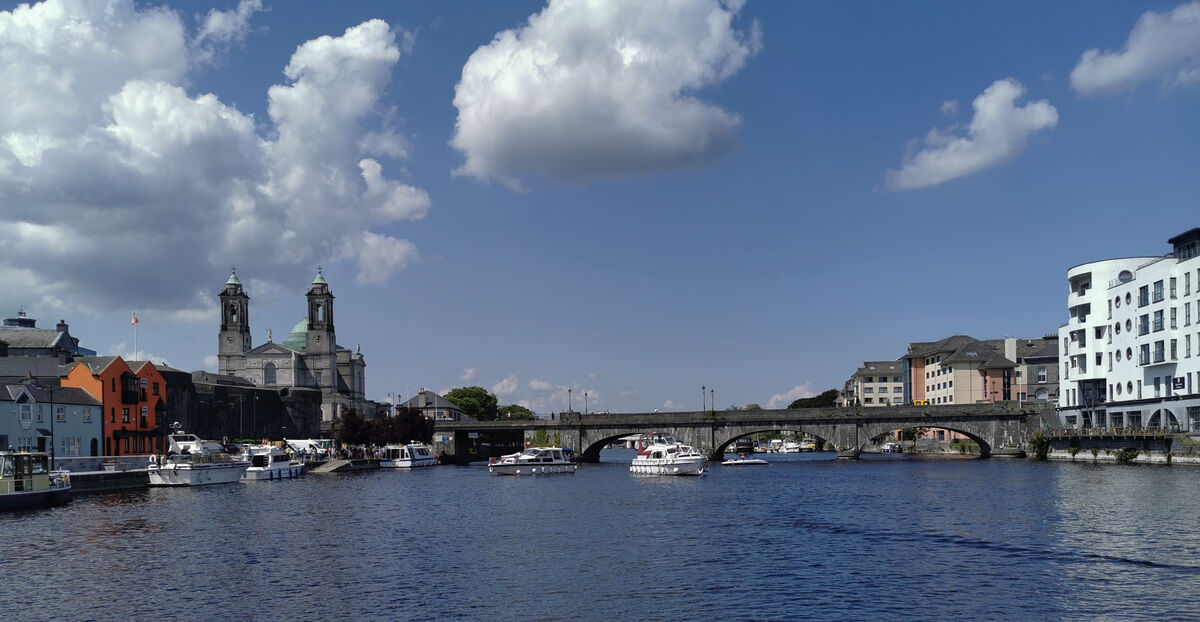
Based on mobile tourism, it would not only make an ideal driving route, there would also be an opportunity to create a compelling cycleway, walkway and water trail for slower tourism often by simply linking up the trails that already exist. Similar to the WAW, the new trail would have Discovery Points en route – for example at Clonmacnoise and Athlone Castle – where visitors would be encouraged to pause and explore nearby attractions.
The trail could later be extended to follow the memorable Erne Waterway through Northern Ireland to reach Ballyshannon. Such an initiative would help distribute tourism spend more equitably, slow rural decline, which is particularly acute in the Midlands, and facilitate a return visit to Ireland for visitors who had previously sampled the WAW.
- John G O’Dwyer is an Irish guidebook author and chairman of Pilgrim Paths Ireland.
CONNECT WITH US TODAY



Be the first to know the latest news and updates