Rory Hearne: Christmas won't be a magical time of year for children who are homeless
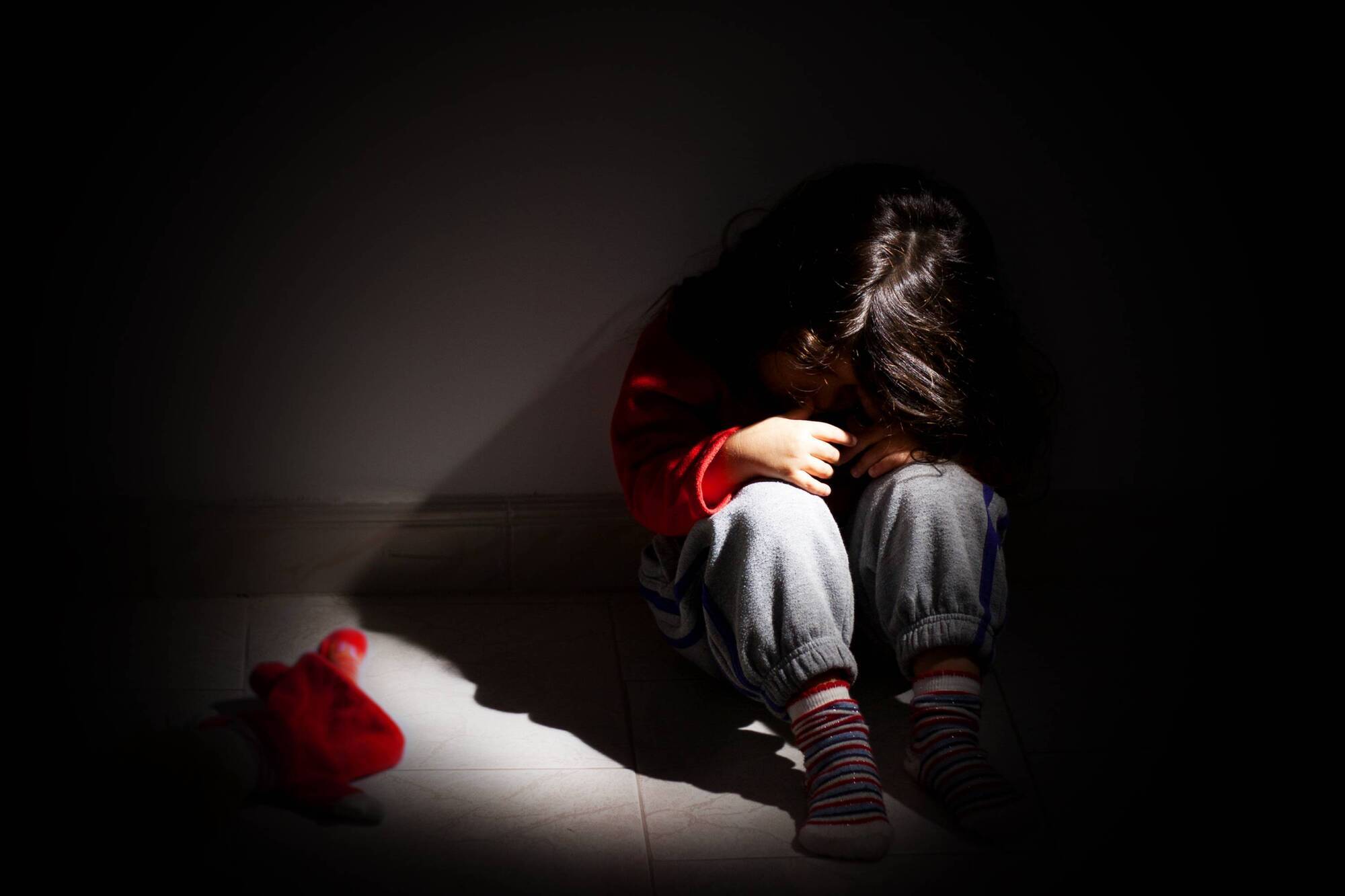
It is heartbreaking that thousands of children and their families will spend Christmas in homeless accommodation. 2,513 children and their families are homeless across the country, equivalent to the number of children in an average-sized Irish town. This is a failure of our Sate that we should not accept.
Home is our most fundamental of human needs. It provides a place of shelter from our inclement weather, for rest, for children to grow and develop. At Christmas, more than any other time, home is at the centre of our hearts and lives. We decorate it and prepare for Christmas day. It’s a time when families gather together, perhaps having not seen each other for years.
It’s filled with magical memories of childhood, and although it can be a time of heightened stress in families and sadness with recent loss, it is the most special of times. That's why it is traumatic to be without a home at Christmas, and we rightfully put attention on those without a home at this time of year.
It is heartbreaking that thousands of children and their families will spend Christmas in homeless accommodation. 2,513 children and their families are homeless across the country, equivalent to the number of children in an average-sized Irish town. This is a failure of our Sate that we should not accept.
While a new Covid-19 Omnicron variant has emerged, children and their families are still being served Notice to Quits (eviction notices) by their landlord and will have to leave their homes in the coming weeks.Â
While most children are bursting with excitement about waking up on Christmas morning, these children and their parents are filled with worry and anxiety about having to leave their home, and with no idea of where they are going to go.Â
This loss of their home is a trauma that is an adverse childhood experience with potential life-long detrimental impacts. It is also putting them at greater risk to contracting and spreading Covid-19.
Nationally there has been an 18% increase in the number of children in homeless accommodation since July this year, with a 25% increase across the South East and South West. That is a shocking level of increase, and requires urgent intervention.
Since Covid-19 emerged last year, two temporary moratoriums on evictions in the private rental sector were introduced which prevented any notices of termination served by landlords, in all but limited cases such as anti-social behaviour. Both eviction bans led to a significant drop in evictions and homelessness. This is the last week the Dáil sits before Christmas, so the Minister for Housing should take the opportunity to reintroduce a temporary six-month moratorium on evictions in the private rental sector up to June next year.

Evictions from the private rental sector are the principal cause of homelessness, and these have increased significantly this year. after the ending of the moratorium in April. Ninety percent of evictions are ‘no fault’ evictions, i.e. the tenant did nothing wrong to warrant an eviction, and the reason was due to the landlord deciding to sell the property, move a family member in or refurbish etc.
 While these measures for landlords exist there is no real security of tenure for tenants.
More than 2,000 notices to quit (eviction notices) were issued to tenants so far this year, and is likely to reach 3,000 by year-end. That’s a 50% increase in evictions on last year. The eviction ban in March 2020 meant notices fell dramatically by 83% in the second quarter of 2020, and fell again in the first quarter this year due to the October 2020 moratorium. But this ban was removed in April, and eviction notices doubled from 352 in the first quarter this year to 841 in the second quarter, and reached 887 in the third quarter. Two-thirds of eviction notices were issued to tenants outside of Dublin, showing the crisis is affecting tenants in towns, cities, and rural areas across the country.
Threshold, the tenants housing charity, has dealt with almost 4000 eviction cases already this year. This is about 1000 cases higher than the RTB figures, which suggests a significant number of landlords are failing to register their eviction notice with the RTB, as is legally required. The true figures of eviction are therefore likely to be even higher than the alarming RTB figures.

The problem with this huge number of evictions is the unprecedented shortage of available rental property means people losing their rental home actually have nowhere to go. And while there is a limited supply of expensive Build-to-Rents, there is no supply of affordable rental properties. The Simon Communities found that in Cork City, Galway, Limerick, Sligo, and Waterford City, there was not one property available to rent within the affordability range of someone on a low income and eligible for social housing support (HAP).
There is no reason why another temporary six-month moratorium on evictions cannot be reintroduced. The Constitutional protection of private property was not a barrier to the previous two temporary moratoriums, and therefore, cannot be cited as a barrier to another temporary ban of a similar time frame. A six-month eviction ban will not deter supply either. In fact, it will increase the supply of rental homes by maintaining the tenants in situ, postponing their sale and thus maintaining more properties in the private rental sector, for an additional six months.
Many feel frustrated and powerless to do something about homelessness. You can make a difference by donating to charities, but also by raising your voice and contacting your local TD today to introduce a six-month moratorium on evictions, and to implement the sensible homeless prevention measure proposed by the Simon Communities of a three-month extension to eviction notice periods where a tenant is certified at risk of homelessness.
The 2020 eviction moratoriums worked. They banned most evictions, and as a result significantly reduced the numbers being made homeless. So if we know what can stop people being made homeless, why are we not doing it, particularly at Christmas time and in a raging global pandemic?
With one in five Irish families living in the private rental sector, a six-month eviction ban would give almost one million people real security and relief for at least six months, as they currently live with worry about the landlord issuing an eviction notice. That would be a decent Christmas present for those facing eviction and all renters, who have borne the brunt of the housing crisis.
Dr Rory Hearne is Assistant Professor in Social Policy Department of Applied Social Studies Maynooth University