Billy Kelleher: I would have won the presidency and Ireland missed a real choice
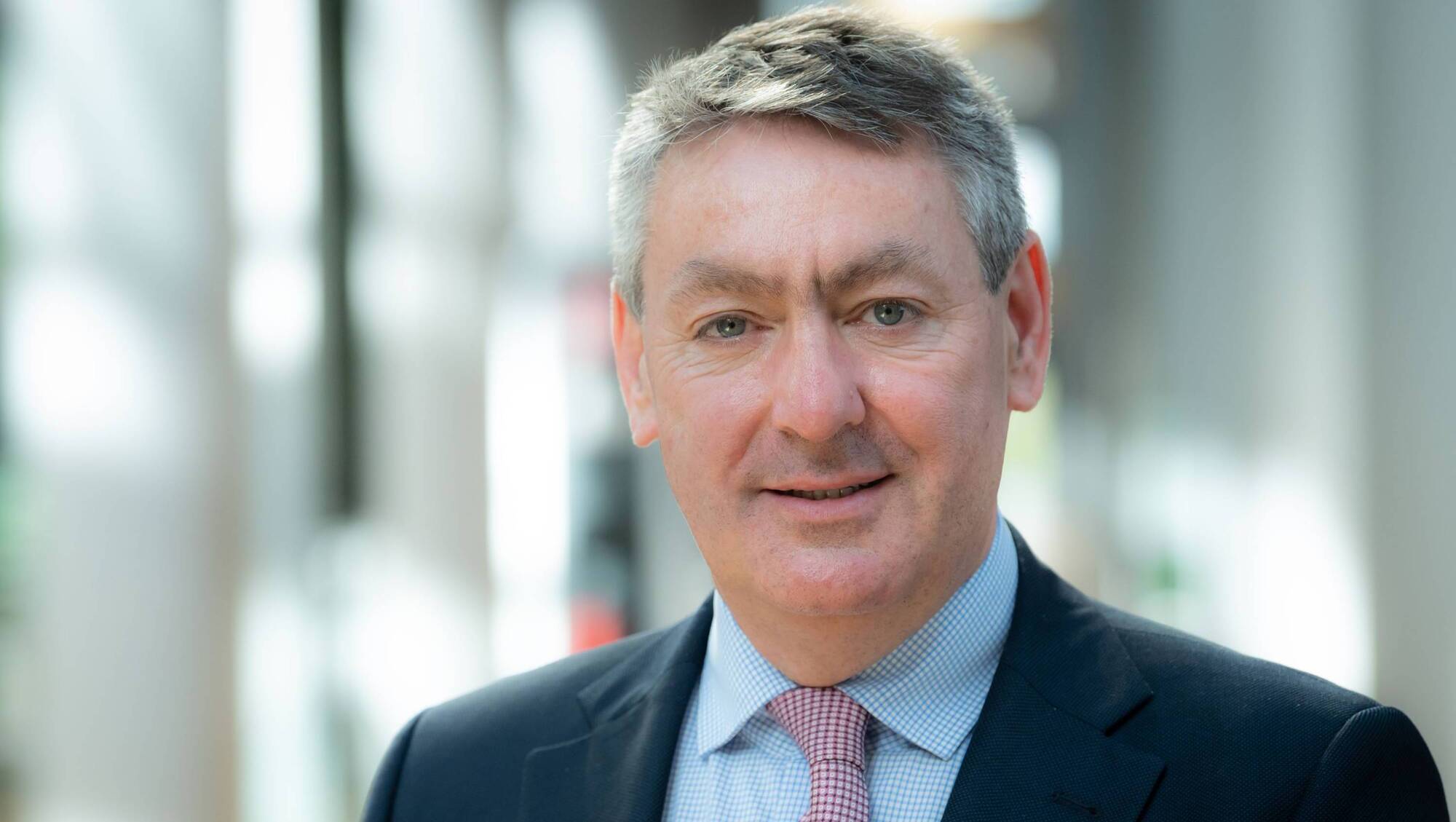
Billy Kelleher has wished Catherine Connolly well in her new role, praising her for her first months in Áras an Uachtaráin.
Billy Kelleher has had quite a year.
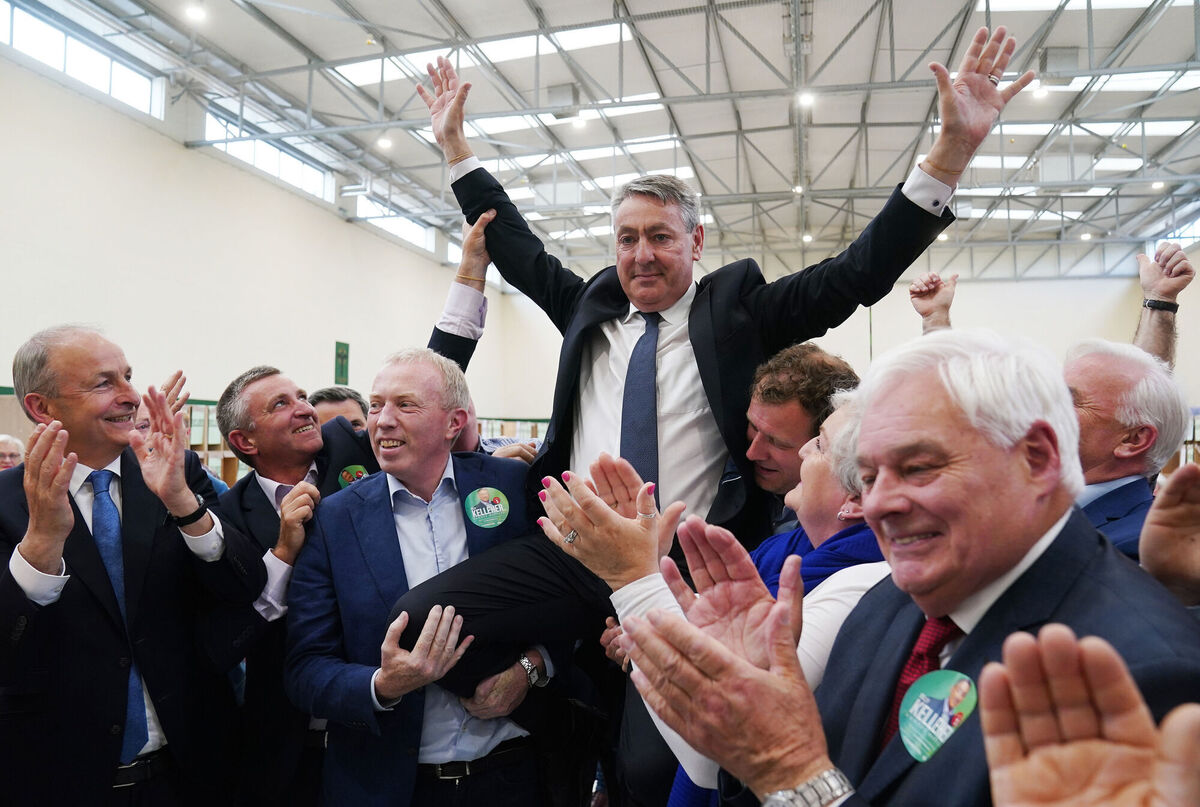
He may not have initially expected it last January, but the Cork MEP took on the party leadership when he challenged Jim Gavin, and by extension Micheál Martin, for the party’s presidential nomination.
Ultimately, he lost out in that challenge, but came closer than might have been expected after Gavin had been so fiercely pushed by the party hierarchy. He maintains that he would have been a successful candidate who could have bested both Catherine Connolly and Heather Humphreys, had the party vote gone his way.
“I believe that I would be reflective of a modern Ireland, and I think that a lot of people would have engaged with me and supported me in that,” Kelleher said.
“Unfortunately, let’s be honest, we ended up in a situation where, towards the end, it was basically a one-horse race. The public, because of what happened, they didn’t have enough choice.”
On Connolly, Kelleher wished her well in her new role, praising her for her first months in Áras an Uachtaráin.
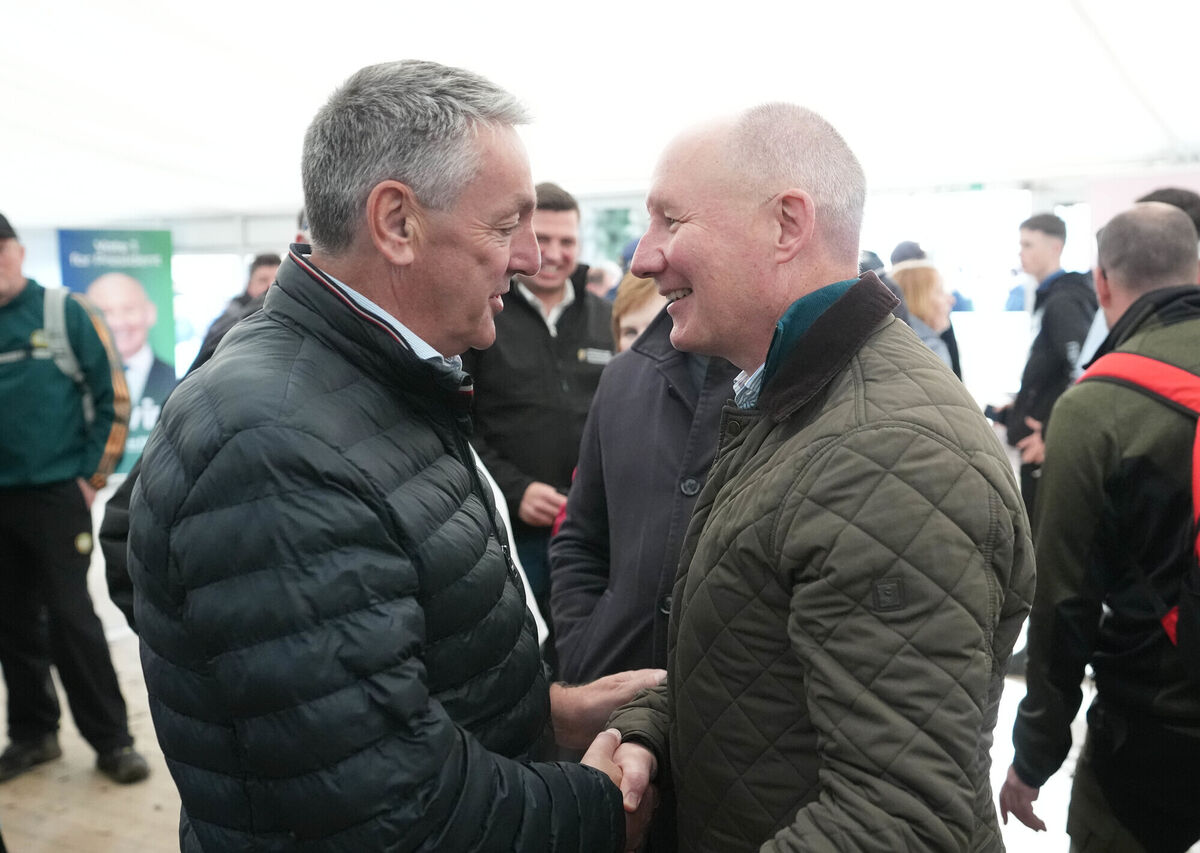
“I’m a fair-minded person. You have to judge a person over a period of time. She’s started out very well,” Kelleher said, citing her meeting with Ukrainian President Volodymyr Zelenskyy. “I’m quite sure that she will be a fine president.”
He said issues like Ireland’s place in the EU and the debate on a united Ireland would be key in the years ahead, alongside extremism in Europe.
“We reference America’s relationship with Europe, I think the Irish President will be a critically important role that could be played there to maintain links between Ireland and the United States. It would have been something that I would have been really looking forward to.
“We do have to start broadening out that debate around what a new Ireland looks like, in terms of the Good Friday Agreement, the respect for those in the North who would like to reside in a United Ireland.
“They’re as entitled to articulate that position as a person in the North who’d like to reside in the UK.”
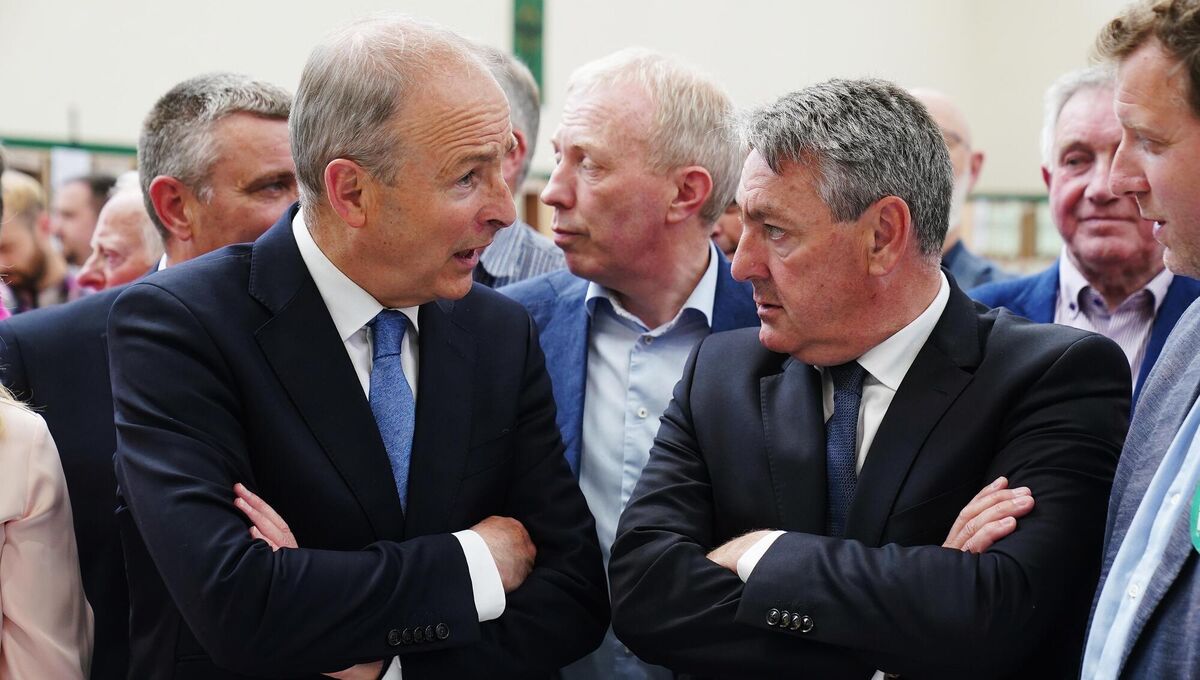
Kelleher said this did not happen with his possible candidacy, adding he now wanted to see Fianna Fáil return to being a membership-based organisation where people join “because they believe in something".
On the EU’s relationship with the US, Kelleher believes it has been “fractured” by the Trump presidency, highlighting the new US National Security Strategy, which he labels as “deeply worrying”.
He said it has “raised alarm bells” across the EU about the Trump White House’s perception of the bloc. Kelleher called for Ireland to use its presidency of the EU next year to prevent “further drift and fracturing” of the relationship between the US and Europe.
This reset could be done through a major bilateral summit between the EU and US to “tease out the issues”.
“The perceptions that are being portrayed in the National Security Strategy, around the fact that they see the European Union as the energy, is deeply worrying from a geopolitical perspective,” Kelleher said.
“That they want to work with like-minded groupings and countries that effectively are ones that are trying to undermine the European Union.”
The policy document, published in December, outlines the US’s new approach to relations with Europe, saying the continent faces “civilisational erasure” over the next two decades due to migration and closer ties between member states.
It calls for the US to “cultivate resistance” within EU nations to try and alter “Europe’s current trajectory”.
“The larger issues facing Europe include activities of the European Union and other transnational bodies that undermine political liberty and sovereignty, migration policies that are transforming the continent and creating strife, censorship of free speech and suppression of political opposition, cratering birthrates, and loss of national identities and self-confidence,” the document states.
“Should present trends continue, the continent will be unrecognisable in 20 years or less.”
Questioned if the US is still a reliable partner for the EU, amid the radical new strategy, Kelleher said he believed the relationship had been “fractured”. He said the Trump presidency is all about 'America First', and it does not approve of EU regulations which impact on US tech firms.
“Of course, we’d like to explain to the Americans that regulation is not just to regulate American technologies or imports, it’s to regulate the entirety, be that European or American. We don’t discriminate.”
Kelleher said some regulations were “burdensome” and needed to be addressed as part of the EU’s moves towards simplification. “I think we’d like to be able to get an opportunity where we would sit down, rather than having continued megaphone diplomacy,” he added.
Asked about the policy of “cultivating resistance”, Kelleher said a situation arose previously where Vice President JD Vance “effectively” campaigned for the AfD party in Germany during a visit to Munich.
“That is deeply worrying. I mean, these parties are extreme right-wing. I don’t use that terminology lightly.”
The Cork MEP has been on the record about Fianna Fáil not having enough young members, speaking of a “demographic cliff edge” within the party. But how does he think the party should address it? Is it about a new, younger leader?
Kelleher says it's actually about “opening up the organisation to people” and actively recruiting new members. “But not just recruiting to get them in, recruiting because they believe they can contribute to the medium of Fianna Fáil to improve their community and their country,” he said.
He said, unless the centre delivers for people, particularly in terms of housing, the public will begin to look elsewhere, and that includes the extremes of politics.
For his part, Kelleher says he is focused on European politics after his presidential bid was unsuccessful.
But does he intend to go back to national politics? He is a bit more coy, saying: “You can’t say that because I contested the presidential nomination process within the party that I want to get back into national politics.
Pressed that he wasn’t explicitly ruling himself out, Kelleher says he’d need to take into account a “lot of factors” before coming to a decision in the future.
“Let’s be honest, I would much prefer if the party was in a position whereby [there] were plenty of people looking to stand for the party and that we were vibrant and active in terms of candidates,” Kelleher said.
He warned about the increased threats and violence against politicians, both online and in public, which is dissuading people from entering politics.
“That’s deeply worrying, and we’ve had some very high-profile cases of gross intimidation and threats of female politicians, and across the water, we’ve had politicians killed.”
Asked if he was worried Ireland might see a Jo Cox or David Amess moment, where a politician is murdered, such as happened in Britain in 2016 and 2021 at each respective constituency office, Kelleher said it was a concern.
He said it was a “fear” of many politicians, who hold their clinics in public regularly. “If we end up in a situation where we can’t participate in that open contact with constituents, it would be very worrying for me and very disappointing. We just have to be careful.”

CONNECT WITH US TODAY



Be the first to know the latest news and updates