Budget 2022: We need to approach cancer care with the same ingenuity we did Covid-19
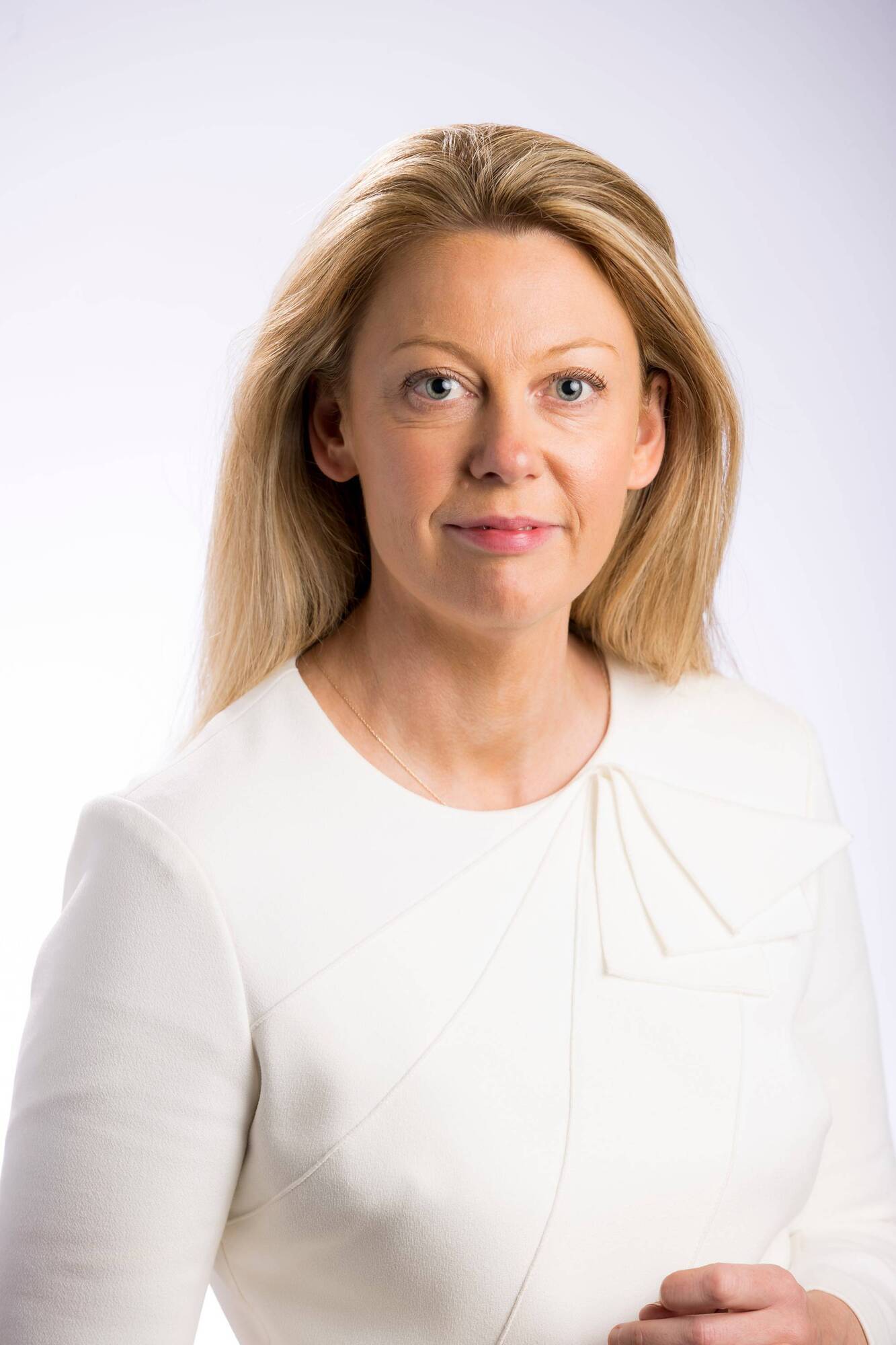
Rachel Morrogh of the Irish Cancer Society: 'This unacceptable reality in our health services is not simply down to the pandemic. The fact of the matter is the cancer system has been struggling due to long-standing vulnerabilities for many years predating the pandemic.'
Cancer care is in crisis at the moment, and we need to apply every bit as much of the support, focus and ingenuity that has been evident in how the Covid pandemic has been dealt with to turn things around.
Only two short years ago it would have been unimaginable that care for cancer patients would be disrupted to the extent it has been over the past 18 months.
Our healthcare professionals to whom we are all greatly indebted have rallied to ensure the most urgent cancer care has continued throughout the pandemic. However, the impact on services has been severe, with thousands of people experiencing delays for cancer screening, accessing diagnostic tests that can show the presence of cancer, and even cancer treatment itself.
In the Irish Cancer Society, we know that the pandemic has been, and continues to be, a hugely traumatic experience for both patients and the healthcare professionals working in cancer services.
We have heard patients tell us they could not have a family member’s hand to hold, knowing loved ones were outside waiting in car parks while they received news of a life-changing diagnosis.
On top of this devastating isolation, they have also had to contend with crippling service disruptions due both to the pandemic and May’s cybersecurity attack on the HSE.
It may come as some surprise for people to read that despite the life-saving nature of cancer care and record funding being allocated last year, there is still much competition for operating theatre space, beds, healthcare professionals, equipment and other essential resources. This is particularly evident in the challenges facing the specialty of surgical oncology, where surgeons and patients have endured unacceptably long waiting lists and competition for shared resources for years.
This all leads to delays in providing vital cancer care for patients at the earliest opportunity.
That said, this unacceptable reality in our health services is not simply down to the pandemic. The fact of the matter is the cancer system has been struggling due to long-standing vulnerabilities for many years predating the pandemic.
Some of these were due to chronic underfunding but many more were, and still are, systemic. There continues to be a fundamental mismatch between demand and supply; a situation that is resulting in huge backlogs in cancer care and endless waiting lists.
Some of these delays are due to waiting times for tests that diagnose cancer, while others are because of people putting off seeking medical advice for signs and symptoms of cancer.
We are so concerned by this that we have started piloting a new nurse-led nationwide outreach programme in communities where there are high cancer rates to encourage people to see their GP if they have cancer symptoms.
The length of waiting lists across cancer care and the myriad challenges facing the wider health system mean we are particularly concerned for those who are considered “non-urgent”. In the race to treat the most urgent disease, pre-cancerous conditions and early stage malignancies are falling in priority.
The chance to swiftly detect and intervene in situations where cancers reoccur in an early stage is also lapsing as these people face long delays for access to routine scans.
Immediate action is needed to turn this situation around. That is why we need Budget 2022 to deliver for cancer patients and for those who work in the cancer system, as we believe there is a small and rapidly-diminishing window of opportunity to make strategic investments that will help build a sustainable cancer system.
Our pre-budget submission asks for €30m be earmarked for the National Cancer Control Programme to build a resilient cancer system that can withstand the test of time and the many difficulties that will be thrown at it in the coming years, as well as a further €15m to deal with existing waiting lists and an expected surge in demand over the coming months and years.
Despite everyone’s best efforts, without the necessary capacity, workforce and resources needed to meet demand, underpinned by a new approach to cancer care, all anyone has been able to do is to try and stop a flood with a leaky bucket.
The scale of the problem has left cancer care at a truly critical juncture and only a radical Government-led response to this crisis will give patients the care and services they need and deserve.
- Rachel Morrogh is director of advocacy at the Irish Cancer Society

CONNECT WITH US TODAY



Be the first to know the latest news and updates