Vaccines 'exceeding expectations' and performing remarkably well, say scientists
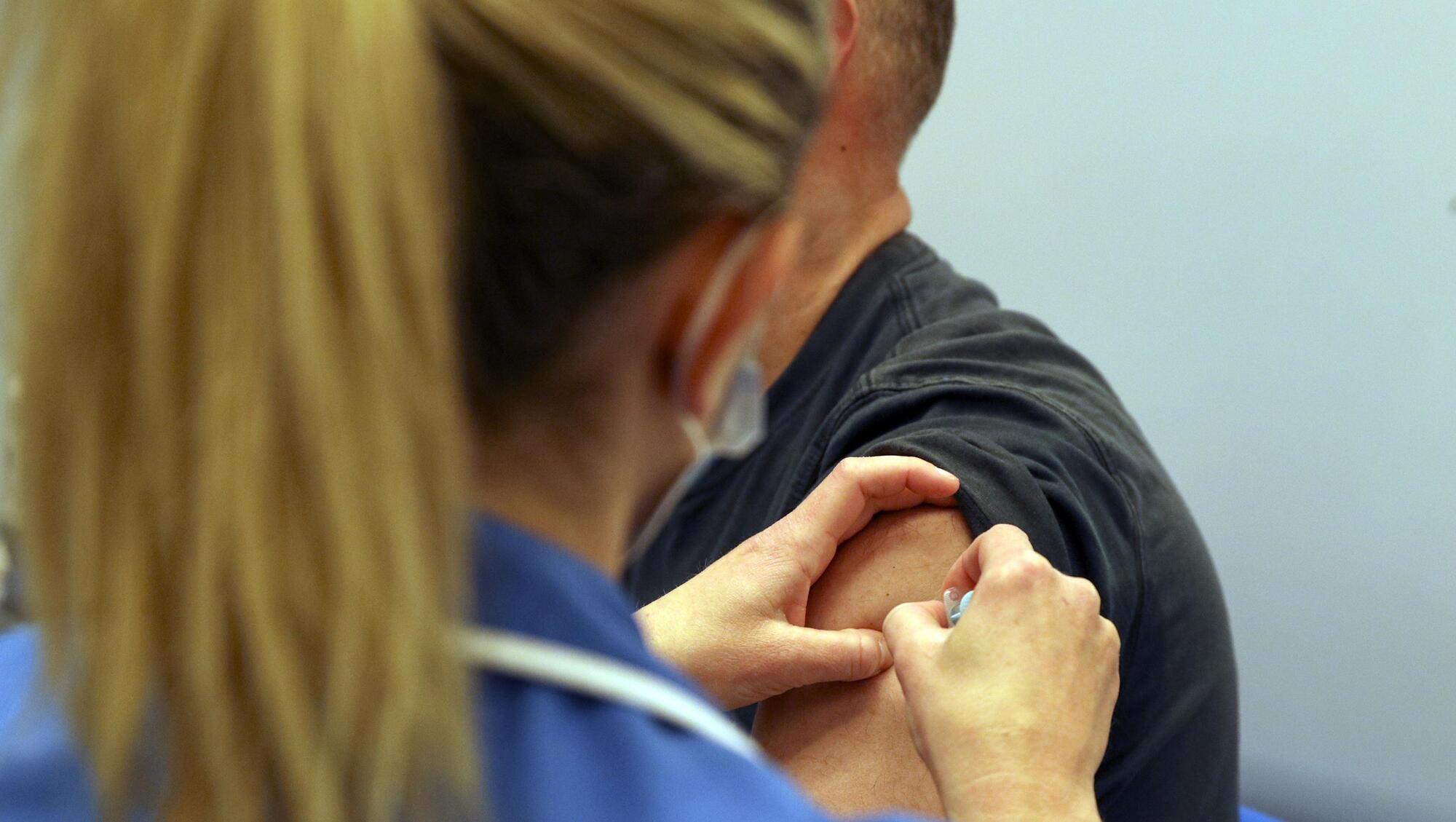
There is good evidence from early real-world data that Covid-19 vaccines are working after the first dose, experts have said.
It has been a long pandemic and feels like an even longer lockdown. Vaccines are the path out, they tell us, so five months into the global roll-outs, what have we learned?
It is fair to say scientists are excited about the vaccines available to Ireland; mRNA shots from Moderna and Pfizer/BioNTech, and adenovirus vector jabs from AstraZeneca and Johnson & Johnson (J&J).
“Several of the globally authorised vaccines, especially the mRNA and adenovirus-vectored ones, have exceeded expectations and protect remarkably well against death and severe disease,” said the authors of an analysis published in the European Centre For Disease Prevention and Control (ECDC) journal.
They noted reducing infections, and said vaccines are “likely also reducing transmission and contributing to indirect protection in the community.”Â
The latest British Covid-19 Infection Survey said infections fell by 65% after just the first dose of AstraZeneca or Pfizer, rising to between 70 and 90% after two.

Both were effective against B.117, also the dominant variant in Ireland.
For people worried some vaccines are better than others, the studies found “ no evidence” results differ between the two.
Waiting longer between doses — as in the UK for all vaccines and here for AstraZeneca — is not a concern.
Public Health England said this week for the minority who get Covid-19, despite having the first jab of either AstraZeneca or Pfizer, “vaccination reduces transmission” by up to 50%.
Research continues to find the impact of two-shots on transmission.
An Italian study also published by the ECDC found two Pfizer jabs prevented 84% of symptomatic and asymptomatic infections in healthcare workers.
We now know if you had Covid-19 within six months of a first vaccine, you only need one shot. Good news for anyone with a needle-phobia.
J&J is the new kid on the block, only used in America for a short time so large real-world studies are not available.
In a message published by The American Medical Association on Tuesday, Dr Sandra Fryhofer advised: “These vaccines have not been tested head to head, so it’s impossible to do a really accurate comparison. They are all effective at preventing the most severe Covid outcomes, including hospitalisation and death.”Â
A US study looking at Moderna and Pfizer found this week they cut hospitalisation for older people by 94%.
Some vaccines are now limited to older ages based on rare risks to younger people following reports during the roll-outs.Â
“We are living in the test tube,” said University College Cork professor Gerry Killeen.
But the only absolute contraindication to vaccination is an allergic reaction to the vaccine or ingredients according to the HSE.
In the UK, the NHS has launched a study with “people who are highly allergic or have a mast cell disorder" examining risks for a serious reaction to mRNA vaccines.
New research in medical journal found side-effects reported for AstraZeneca and Pfizer during clinical trials happen less frequently in the real world.
Vaccine developers have also been tweaking their products to beat the variants. It seems likely boosters could be part of our winter routine.
By December, we will know even more, University of Limerick immunologist Dr Elizabeth Ryan predicted — when we hit the one-year anniversary of the first Covid-19 jab.
Up to Wednesday, about 1.04 billion Covid-19 vaccine doses were given globally, or 14 doses per 100 people. In Ireland, 11% of adults have two jabs, and 28% their first.
It is working. The Central Statistics Office said 15 people died from the virus in the week to April 16 compared to 317 in the last week of January.
The HSE say cases have declined more quickly in the over-80s who are almost all vaccinated “showing the positive impact of the vaccination programme".