Teachers and parents are partners, not opponents
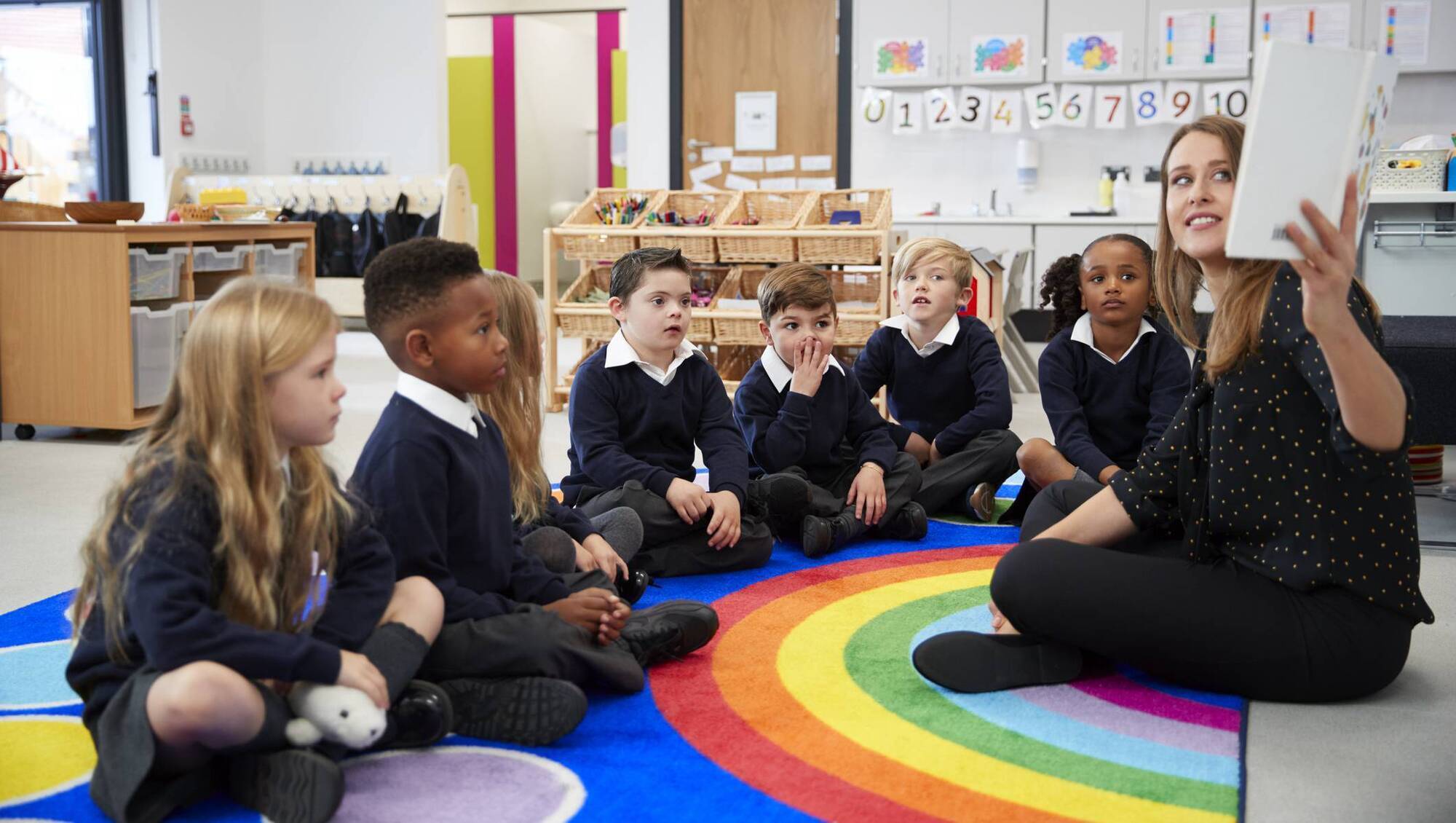
Teachers want to avoid damaging the parent-teacher relationship by failing to respond to evening or weekend messages.
WE ALL know that parents want what is best for their children. Our research, however, shows that teachers do too, and that both parents and teachers can act as powerful catalysts in understanding and supporting each child’s individual needs.
At the same time, it is important to acknowledge that these relationships can be complex, and that parent–teacher interactions, while often positive, can sometimes contribute to teacher stress or burnout.
Teachers have responsibilities under Part 7 of Circular 0056/2011, which specifies that they must report to parents at least twice during the school year — once in writing at year’s end and once through a meeting or combination of both. In practice, though, communication happens far more frequently. Teachers interact with parents daily through homework notes, emails, and school apps such as Seesaw, as well as through formal and informal (often unannounced) meetings.
This new reality of constant, two-way communication deserves attention and has grown in magnitude since covid.
While technology has made it easier for parents to stay informed, it has also blurred boundaries. Messages can arrive at any hour, and teachers are often expected to respond instantly.
Many report that the expectation of constant availability, coupled with the volume and tone of communication, can be stressful for teachers. Oftentimes, systemic issues are personalised to the individual teacher, and the demands exceed what the teacher can realistically deliver.
Teachers want the best for the young people in their classrooms, and they don’t want to damage the parent-teacher relationship by failing to respond to evening or weekend messages. More broadly, we know that when immediate responses aren’t forthcoming, small issues can be unnecessarily escalated to other members of the school community (the ‘scattergun’ approach), which ultimately adds to the workload of all involved. While some teachers worry that parents may complain to the school if messages don’t receive an instant reply.
Anecdotally, we also know that reputational damage to the teacher can occur through parents’ Whatsapp groups.
Setting boundaries is, therefore, a collective issue rather than an individual failing on the part of the teacher.
Parents need to be reminded that teachers also deserve time to disconnect, while schools must empower staff to set reasonable communication boundaries. Respecting that balance ultimately benefits everyone, especially the children.
International research shows that when relationships with parents are positive, communication becomes a powerful enabler rather than a barrier for teachers. However, at times, teachers must discuss concerns about a child’s learning, behaviour, or social development.
These conversations can be challenging for both sides.
Teachers’ observations come from a place of care and professional responsibility. Approaching such discussions with openness rather than defensiveness allows genuine collaboration on what supports the child best. However, when emotions run high or communication breaks down, this can result in physical and emotional abuse towards a teacher, leaving teachers burnt out.
At primary level, every June, parents receive their child’s standardised test scores along with the annual report.
Too often, these scores are viewed as a judgement on teaching quality or even on the child’s worth.
But a test score is only a snapshot of performance on one day.
Many factors can influence results, including time management, motivation, test anxiety, and even cultural familiarity with assessment formats.
These scores are useful, but should not be viewed as definitive measures of a child’s ability or a teacher’s effectiveness. The most meaningful concern a parent should have is: Is my child happy? As we know from the research, happy children learn.
Findings about parental expectations should not be interpreted as “parents should stay quiet” or “drop children at the school gate and leave teachers to it”. Neither should the findings be read as a licence for teachers to dismiss legitimate questions. That would be a serious misreading and potentially very harmful to children’s learning.
Parental expectations are one factor among many structural drivers of burnout; they are not a scapegoat.
The aim is always to improve the quality and sustainability of school-home interaction, not to curtail it. However, if teachers are experiencing burnout, their capacity to engage constructively with parents is diminished. Moreover, we know that burnout may lead good teachers to leave the profession.
Teachers are the “one good adult” for so many children. The role of the teacher extends far beyond teaching and learning; teachers become mentors, advocates, and emotional anchors, particularly for students who may not have strong adult support networks outside of school. For some of these children, teachers may be the ‘one good adult’.
The teacher may be the most consistent and reliable adult presence in a child’s daily life. These relationships cultivate belonging, stability, and emotional security, which underpin engagement, motivation, and resilience.
Ultimately, parents and teachers want the same thing: Children who thrive academically, socially, and emotionally, and are ready for the world and all its challenges. When communication is respectful, boundaries are clear, and mutual trust is strong, the partnership between home and school becomes the foundation for every child’s success.
- Catherine Furlong, Pia O’Farrell, and Sabrina Fitzsimons are researchers at DCU’s Centre for Collaborative Research Across Teacher Education