Dr Niamh Lynch: Children of Covid are the canaries in the coal mine
Dr Niamh Lynch, consultant paediatrician, Bon Secours, Cork.
We are all familiar with the phrase ‘canary in the coal mine.’
Until as late as 1986, these beguiling little birds accompanied miners deep into the coal mines, chirping endearingly.
Silence indicated that they had succumbed to carbon monoxide, and that it was time for everyone to get out of the toxic environment, quickly.
Special cages were filled with oxygen in order to revive the canaries. Without oxygen, the poisoned canaries fell silent forever.
I am noticing a new trait in my children. Silence. I notice it in my young patients too. Gone are the sounds of giggling, bickering, squealing, shouting.
Children need oxygen to survive, just like the canaries, but they need security, love, routine, play, and joy in order to thrive.
In this toxic lockdown environment, they have become withdrawn, anxious, irritable, and silent.
Children have become sedentary. A recent study from Canada showed that only 5% of children aged 5 to 11 were meeting the recommended amounts of daily physical activity and sleep, and a meagre 0.6% of youths aged 12 to 17 met the recommendations.
In my own patients, I am seeing a loss of physical fitness, and significant weight gain in some.
Children have become anxious. Childhood is a critical period for development, and pre-pandemic, half of all mental health disorders developed before the age of 14.
Paediatricians around Ireland are reporting an increase in presentation to emergency departments by children suffering with acute psychological symptoms.
The prevalence of eating disorders is also on the rise amongst children.
A recent study of the effect of the first lockdown on Irish families by NUIG Maynooth paints a stark picture of distress, of children fretting about the news they hear on the radio, of teenagers awake late into the night, only to sleep all day, or while away the hours on the sofa, staring at their phones.
Children have been bereaved. Many children will have lost relatives to Covid 19. Those who have lost loved ones, for whatever reason, will not have had the chance to grieve in the normal way, to feel the warm embrace of their extended family around them.
In many other ways, children have faced loss.
Children have been deprived. A briefing by the Royal College of Physicians Faculty of Paediatrics identifies the loss of time in school affecting all children, with an average expected loss of lifetime earnings of 3%, and those in deprived situations losing out even more.
Children with additional needs, requiring speech therapy and occupational therapy, have lost their services due to the redeployment of those highly specialised workers to Covid services.
The authors of this report are unequivocal in their recognition of the vital role school plays for all children, but particularly those already at a disadvantage.
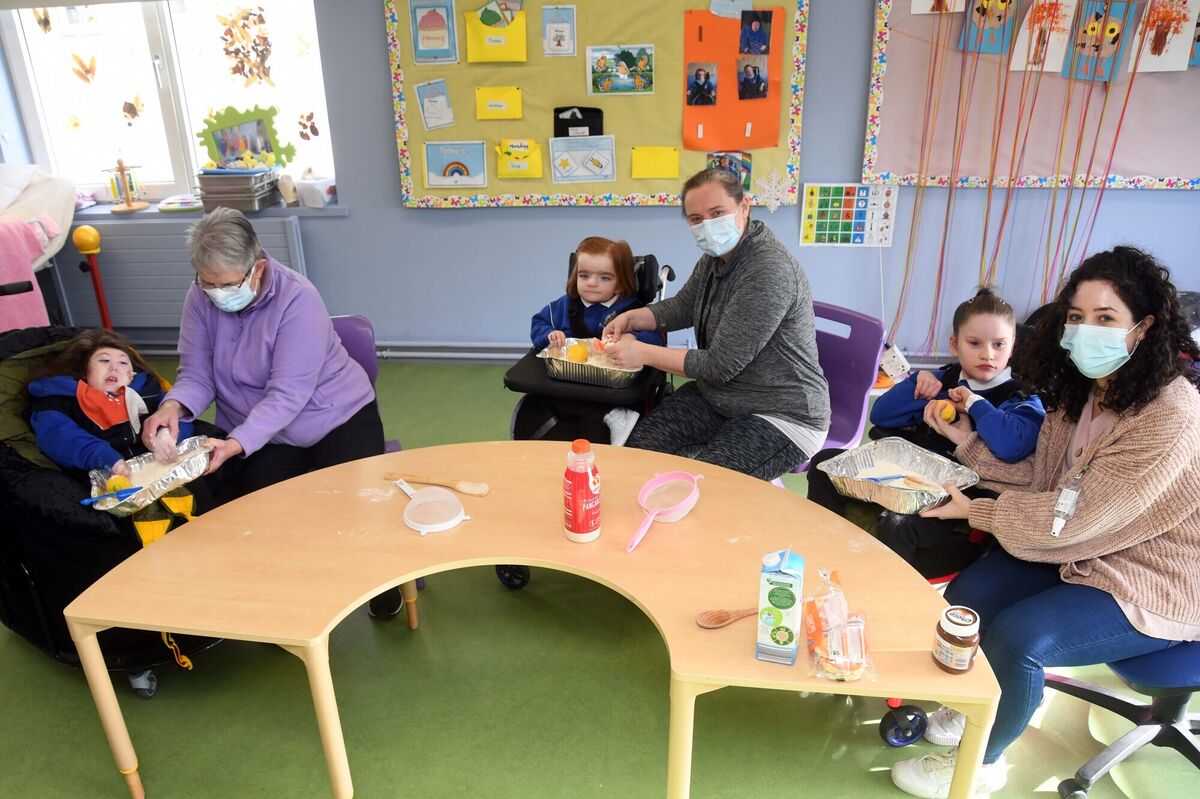
Children have been unheard. Parents frantically juggling online schooling, working from home, hanging on to their jobs, losing their jobs, have barely had time to look up from their own desperate situations and say ‘we need a hand over here’. Children themselves are voiceless.
Representations on behalf of children, by paediatricians, children’s charities, and even the quietly eloquent ombudsman for children, Niall Muldoon, appear to go unnoticed.
And now, two new red flags timidly raised, to dash the hopes of any return to school in the short to medium term.
A phased return to school is ‘subject to agreement with the education partners,’ and ‘new variants of Covid 19 have raised risk level,’ a spokesman informs us.
The current mantra is ‘schools will reopen when it is safe to do so’. We cannot wait passively until such a time as numbers are as low as they were last October. This is a silent emergency, and it requires a dynamic response.
Schools must be made safe, as a matter of urgency. Adequate space, appropriate ventilation, mask wearing, even for older primary school children.
Prioritisation of vaccination for teachers, at a minimum those with underlying health conditions. Robust support from adequately resourced public health consultants. Rapid antigen testing for older children and teachers.
These are small investments that will yield huge returns over many years.
Our children have fallen silent, and those in power should be moving heaven and earth to get them singing and laughing and thriving again. But will they?

CONNECT WITH US TODAY



Be the first to know the latest news and updates