Charlie Flanagan: Magdalene survivors opened our eyes to what happened in the past

THE past is a foreign country. If only. Last week, the past lined up right beside us and showed itself, once again, to be an all too familiar, dark place.
In this case, the issue was adoption. Soon, a number of our fellow citizens will be given the hugely traumatic news that they are not actually who they think they are.
We have to accept, again, that handing over power and responsibility to unaccountable institutions, often religious ones, which we have readily done historically, has served neither those institutions, nor us as a society, well.
So, what are we to do?
The past will not stop presenting itself to us until we heed the lessons that are to be learned from it. And the trauma that has followed into the present will not begin to subside until we open ourselves to all those who were victimised, degraded and cast aside, and until we are willing to hear what they have to say.
As a Government, we are trying to do that. And over today and Wednesday, we will get an opportunity to join with, and hear, a group of women who were subject to that dreadful tendency we had to victimise, degrade, and cast aside.
They are survivors of Magdalene Laundries and will gather in Dublin to be honoured and heard.
In February 2013, then taoiseach, Enda Kenny, made his historic State apology to the women who toiled in the nation’s Magdalene Laundries, apologising in particular for the burden of stigma and shame that the women had been forced to carry throughout their lives.
He acknowledged the profound impact that listening to their stories had had on him.
Hearing the women tell him of the long days and nights, turning into years and sometimes decades, of not knowing if they would ever see freedom again, moved him profoundly.
Hearing their stories of pain and isolation, and denial of opportunity, upset him. And hearing them speak of their abandonment by a State that was supposed to care for them, to ensure their dignity, and to protect their rights, he became determined to make amends.
Justice John Quirke listened to the women, too. And his restorative justice scheme, which followed on from the apology, has, in large part, been implemented.
But there have been gaps, there have been disputes, and there have been delays. I want to make my own apology for those and say that over the next two days, and more generally in our response to the Ombudsman’s concerns over those delays and failings, we, too, are trying to show a real capacity to listen.
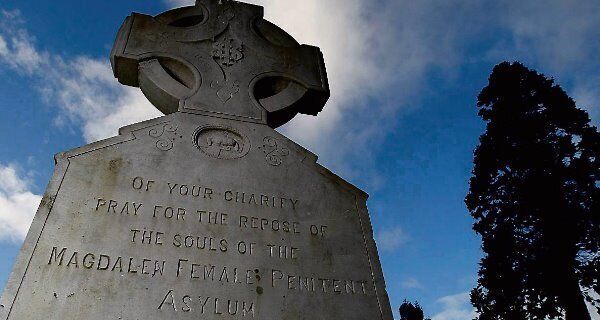
Justice Quirke’s recommendations were, firstly, that women who had worked in Magdalene Laundries should be facilitated to meet so they could listen to each other; and, secondly, that they be consulted about memorialisation of their experiences.
I am delighted that a group of campaigners helped these two particular recommendations come to fruition, and I was only too glad to facilitate their invitation to the women and also to support the event financially.
It is a true privilege for both me and my officials to be in a position to do something so practical, so helpful, and, I hope, so meaningful.
The stories I have heard, over the past week, of the efforts being made by some women to get here, and by the organisers to facilitate them, are truly humbling and I am really looking forward to welcoming the women to the Mansion House, along with the Lord Mayor of Dublin, Micheal MacDonnchadh.
Meanwhile, I know the women themselves are particularly looking forward to visiting Áras an Uachtaráin, where they will be greeted by President Michael D Higgins.
Indeed, it feels only right that a group of citizens who were treated so harshly would get the chance to be feted and shown such respect by none other than our first citizen.
But I know that the glow of the next two days will fade.
And some will still feel short-changed and disappointed.
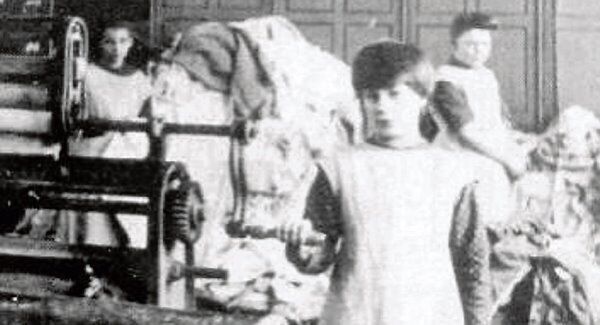
I want to acknowledge the Ombudsman’s criticism of the administration of Justice Quirke’s scheme and to put on record, again, my and my department’s determination to address his concerns in full.
Indeed, just last week, the Government agreed to admit to the scheme those who worked in Magdalene Laundries while living in a co-located institution.
And Mary O’Toole, SC, is working through the other issues: disputes over length of stay, and matters of decision-making capacity.
So, we are doing what we can.
We have many reasons to be grateful to the women who were confined in the Magdalene Laundries. They have played a huge part in opening our eyes to just some of what was happening in that past, which we might prefer to see as a foreign country.
Perhaps, if we learn as much as we can from them, it will be a foreign country someday.
CONNECT WITH US TODAY



Be the first to know the latest news and updates