Chair lays down marker she’s not to be messed with
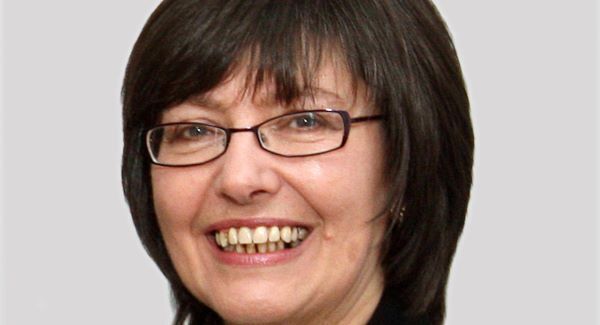
Asked by the Irish Examiner was she happy the Policing Authority was sufficiently independent, the chairwoman replied: “I’m happy that the bill gives the authority as much independence as it can do, in the context of the Constitutional parameters that are there.”
She added: “I think those of you who have met me before will know I am fairly independently minded myself, so you can take it I will be exercising that independence to the fullest extent that the bill allows.”
Justice Minister Frances Fitzgerald, who selected her, gave a smile suggesting a familiarity with that independence. Ms Fitzgerald robustly defended Ms Feehily last November when questions were raised about the independence and transparency of the appointment process.
DISCOVER MORE CONTENT LIKE THIS
That process — raised again yesterday by the Irish Council for Civil Liberties — to one side, Ms Feehily has laid down a clear marker that she is not to be messed with.
It will be crucial for the agency she has that force of personality, wedged between the Department of Justice and Garda.
The legislation establishing the body will take time to analyse. There are definite powers granted to it, including devolution to it of controversial government powers in relation to the appointment of senior officers, from superintendent up. For deputy commissioners and commissioner, the Government will remain the decision maker, but the authority will nominate the candidates.
On policing matters, the commissioner will now answer to the authority.
Numerous powers are subject to the ministerial consent — including the drawing up of policing documents.
The legislation contains an interesting provision where the minister, with government approval, may issue “to the authority written directives concerning any matter relating to policing services”.
There are powers still in the hand of the department, but where the authority has a right of consultation, such as budgets, resources, and recruitment. There are areas, namely State security, which remain under the authority of the minister, but which the authority can have “regard to”.
In relation to overlaps between policing and security, Ms Feehily said this was “to be tested”.
The authority, she said, would be a “critical friend” of the gardaí.
If the experience of the Garda Ombudsman shows anything, it will take years for that ‘friendship’ to take root.
DISCOVER MORE CONTENT LIKE THIS
CONNECT WITH US TODAY



Be the first to know the latest news and updates