Seán Barrett has questions to answer in Dáil row
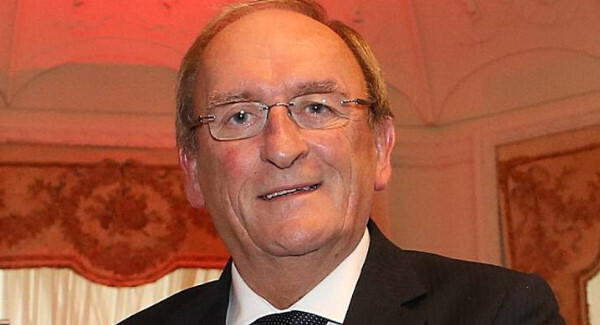
The row over Ceann Comhairle Seán Barrett’s decision to refuse to allow debate on the terms of reference for the Higgins Inquiry is set to run... and run, writes Michael Clifford

Seán Barrett has questions to answer in Dáil row

Seán Barrett may turn out to be the latest victim of Alan Shatter’s distinctive personal traits. The Ceann Comhairle is joining an impressive list, that includes Mr Shatter’s old chum, Enda Kenny, his former colleagues in cabinet, and his nemesis, Sergeant Maurice McCabe.

On taking office as Minister for Justice after the 2011 general election, the talented Mr Shatter was all set to leave his mark on this Dáil. That he has done, but not in the manner he may have envisaged.

Last week, Mr Barrett created ructions in the Dáil by refusing to allow any debate on the terms of reference for the Higgins Inquiry, which is being established on foot of the Guerin report into malpractice by gardaí in the Cavan area.

The report was the result of complaints made by Sergeant McCabe about some practices he observed while station sergeant in Bailieborough. Guerin recommended a commission of inquiry be set up, and he made criticism of Mr Shatter, which led to the minister’s resignation last May.

Mr Shatter has never accepted Guerin’s criticism. His main beef is that he was not interviewed by Guerin. In June, he used the privilege of the Dáil to attack Guerin’s report, in a manner that might have attracted legal action from Seán Guerin had it been done outside the House.

The following month, Mr Shatter launched a legal action to overturn Guerin’s criticisms on the basis of bias.

Move it on to November 25. The Ceann Comhairle received a letter from Mr Shatter’s legal firm, Gallagher and Shatter, requesting the former minister should not be included in the terms of reference for the forthcoming inquiry, to be chaired by former judge Kevin Higgins, on the basis of his pending legal action.

He also asked that there be no debate on the terms of reference as this may interfere with the separation of power between Oireachtas and the courts. A few weeks later, an identical letter was dispatched to the Taoiseach.

As a citizen, Mr Shatter is perfectly entitled to attempt to stymie debate and have his name excluded from a pending inquiry. As a long-standing parliamentarian, and former minister, his actions are unsettling.

If he believes he was wrongly fingered in Guerin, surely he can only see complete vindication in any fuller inquiry. Surely, such vindication would afford him the opportunity to don the garments of a man badly wronged, and open up public mourning for a ministerial career lost to the nation.

Surely, a man with Mr Shatter’s considerable legal brain would not have expected a High Court judge to be influenced by the hurly-burly of Dáil exchanges.

Can you imagine the same man’s reaction if another parliamentarian attempted to shut down debate as he has done? A withering response, delivered from the heights of righteous indignation, would have shot across the floor of the House.

Once again, he has drawn his old buddy Enda Kenny into the controversy. Mr Kenny told the House last Wednesday he had received the correspondence from Mr Shatter. Why didn’t he tell the Dáil about it last December? The inquiry to be set up is answerable to the Oireachtas, not the Government. Surely he was obliged, on receipt of the letter, to at the very least consult other party leaders in the Dáil.

Instead, he kept schtum. On Tuesday, Mick Wallace noticed the Dáil’s schedule for Wednesday had been altered to remove any debate on the terms of reference. He asked Mr Kenny whether this was due to an intervention by Mr Shatter. The Taoiseach didn’t reply — and reportedly shook his head — saying the decision was down to the Ceann Comhairle.

Only after sustained questioning on Wednesday did Mr Kenny admit he had received the correspondence. Once again, it would appear the Taoiseach, who has presided over an alleged “democratic revolution”, sees the Oireachtas as little more than an irritant to governing.

Seán Barrett also has questions to answer. On Tuesday, he informed the Taoiseach about his decision to not allow any debate on the terms of reference because of Mr Shatter’s court action. In doing so, he invoked a standing order that compels the House to be careful not to stray into the realm of courts or tribunals of inquiry.

The rule states that “a matter shall not be raised in such an overt manner so that it appears to be an attempt by the Dáil to encroach on the functions of the courts or a judicial tribunal”.

Yet there are a number of precedents in which the Dáil debated terms of reference while court actions on a matter were in train. These include the setting up of the Morris Tribunal in 2002, a number of inquiries into clerical sex abuse, and even the setting up of the bank inquiry. In 2007, then Ceann Comhairle John O’Donoghue permitted statements on Bertie Ahern’s finances, although the matter was being dealt with by the Planning Tribunal.

Mr Barrett has claimed his decision was not influenced by Mr Shatter’s letter, but that infers had he not received any correspondence he would have taken exactly the same decision. That position requires further clarity.

To Mr Barrett’s credit, he refused the request to exclude Mr Shatter from the inquiry’s terms of reference. But his decision not to allow debate seems to have been informed by very poor judgment. His subsequent claim the opposition was out to get him has upped the stakes considerably. As of now, his tenure in office hangs in the balance.

“That man again,” Mattie McGrath roared in the Dáil at the height of the controversy last Wednesday.

It sure is. This time last year, Mr Shatter’s mishandling of the garda whistleblowers issue was in full swing, already muddling down the road towards his resignation and a major loss of political capital for the Government.

The former minister’s personal traits weighed heavy on that journey. Those traits of supreme self-belief, a streak of stubbornness, and disdain for anybody who opposes him, were assets at the outset of his ministerial career.

He got things done. He faced down vested interests. He was the first Minister for Justice to robustly take on the well-padded legal business.

Then he backed the wrong horse when the garda commissioner came into conflict with Mr McCabe, and former garda John Wilson. The same personal traits ensured Mr Shatter was incapable of retreating gracefully, or admitting a temporary lapse of judgment. The end result was a unique resignation in Irish politics, one based on plain old political incompetence, rather than any personal impropriety.

Of late, the talented Mr Shatter has applied himself to, as he sees it, clearing his name. Now it would appear Seán Barrett may have found himself entangled in that single-minded mission.

More in this section

Revoiced

Newsletter

Had a busy week? Sign up for some of the best reads from the week gone by. Selected just for you.

Cookie Policy Privacy Policy Brand Safety FAQ Help Contact Us Terms and Conditions

© Examiner Echo Group Limited