Strain within civil service exposed by paper
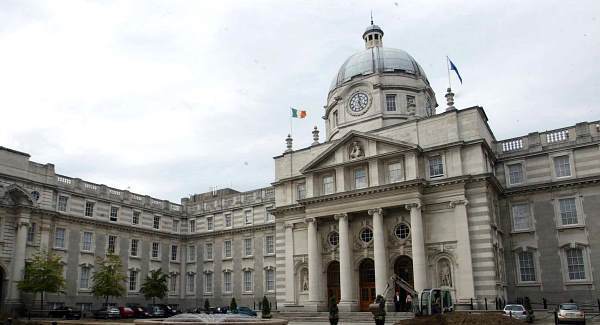
FRANK assessments of the dynamic within the civil service coming directly from those currently charged with watching over it are rare.
But a recently prepared document by the most senior auditors working in Government departments has exposed the tension that exists.
It has documented the battle-lines between perceived political careerists appointed by Taoiseach Enda Kenny to run the departments and the permanently employed officials who are afraid to speak up.
The paper paints a picture of a structure that, in the eyes of those who monitor the spending habits, is polluted by ministers motivated by a ‘look-at-what-I-have-delivered’ syndrome.
The document was prepared by the Heads of Internal Audit at the government departments. Together, they monitor €1 out of every €8 which the State spends every year and watch over departments which employ 36,000 people.
It was unsigned and it is not clear what the make-up of this group is.
However, their work was submitted to the panel set up by the Public Expenditure and Reform Minister, Brendan Howlin, to look at strengthening civil service accountability and performance. The document was published on the Department of Public Expenditure and Reform’s website.
The department confirmed it was prepared by the Heads of Internal Audit at the government departments.
It was not responded to by the politicians past or present, who frequently, blame an unco-operative or excessively powerful ‘permanent government’ within the Civil Service that thwarts their reforming zeal.
The Heads of Audit oversee the proper spending of the Civil Service and provide the first line of defence before the accounts are sent for review to the Comptroller and Auditor General. Their paper accepts that there is a need to improve Civil Service accountability and that there were examples of its failures in banking regulation, housing market and the health service.
However, it says the current drive for sweeping reform risks being taken over by the appetite among the media and ministers for short-term dramatic change.
The auditors are critical of the private sector pressure for certain changes and they took umbrage at the apparent pontificating by voices from the business community.
“Often, [private sector critics] fail to see that they are the main contributors to the virtual bankruptcy of the country,” the auditors said.
However, their document reports that, when it comes to the civil service, the primary failure has been an inability or an unwillingness to “defend against poor policy direction by government and indeed the commercial world”.
The paper argues that improving the civil service should be about putting people in place with the intelligence to shout stop and the reassurance that this will not derail their careers.
“The civil service [needs] capable, intelligent managers, that have sufficient confidence in their legal positions/tenure of office that they can constructively challenge without fear of being sidelined or promotions being hampered,” it reads.
“Ministers often fail to appreciate that many of the problems stem from their own short-term political agendas and to some extent exaggerated election manifestos.”
The paper offers a direct comparison between accountability and oversight in the public and private sector.
It offers a stark contrast between the outcomes for officials who fail to deliver in the private sector and who lose their jobs to those in the civil service who receive limited sanction.
It says there is limited control over resources in departments and in effect all are equal and subservient before the Department of Public Expenditure and Reform.
“Everyone is told ‘no’,” it reads.
The auditors offered opinions on proposals to bring about more accountability.
Their work rejected the idea that senior officials should be kept in check by rolling contracts because this would lend itself to the short-term policy drives that jar with the long-term nature of good governance.
“The banking model and, indeed, many publicly quoted companies have been led astray by their short-term focus,” it reads.
THE document also rubbished the Government’s original proposal to create a new body to permanently oversee the effectiveness of departments. “This is really not a good idea, another layer with little to show for it,” it read.
The auditors ultimately said that whatever ambition there was for reform they saw difficulties in separating the “political and short-term nature of politics from those of the civil service”.
It also called for greater transparency and said the placing of more information in the public domain was a better means of keeping public bodies in check.
“Publishing information is one of the best ways to ensure transparency and encourage both compliance and reform,” it reads.
The document was part of the submissions for an independent panel looking at greater accountability.
However, as one of 40 submissions, it was not directly referenced or its points addressed in the report delivered to Mr Howlin on May 30. Some of its observations did chime with the eventual report by the panel headed by Professor Kevin Rafter.
The issues raised by the Heads of Audit underscored the continuing discord between the State’s auditors and the those who control the purse strings.
The Department of Public Expenditure and Reform has been in a long standoff with the Comptroller and Auditor General’s office over the effect of the recruitment moratorium on its ability to replace senior accountants with the skills necessary to police an expanding workload.
The Comptroller and Auditor General in turn relies on the work of the internal auditors to flag new problems and monitor the changes required to address old ones.
However, reports of the Comptroller and Auditor General have repeatedly pointed to a lack of resources in the internal audit divisions of public bodies and the lack of action on reports from this offices.

CONNECT WITH US TODAY



Be the first to know the latest news and updates