Spirit of our Celtic past
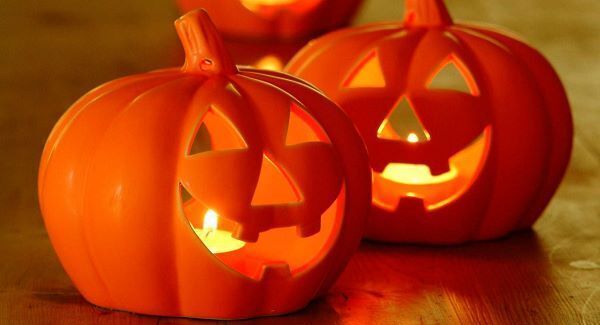
Halloween is a mish-mash of many cultures, but its roots can be found in Ireland’s pagan tradition, writes Carl Dixon.

Spirit of our Celtic past

AMONGST the notable exports from Celtic countries to the world at large — which includes St. Patrick’s Day, Guinness, Welsh singing, bagpipes and Bono among others — is the great Celtic festival of Samhain.

Now known as Halloween, it probably has the most enduring global impact and although co-opted by Christianity, filtered through the experience of the immigrant community in America and in recent times re-imagined by the media, many of its enduring traditions are derived from our pre-Christian past.

Christianity has historically been effective at overlaying its message on existing belief systems as it was difficult to eradicate traditional feasts that were tied into important agricultural patterns. Halloween is named after All Hallow’s Eve, which precedes All Saints’ Day on November 1st. Originally however, the festival of Samhain on October 31 would have marked the start of the Celtic year as the light of the old year faded and the dark, cold days of winter moved in. Thus it is the opposite of Bealtaine on May 1, which celebrates fertility and the warmth of summer.

Although we don’t have detailed records of how the Celts celebrated this festival, there are hints in archaeology and in medieval texts.

Jenny Butler is a lecturer in the Department of Folklore at University College Cork and she has a particular interest in traditions connected to the supernatural. She believes that Samhain, which roughly translates as summer’s end, would have been a hugely important celebration.

“We know that the Celts buried objects with their dead, which indicates a belief in an afterlife,” she says. “The spirit world was probably very important to them and was intimately connected with the landscape they lived in. There were, for example, sacred rivers and trees and they believed in fairies or sidhe. They believed that on this night, the veil between the land of the living and the spirit world is thin and permeable.”

At this time of year our Celtic predecessors would have decided how many animals they were keeping for the winter and the remainder would have been slaughtered. These animals were cooked in big fires and the word bonfire is probably derived from the words bone and fire. The last apples and nuts of Autumn would also be used up. With lots to eat and in all probability copious quantities of mead, this was a chance to let off steam before the cold embrace of winter. “We believe it was a huge feast,” says Butler. “There are references in relation to Tara of feasting for the three days prior to Samhain and for three days afterwards. The high King would light the first fire and people in the local area, on seeing the fire on the hill, would light their own. The fires may also indicate an element of sun worship; the bonfires mirroring the power of the sun which will soon fade.”

One can imagine that it was a period of drinking and dancing, of storytelling and mischief. A topsy turvy time, when the supernatural blends into the human world. Whilst the dramatic sense of occasion may have diminished over time, the concept that the membrane that separates this world from the next breaks down, has persisted. “On this night a meeting with relatives or loved ones who had passed on could be a positive thing and there were traditions of leaving doors unlatched and of leaving food out,” Butler observes.

“However if the barrier between worlds is weak there is a fear of what other dark creatures or spirits might also emerge. If such creatures were to stalk the land it would then be preferable to be in costume and unrecognisable.”

It was also believed that the fairies would emerge from their forts and even up to recent times many people were slow to venture out on this night. Whilst our mental picture of fairies has been distorted by the Victorian image of benign, whimsical creatures with translucent wings, for previous generations they were a real, visceral threat. They were capricious, sometimes malign figures who might steal away a human child and could take many forms. They could wreak a terrible revenge if crossed and yet if you were to do them a good turn, they could give a gift such as supreme athletic or musical ability.

The thin veil between the world also made foretelling more effective and many of the rituals associated with Halloween, to the distaste of the church, involved divination. “For example two nuts would be placed on the hearth next to each other,” says Butler. “They would be given the name of a couple you knew. If the heat of the fire made them jump apart then the couple would soon separate, if the nuts stayed together then the couple would stay together forever. Within the traditional bairín breac, or barm brack, finding a ring meant you would soon be married, a pea or rag represented poverty and a bean wealth.” This practice has now fallen by the wayside perhaps due to an almost pathological need to protect consumers from even the mildest of risks. Political correctness may also play a part, as finding a stick indicated that you would be beaten by your spouse.

Some of the behaviour and symbolism associated with Samhain was not dissimilar to that observed at wakes.

“There are many references to tricks being played at wakes, there is even an old reference to dancing with the corpse,” Butler notes. “There may have been a belief that the spirit was still present and the dance was an effort to keep the dead person involved in life for as long as possible. There were also sexually suggestive games; as often happens with death, the community needs to assert that it is still alive and potent. There was also a tradition that sharp blades were kept covered in case you cut the spirit of a dead person or perhaps a more sinister spirit by accident.”

The wave of emigration after the famine brought these beliefs to America, where the origins of these pagan rituals became ever more blurred. In the American cultural melting pot the festival also mixed with those of other traditions, such as the Mexican El Día de los Muertos or Day of the Dead, which also occurs at this time of year. The carved turnip with the lighted candle inside, which warded off evil spirits in Ireland, became the carved pumpkin. Traditional pranks morphed into ‘trick or treat’, which also drew on earlier traditions where children went around collecting sweets and eggs for a party on various festive dates in Ireland.

“Although we can pick out certain elements that we can trace back to their Celtic roots, it does become blurred by religion and other cultural influences,” Butler admits. ” For example the concept of a spell casting witch, which also has associations with bonfires, only came in later with the Normans. Films like Halloween and The Crow have brought new elements of horror into the mix and of course children have much less freedom to play tricks nowadays.”

It could be argued that in replacing fairies and spirits with horror and psychopaths we have just exchanged one form of fear for another. However when consumerism and individualism are in the ascendant, the erosion of a community celebration with its long held traditions does seem a cause for regret.

More in this section

Revoiced

Newsletter

Had a busy week? Sign up for some of the best reads from the week gone by. Selected just for you.

Cookie Policy Privacy Policy Brand Safety FAQ Help Contact Us Terms and Conditions

© Examiner Echo Group Limited