Palestine's battle for the olive harvest
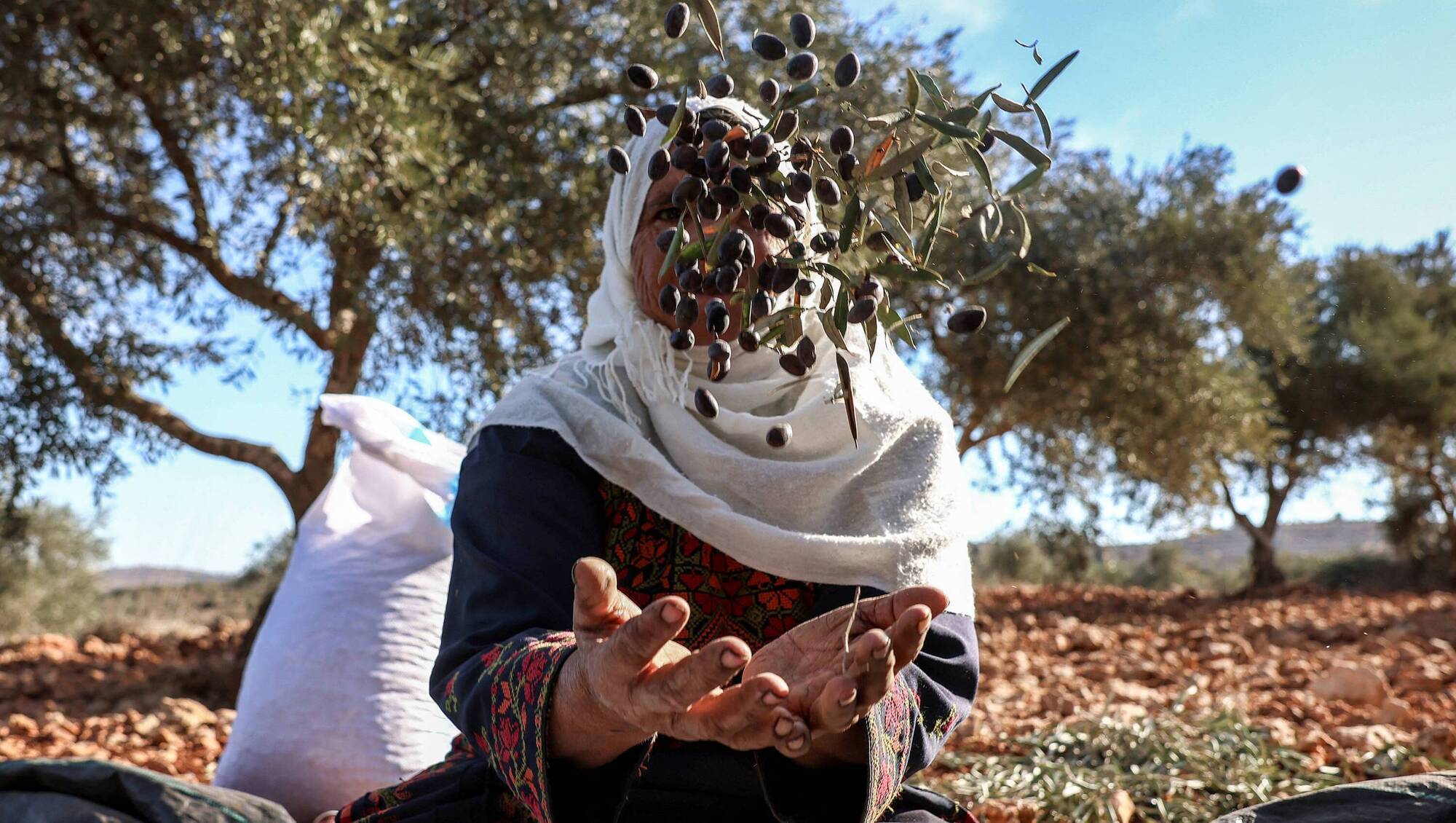
A Palestinian woman sorts olives during the harvest season in a Palestinian-owned olive grove in the village of Turmus Ayya, northeast of Ramallah in the Israeli-occupied West Bank. Picture: Zain Jaafar/AFP via Getty Images

“The olive tree does not weep and does not laugh.
The olive tree is the hillside’s modest lady.
Shadow covers her one leg, and she will not take her leaves off in front of the storm.
Standing, she is seated, and seated, standing.
She lives as a friendly sister of eternity, neighbor of time.”
From , by Mahmoud Darwish
An olive tree can be a grandparent.
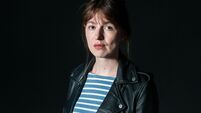
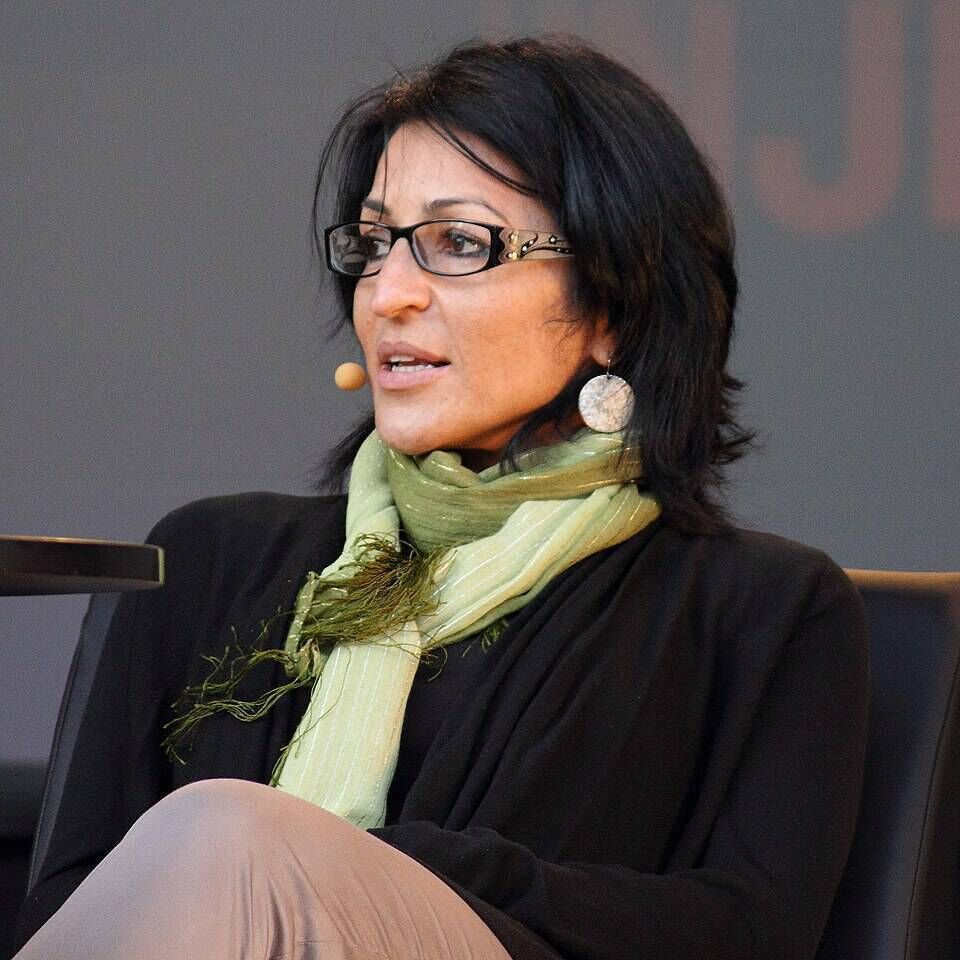
That is how Palestinian novelist Susan Abulhawa explains a relationship whose depth is difficult to convey through images of burning groves and farmers driven from their land by Israeli soldiers or illegal settlers.
A tree planted to mark a birth grows alongside the child. Generations tend it, gather its fruit and inherit responsibility for its survival.
“And so the older trees become like grandparents to us,” she says.
In the early pages of her novel , Abulhawa brings the Palestinian village of Ein Hod to life through the olive harvest of 1941.
Before the family at its centre experiences dispossession, readers encounter the seasonal work that sustains it: A community living on its land, with its own rhythms, attachments and expectations of another year.
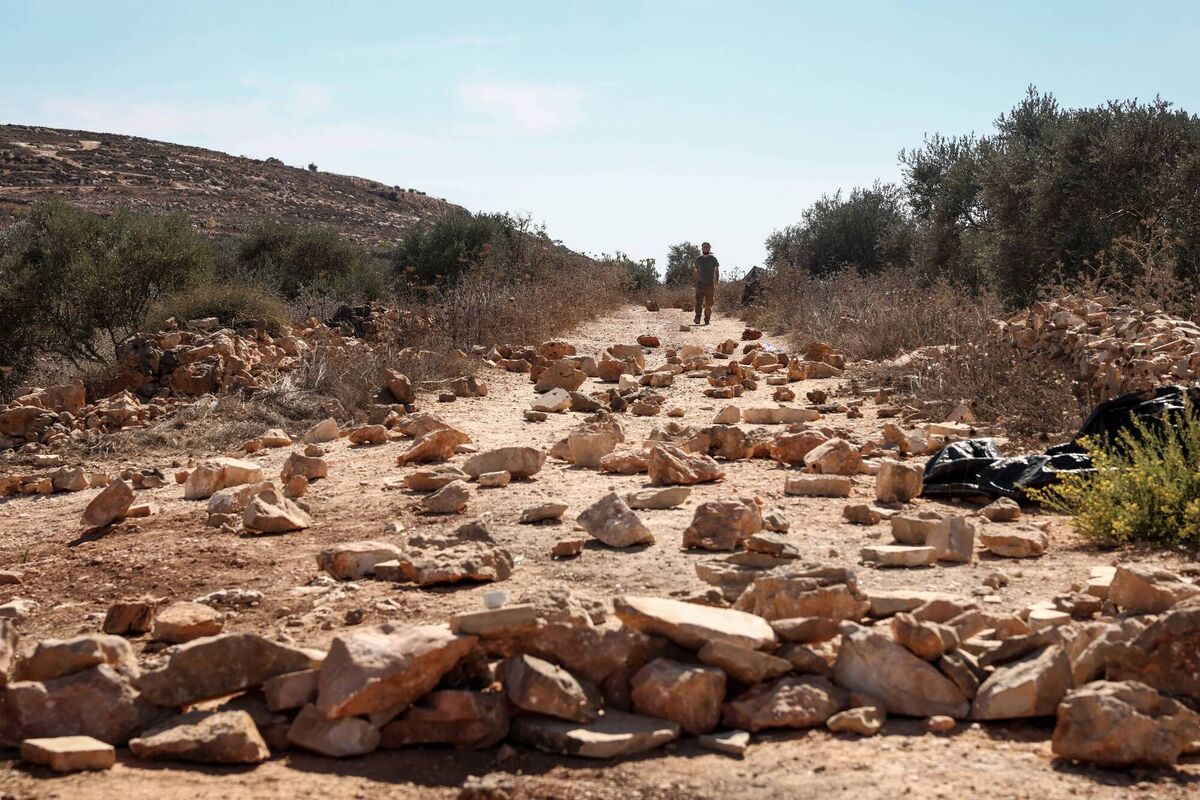
This October, Palestinian families attempting that ordinary work face assault, restrictions and the theft of their crops.
Reporting on Thursday, Reuters described Ahmed Salem watching settlers take olives from his trees near Lubban al-Gharbi, afraid to intervene.
It cited Israeli rights group Yesh Din’s tally of 125 physical attacks on harvesters and 168 incidents of crop theft over the season’s first 24 days.
For Abulhawa, understanding the violence requires understanding what is being violated.
"It’s central to our cuisine. Central to Palestinian economic life. And in some ways, central to our spiritual and family life; to our society,” she says of the olive.
“The harvest has always been a big deal. The caring for the olive trees is even bigger.”
Speaking from near Philadelphia, she describes planting as an almost sacred ritual.
A new tree might mark a child’s arrival. An older tree commands consideration when a home is built: people construct lives around it.
Fruiting trees are blessings.
“And you don’t cut down a blessing.”
Her criticism of the destruction is direct.
Read More
“One of my central criticisms, of many, of Israeli society … has been the ease with which they cut down and destroy trees, especially olive trees.”
She connects this reverence to the wider region, including Lebanon and Syria. In her view, the destruction contradicts claims of belonging.
“No one native to that region would ever cut down, would not have the heart to cut down an olive tree,” she says.
It is a sweeping moral argument, rooted in her understanding of what belonging demands: Care for the land and for the living things that sustain its people.
Her account of Palestine itself accommodates movement and difference.
People arrived from elsewhere over centuries, she says, bringing traditions from places including Armenia and Ethiopia.
“Palestine was a hugely pluralistic society.”
The agricultural life she describes exists within that diversity.
The olive joins households through the practical business of growing, cooking, earning and sharing.
OCHA, the UN humanitarian office, estimates that the harvest supports between 80,000 and 100,000 Palestinian families.
Citing the Palestinian agriculture ministry, it reports potential olive-oil production of approximately 21,000 tonnes this year, against 7,000 in 2025 — if farmers can reach their groves.
That qualification increasingly determines whether fruit becomes food and income.
On Wednesday, Israeli forces detained US congressional candidate Brad Lander and dozens of volunteers accompanying Palestinian harvesters near Nahalin, south of Bethlehem.
Lander was subsequently released.
The military’s explanation, published on X, described an “uncoordinated olive harvest”.
It said advance permission was necessary for security and public order, and cited the risk of harvesting close to an Israeli community.
The flagrant terminology of control deserves the most extreme prosecution.
Palestinian farmers’ ability to gather their own crops on their own land is being judged according to its proximity to an Israeli settlement in an illegally occupied territory.
There was also a contradiction in the explanation.
“It's a lie,” Abulhawa says of the coordiantion claim. “And even if it were true, it's still barbaric.”
Violence supplies another barrier.
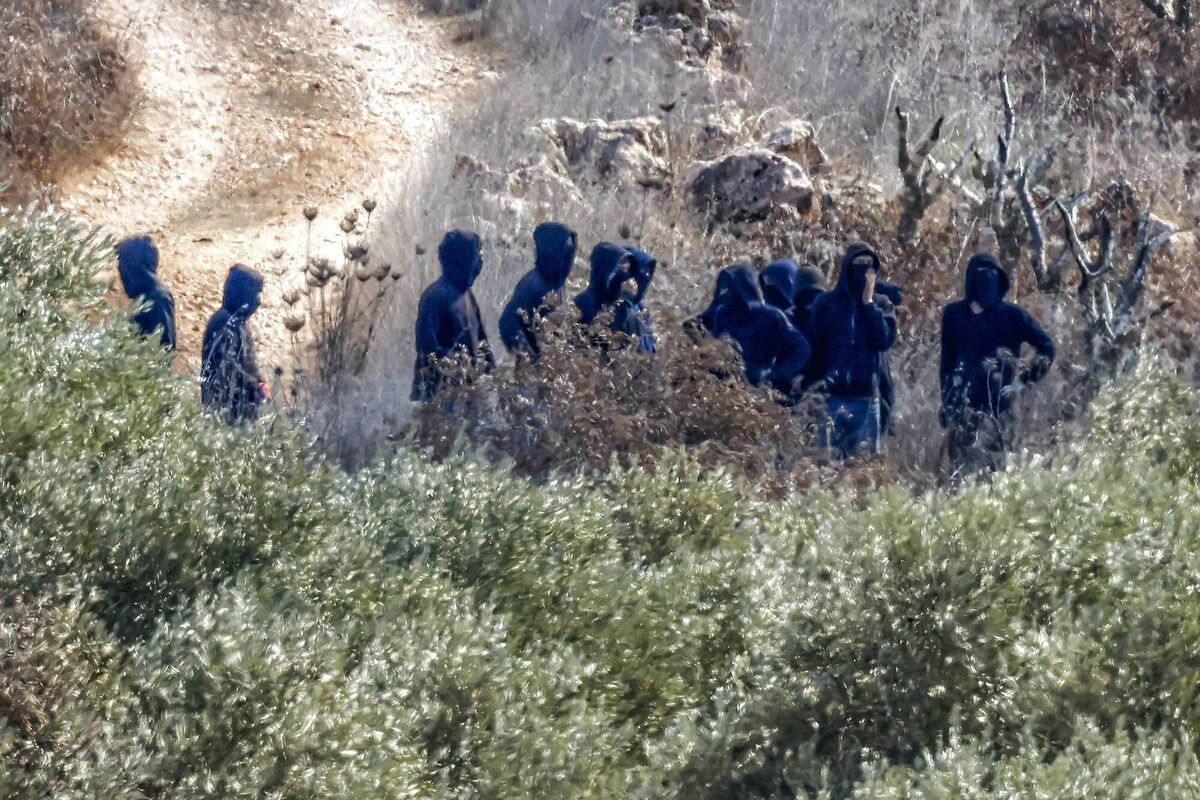
On October 17, settlers attacked Palestinian harvesters and a visiting European delegation near Taybeh.
A French mayor was knocked down and a Belgian diplomatic vehicle damaged.
Palestinian victims included an elderly woman and a man who needed stitches for a head injury.
Israeli police announced ten arrests on October 19 following the weekend’s attacks on foreign visitors and a photojournalist.
Those arrests were investigative steps, not convictions.
For the farming communities, the danger predates the sudden — and often fleeting — international attention.
OCHA documented 199 harvest-related settler attacks between September 1 and October 12, resulting in one Palestinian death, 124 injuries, and damage to more than 2,500 trees and saplings.
Those figures cover a different period and definition from Yesh Din’s tally; they should not be added together.
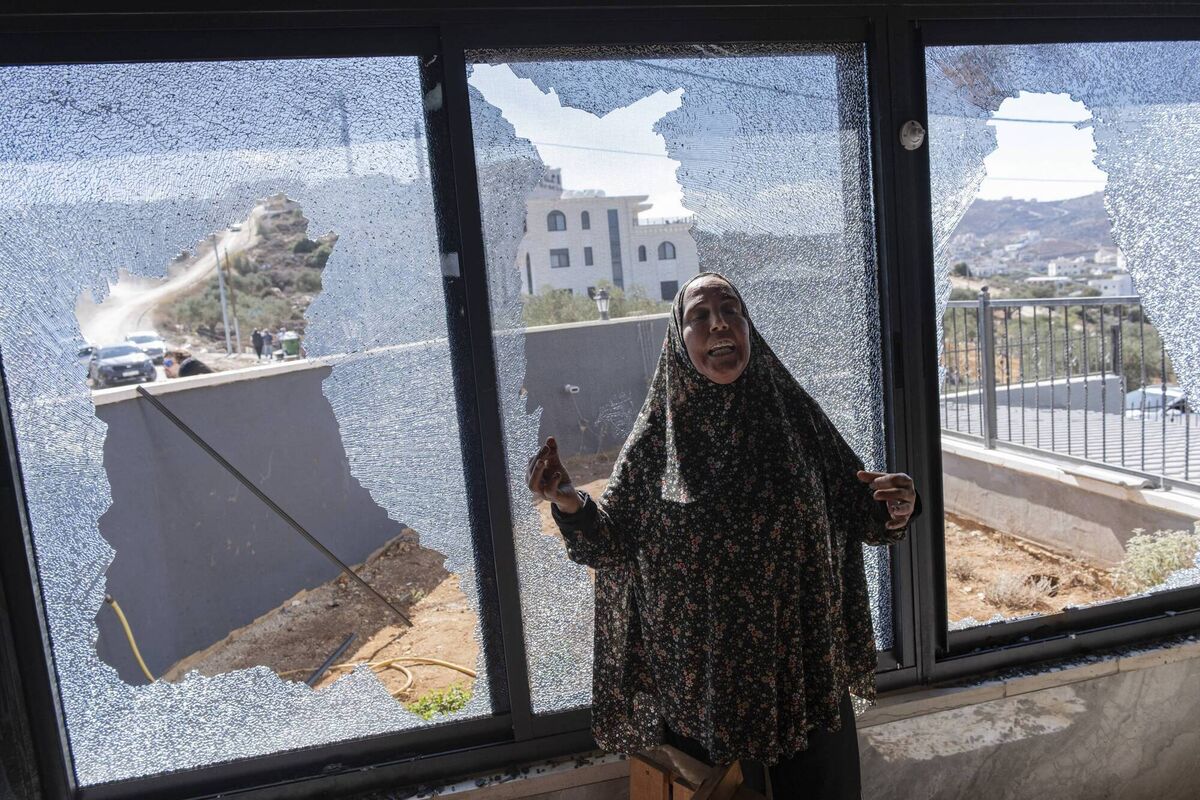
Abulhawa sees the destruction of agricultural independence as a transformation imposed on Palestinian life.
Families lose the means to sustain themselves through the land their ancestors cultivated.
“It’s destroying our ability to live on the land,” she says.
The physical destruction reaches into family history.
“These old trees in particular were planted by our ancestors,” she says.
“They are witnesses to our family history in many ways.”
Asked whether she considers the targeting of trees deliberate, she is unequivocal: “It is absolutely weaponised.”
In her account, the damage extends beyond a season’s lost income.
Destroying a mature tree removes something inherited while also taking away harvests that might have supported the next generation.
“So it simultaneously erases history and destroys a future.”
That helps explain why gathering a crop acquires the meaning of resistance. People are continuing a life whose continuity is being obstructed.
Abulhawa places the harvest alongside literature, dance, weddings and other traditions through which a community recognises itself.
“They’re acts of living and at the same time any act of living that Palestinians do is an act of resistance.”
Yet there is pleasure in her description too: companionship, the quiet communion of collective work, the knowledge that other families in other villages are following the same seasonal rhythm.
This was what she wanted to capture in : “This simple connection to a land that is performed in one village and all villages at the same time.
"There’s something really spiritual in this sort of collective observance of tradition,” she says.
The olive’s literary power comes from that lived relationship. It carries memory because generations have cared for it. It represents endurance because it continues to feed them.
And when a farmer stands before a threatened tree, what is at stake includes the possibility that a child will one day return to gather beneath it.

CONNECT WITH US TODAY



Be the first to know the latest news and updates