Elaine Loughlin: Alan Kelly embraces his new form of soft power
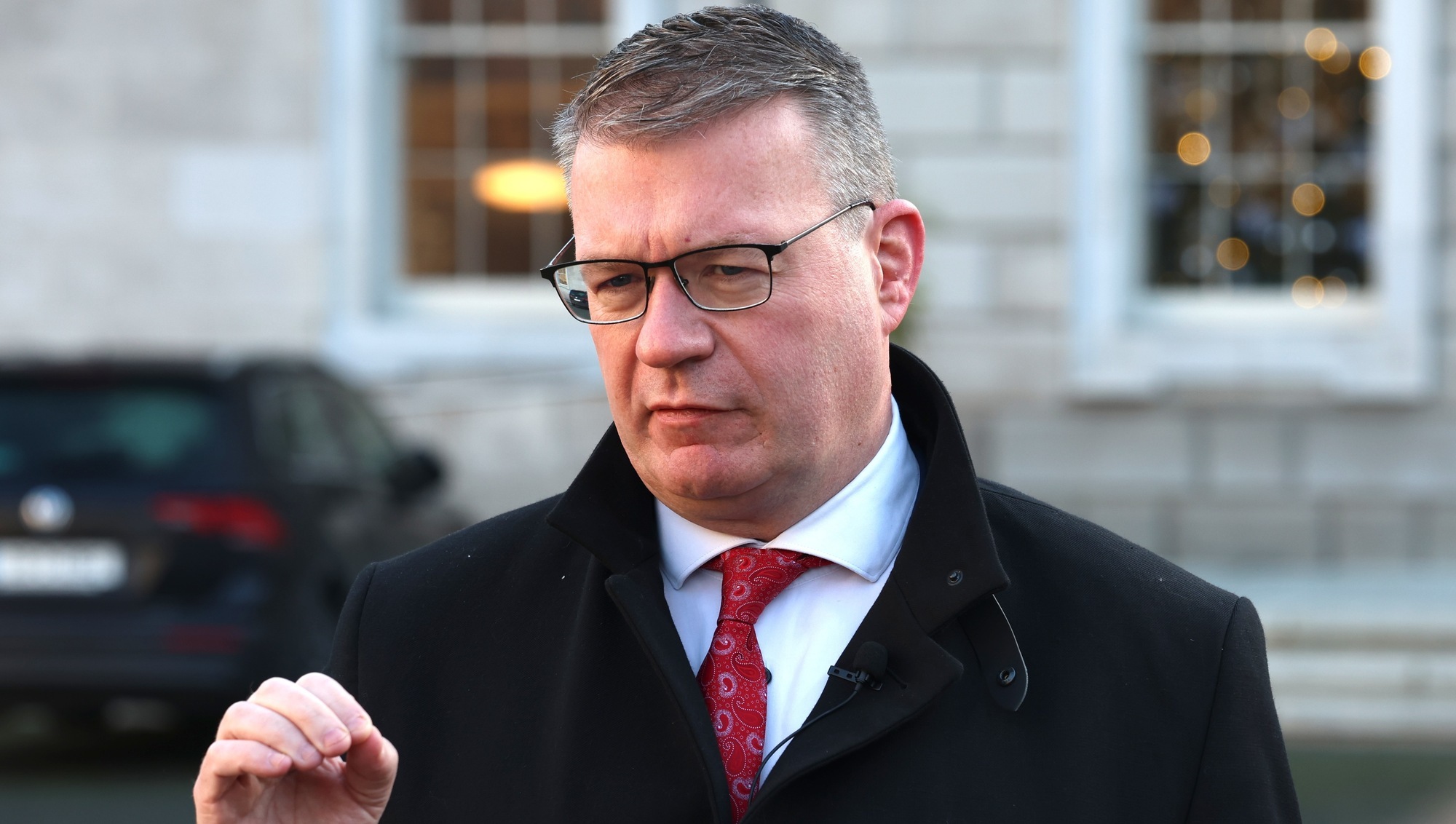
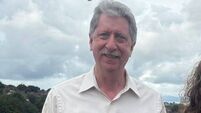
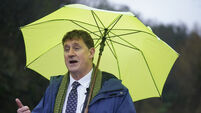
Alan Kelly 'would be someone who civil servants would be scared of'. Picture: Collins

Alan Kelly's second political coming will be one that is studied and referenced by academics and commentators in the years to come.
The former Labour leader has cultivated a new identity as chair of the media committee, which through a careful curation of high-profile and relevant attendees has become a must-watch event each week.
Kelly has always possessed an eye for a headline, which has sometimes garnered a less than positive response.
He may never shake his now infamous "power is a drug" interview of exactly a decade ago, but born-again Kelly, while still relishing in the responsibility that chairmanship of an Oireachtas committee brings, is perhaps not as openly hungry.
Read More
Kelly's style was and still is at complete odds with his successor Ivana Bacik.
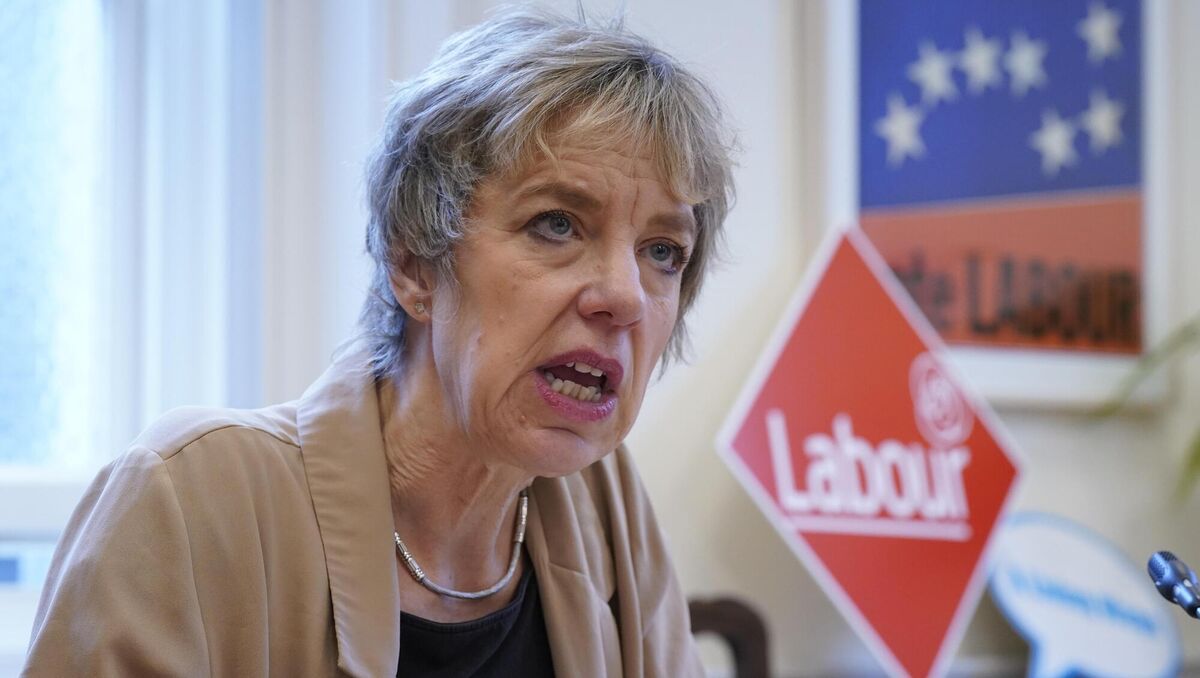
Bacik is highly competent and impressive in person. However, she has failed to cut through with the general public.
Labour remains consistently stuck at between 3% and 4% in the polls, failing to gain traction over this Dáil term.
At the helm, Kelly undoubtedly gained more attention for his party, but he faced the same issues in the polls, initially putting the slump down to covid, which stymied the party's traditional way of operating and campaigning at a grassroots level.
By March 2022, as he bowed out as leader of the party, he conceded that Labour had not made progress in the opinion polls under his leadership.
Becoming Labour leader had been, as he put it himself, "the best political day of my life" which had left him "humbled and overwhelmed", so it was understandable that Kelly was left bewildered and rudderless when he was forced to relinquish that power by way of a highly-orchestrated heave against him.
There were questions over whether the Tipperary TD would even stand again, with suggestions that he would exit national politics at the last general election.
But he remained on and was re-elected.
Being appointed a committee chair offers significant opportunity, especially to opposition TDs for whom ministerial promotion is not a career option.
The Public Accounts Committee (PAC) has provided some box-office sittings down through the years and is always a highly sought-after role among those elected to Leinster House.
Fianna Fáil's John McGuinness saw his profile skyrocket when he steered the PAC between 2011 and 2016. Other members including Catherine Murphy, John Deasy, Sean Fleming, Michael Noonan and Róisín Shortall gained notoriety for their forensic approach.
"You could be chair of another committee, but not have the public profile of a backbench TD who was on PAC," said one political source.
With PAC members often elbowing to assert authority and command control over various scandals and issues that have arisen, there have been numerous inter-committee clashes over the years.
PAC, believing it should have dominion over almost everything, has engaged in turf wars over everything from Irish Water, to the banking crisis, to RTÉ.
In 2014, for example, members of the Health Committee got dragged into a standoff after they were told that they were not allowed to consider any health-related matter that was being examined by PAC.
Some of this may come down to the impact of the Angela Kerins decision, which still hangs over PAC and its secretariat.
Others, having missed out on a PAC position, have spotted another gap and ran for it.
Labour TD Ciarán Lynch gained significant prominence more than a decade ago when he was chosen to chair the banking inquiring, which saw him gain headlines and regularly appear on radio and TV.
Following on from others who have made their mark down in the bowels of Leinster House's LH2000 wing which houses committee rooms, Kelly has maneuvered himself into a prime position.
He is also fortunate in the fact that he is surrounded by a very strong cohort of committee members who have brought their own expertise to hearings and in many instances have worked collectively to draw responses out of attendees.
Peter 'Chap' Cleere may be a first-time TD but he has quickly become attuned at asking relevant and probing questions. He was particularly strong during a recent three-hour grilling of social media companies during which he asked TikTok if the platform recommends dangerous driving content to users who do not seek out such content.
"The reason I ask is I have never searched for dangerous driving content yet this stuff appeared on my timeline and my algorithm. So can you riddle me that one?"
His line of questioning was bolstered during the session by his Fianna Fáil colleague Padraig O'Sullivan, Fine Gael's Micheál Carrigy and indeed Kelly himself who interjected in proceedings at one point to demand that the social media representatives text or email colleagues outside the room in order provide the information members were seeking around posts featuring dangerous or illegal activities.
Former sports broadcaster Evanne Ní Chuilinn has brought a unique knowledge into the committee room. Last month she was able to extrapolate new and worrying details around safeguarding from FAI officials.
Her questioning led to revelations that players for the Irish women's team were "stalked" with a man in a towel entering a room where a player was about to have a massage while preparing for a game in Hungary in 2023, which resulted in police being called.
Social Democrats member Sinéad Gibney, as a former Irish Human Rights and Equality Commissioner, often introduces a social justice element to proceedings.
Last week, as media minister Patrick O'Donovan came under the spotlight for his €20m cut in expected funding to RTÉ, Kelly was out almost immediately as chair of the media committee calling for answers.
So far this term he has hauled representatives from the FAI in on the week Ireland played Israel; has questioned TikTok, Meta, Google on its role in glamorising dangerous and wrong-way motorway driving; and has heard from the GAA on gender equality in the wake of the shock resignation of Mary McAleese.
"He would be someone who civil servants would be scared of, there is a bit of credibility there too," one person said of Kelly this week.
This credibility stems from the many issues that he has doggedly pursued over the years.
Kelly kept the CervicalCheck scandal on the political agenda over many years, raising it so persistently that it became a personal mission on behalf of Vicky Phelan, who became a personal friend, and the hundreds of others involved.
More recently in the Dáil he has pursued the garda whistleblower controversy, exposing issues and asking well-researched questions on the matter.
Back in 2016 Kelly was willing to openly verbalise a ruthless ambition, stating that power was an "attractive" drug.
"It suits some people. It doesn’t suit others. I think it suits me.”
In the intervening period he has been in and out of Government and gained the leadership of his party before having it grabbed from him.
He now has found a different way to get notice and has embraced his own form of soft power.

CONNECT WITH US TODAY



Be the first to know the latest news and updates