Gareth O'Callaghan: 30 years post Celtic Tiger, is it time for a debate about selling RTÉ?

If selling a share in RTÉ guaranteed the station’s future while still retaining its public service remit, then why not call the debate?
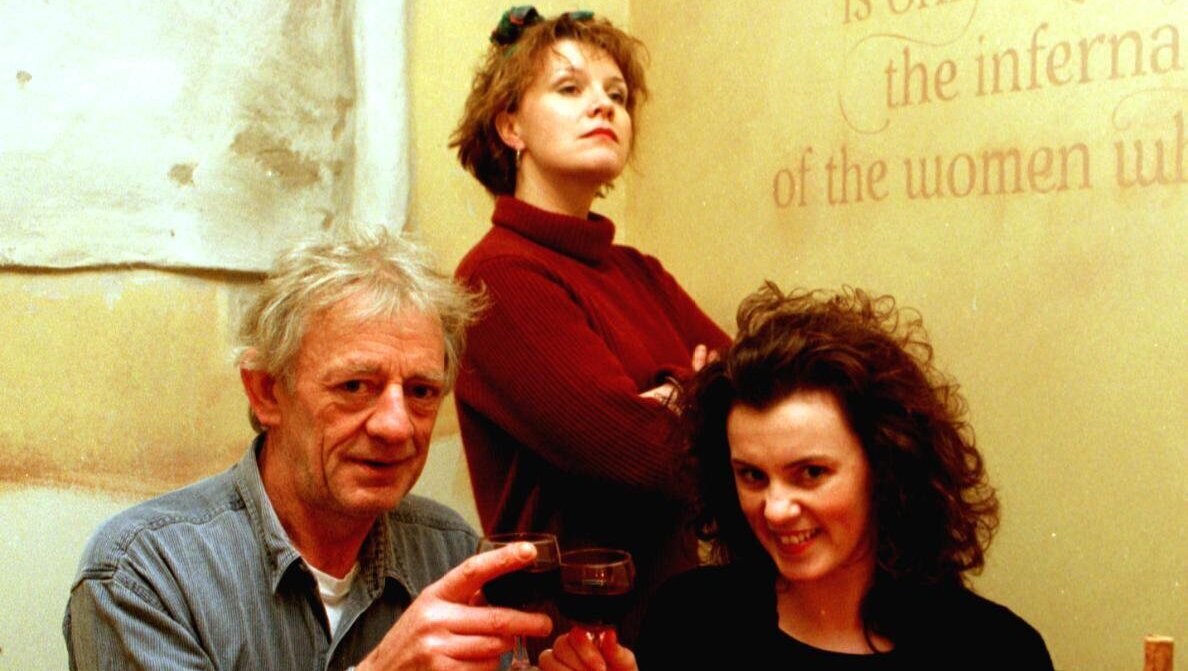
Actors Mick Lally, Mary McEvoy, and Eunice McMenamin, who played Miley, Biddy, and Fidelma on RTÉ’s ‘Glenroe’. File picture: Billy Higgins

Actors Mick Lally, Mary McEvoy, and Eunice McMenamin, who played Miley, Biddy, and Fidelma on RTÉ’s ‘Glenroe’. File picture: Billy Higgins

Back in the summer of 1996 when RTÉ management were discussing the advance of international competition, no one present at those meetings could ever have imagined what the future of broadcasting would look like.

30 years ago, RTÉ television was sailing with the times here at home, which was a mostly insular place about to undergo a re-imagined identity that no one could have foreseen.

People were still talking about the scandalous barn tryst two years before when Miley cheated on his wife, Biddy, with her cousin Fidelma. The Glenroe haybale affair became one of the most shocking moments in Irish television history, while the show itself was in essence a mirror image of rural Ireland and RTÉ’s loyal audience.

TG4 went on air in October, Boyzone were putting it up to Take That, while Meath and Wexford were All Ireland champions.

Aertel was RTÉ’s teletext news and information service, available on every TV set in the country. Tap 101 on your remote for news, 200 for all the latest sport. Ballykissangel replaced Glenroe for the summer, while Fame and Fortune replaced Winning Streak, and Bosco said his final farewell before being replaced by The Morbegs.

As a nation, we were waking up earlier, as we were led to believe by Morning Ireland when it introduced an earlier start time of 7.30am. Its new theme was one of “expanded coverage”.

Irish life was becoming an unstoppable expansion by late 1996. Our reimagined identity was a cultural awakening that had been waiting in the wings for years.

We began a shift from a traditional parochial society to a multicultural European nation, complete with all its cosmopolitan attractions.

Kevin Gardner, an economist with Morgan Stanley, famously coined the term “Celtic Tiger”. We were roaring for greater choices in all aspects of our lives.

In May, RTÉ became available worldwide on the internet, a new fandango — as my father called it — that most self-respecting people were wary of.

They launched the service during the final Late Late Show of the season. Gay Byrne performed a visual link-up with John Piggott, an Irish Motorola engineer, originally from Clonskeagh in Dublin, who had been living and working in Phoenix, Arizona, for 13 years.

To paraphrase astronaut Neil Armstrong, it was a giant leap for the Irish, but across the water Sky was already years ahead of us in terms of choice, having launched Sky Channel in 1989.

In the summer of 1996, the task of finding a new director general at RTÉ began. Whoever got the job would be faced with a gargantuan task, as Sky were already counting down to going digital in October 1998, which meant better sound and vision quality, along with a larger channel selection.

RTÉ couldn’t compete, but what saved it over the years was its loyal audience. Those days are gone, as are many of its viewers, and the station is now facing an even greater threat to its modest existence.

Shake-up in the UK

In the UK this week, Sky finally reached an agreement to purchase ITV’s Media & Entertainment division in a deal worth €1.87bn. ITV, launched in 1955, was the UK’s first commercial television network, and for years the BBC’s biggest competition. It operated 14 regional stations which offered local news and content while opting back into a national programme schedule.

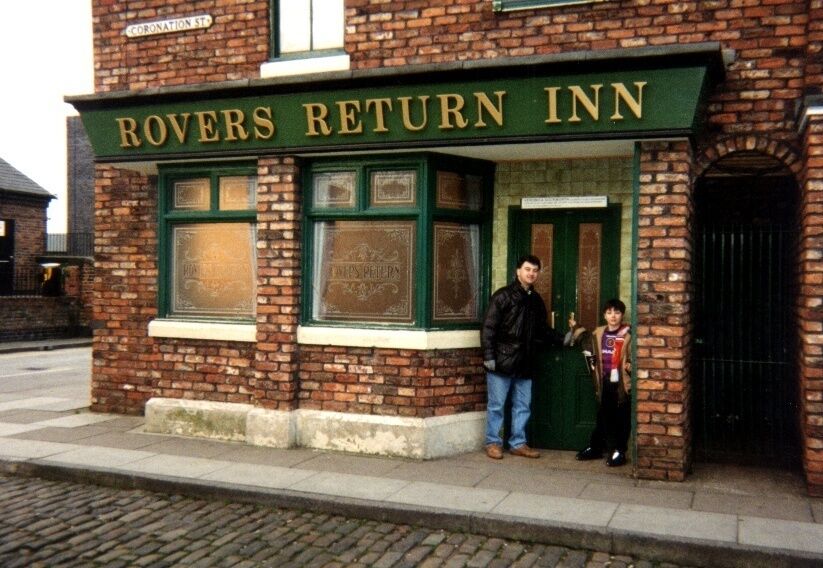
It introduced Irish viewers to Coronation Street and Emmerdale among other UK favourites.

It proved to be competition in the early years for RTÉ around the border counties and along the east and south coasts where Irish viewers could watch its output due to the spillover effect from UTV in the north, or HTV in Wales.

Sky is now an even bigger titan in the new world order of global television, as it will have access to much of ITV’s content.

It’s the biggest shake-up to the UK television industry in over 30 years.

Viewers are assured there will be no changes to popular programmes for now, nor ITV’s commitment to public service broadcasting. Sky will eventually start to move the furniture, so changes are inevitable as they will want to see a return on this massive investment.

Will the deal affect RTÉ? Not for now, but it’s not so much a mild headache as a massive migraine to add to the station’s woes moving forward.

Without ongoing access to public funding to make and buy programmes, RTÉ will struggle even further to compete, considering Sky is a big player here in the TV bundles market.

Commercial television network ITV introduced Irish viewers to 'Coronation Street' and 'Emmerdale', among other UK favourites.

The controversial three-year €725m public funding package that the government approved runs out next year. On Wednesday, RTÉ’s director general Kevin Bakhurst “categorically refuted” reports that the station will request more public funding above what was agreed in 2024.

RTÉ needs an additional €13.49m more in State funding this year, although this is built into the commitment already sanctioned. Once licence revenue figures for 2026 are available, then government can determine the additional public funding needed to reach the €240m agreed for this year. Licence revenue for 2025 resulted in €183m.

It remains to be seen if a further funding package is needed beyond 2027. It’s a foregone conclusion that it will be in some shape or form.

If funding stops for what is now a taxpayer-supported institution, then the station will have to jettison more than just jobs and land. It could mean the end of RTÉ2, and that would just be the start.

Could RTÉ be sold to an international broadcaster? The subject has never been seriously debated, but it most likely could if the government agreed to it.

While ITV is privately owned by its shareholders, RTÉ is a statutory corporation, which means it’s publicly owned; and because our government in theory reflects the will of the people who elect it, then it would have the final say. Although any move to sell off RTÉ would be vigorously and legally challenged.

On the other hand, brand loyalty has been overshadowed in recent years by value for money. In our house, we pay a hefty Sky subscription for the luxury of being able to watch RTÉ, even though we also pay a television licence fee. I’m not going to even try to unravel that paradox.

Uncertain future

Some 20 years ago, Aer Lingus was partially privatised when the government floated the former fully state-owned national carrier on the Dublin and London Stock Exchanges. In May 2015, the airline was sold to International Airlines Group (IAG) in a €1.36bn takeover. There was outrage in the Dáil following the sale.

Sinn Féin Cork North Central TD Jonathan O’Brien said the sale of the State’s remaining 25% share “will have ramifications for Ireland’s connectivity into the future and I have grave concerns for thousands of jobs at the airline”.

Considering Aer Lingus continues to expand its network and employs 6,500 people worldwide, any “grave concerns” were unfounded. The future for Aer Lingus looks bright.

RTÉ’s future is uncertain. While it’s a major part of our Irish culture and heritage, we also live in cash-strapped times where budgeting is painful for families affected by our exorbitant cost of living, and the price of a TV licence could pay for a month’s electricity.

If selling a share in RTÉ guaranteed the station’s future while still retaining its public service remit, then why not call the debate? The station clings to an expectation that the cavalry is coming in the shape of a taxpayer bailout. What if next year when the public funding package runs out the cavalry doesn’t come?

As I write, I’ve just checked listings for RTÉ2. With the exception of the World Cup, every programme is a repeat. That might have been acceptable when our viewing choices were limited, but this is not the summer of 1996.

More in this section

Revoiced

Newsletter

Had a busy week? Sign up for some of the best reads from the week gone by. Selected just for you.

Cookie Policy Privacy Policy Brand Safety FAQ Help Contact Us Terms and Conditions

© Examiner Echo Group Limited