Elaine Loughlin: Political class of '23 will need to pull their socks up when Dáil returns in autumn

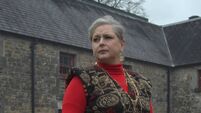
President Michael D Higgins at the annual National Day of Commemoration ceremony at Collins Barracks, Cork, earlier this month: He has certainly made an impression in the political sphere this year. Picture: David Creedon

The Dáil is out for summer after a more than gruelling term.
The political class of 2023 has been a mixed bag, there have been some solid performers but no stars, others have struggled under the pressure, while a few have barely scraped through the term.
January kicked off with Health Minister Stephen Donnelly under pressure over trolley figures which reached an all-time high.
Fine Gael's Damien English was forced to resign as a minister of state over his failure to declare ownership of a property.
Just as one ministerial controversy was blowing over, Paschal Donohoe found himself at the centre of another as details of election postering paid by businessman Michael Stone came to light.
Fine Gael's woes didn't end there as the great exodus began with Brendan Griffin, David Stanton, Michael Creed, and John Paul Phelan all announcing they will not be standing in the next general election, leaving gaps of experience across the country.
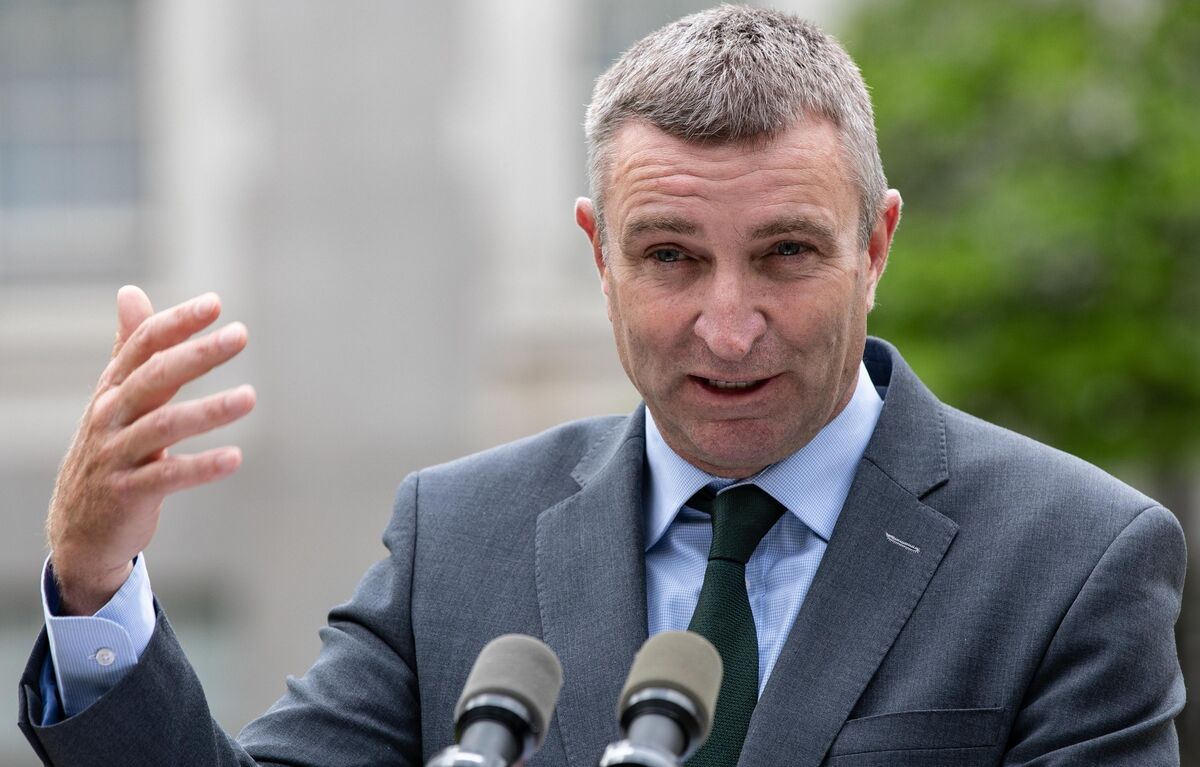
The heat then turned on Fianna Fáil with junior minister Niall Collins getting himself into difficulties over planning issues.
The Government as a whole came under pressure ahead of a motion of no confidence tabled by the Labour Party in response to the decision to lift the eviction ban.
It resulted in Housing Minister Darragh O'Brien doing a deal with some of the regional Independents in exchange for their votes.
As the spring wore on, the three government parties began bickering among themselves.
A coalition row — which the Greens eventually won — erupted over a move by stand-in Justice Minister Simon Harris to fast-track the introduction of facial recognition technology for gardaí.
Then there were the three Fine Gael junior ministers who sent Fianna Fáil members into an irate tizzy when they called for a €1,000 tax reduction for workers in the upcoming budget.
On the other side of the House, the Social Democrats co-leaders Catherine Murphy and Roisín Shortall stepped down making way for Holly Cairns.
Meanwhile, long-time TDs Denis Naughten and Bríd Smith announced that they would not be running again.
In an indication of what a cabinet might look like after the next general election, Mary Lou McDonald unveiled a shake-up of her front bench.
Having taken stock and compiled a report card on our elected representatives, it is fair to say that all members of the Oireachtas will have to pull their socks up when the Dáil returns in the autumn.
While this term has been awash with controversies and ministers getting themselves into bother, a quick survey of colleagues on the Leinster House press gallery this week failed to garner any stand-out performers.
One person who certainly made a significant impression in the political sphere is President Micheal D Higgins. His eyebrow-raising remarks have been applauded in certain quarters and condemned in others.
The President's intervention in criticising the Government's Consultative Forum on International Security certainly caused a stir and sparked debate.
He was forced to apologise for his comments about the chair of the forum, but stood firm in his belief that Ireland is "playing with fire" during a dangerous period of "drift" in foreign policy.
He had his own viral moment after his meeting with President Joe Biden circulated in the world's press. The pictures showed off his magnificently chaotic office, featuring piles of dog-eared books, files, and artwork' not to mention the computer monitor perched between manuscripts, which looked to be an afterthought.
Two ministers that have gained an honours-level knowledge of Ireland's geographical features are Simon Harris and Jack Chambers.
Having travelled the highways and byways under the guise of their ministerial duties, they have pressed the flesh with intent.
Both are considered contenders to take over the leadership of their respective parties and meeting grassroots members on the "rubber-chicken circuit” is a clever move.
After being ousted by his own party in March 2022, many had consigned Alan Kelly to political history. The Tipperary TD certainly kept a low profile after being forced out, but has recently made a resurgence, just in time for the Public Accounts Committee (PAC) showdowns with RTÉ.
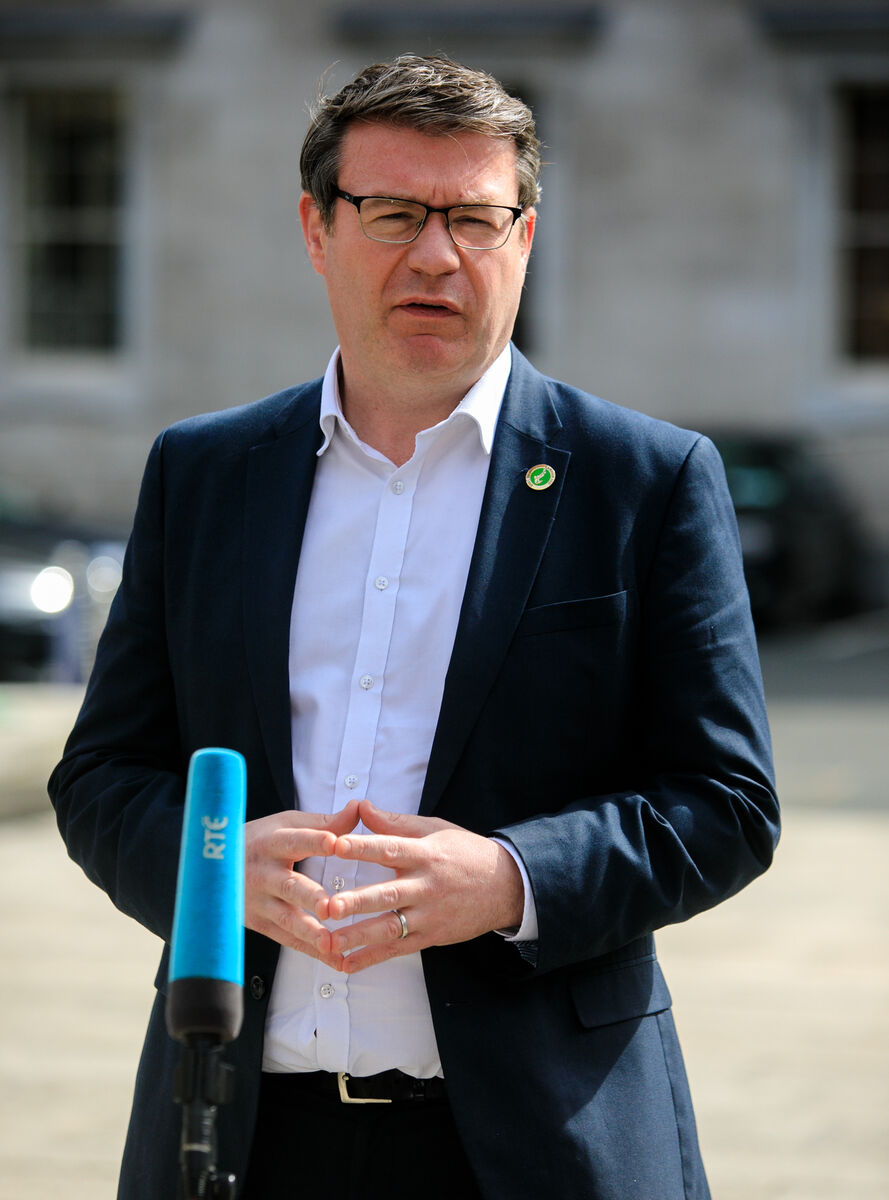
His forensic approach to questioning both RTÉ heads, former Late Late Show host Ryan Tubridy and his agent Noel Kelly gleaned some of the most interesting answers.
Back in January, Kelly, a long-time CervicalCheck campaigner, delivered on the promise he had made to his friend the late Vicky Phelan when a Bill to introduce open disclosure for healthcare professionals was finally introduced.
It remains to be seen whether Kelly will run in the next general election, and any redrafting of his constituency is likely to play into his decision, but he certainly has made a comeback this term.
Having both announced they will not be contesting the next general election, the Fine Gael TDs have been making sure that their political swansong is a memorable one.
Creed, a former agricultural minister, had been known as a quiet but confident operator, who never rocked the boat too much. However, he has gained a new-found freedom in announcing his departure and has gained a reputation for speaking up and saying what many of his party colleagues would like to say but have their seats and Fine Gael leadership to keep in mind.
He has made a number of strong interventions at recent meetings of the parliamentary party, hitting out at the direction Fine Gael is taking and claiming the “the ties that bind us” as a party including members were weakening.
Likewise, Griffin has been going about his Dáil business with a fresh flourish. He put in a strong performance at the Media Committee over the past three weeks and managed to get a key piece of information out of RTÉ chair Súin Ní Raghallaigh who confirmed to him that she had sought the resignation of Dee Forbes.
The Cork West certainly knows his beef from his dairy and took great offence to being described as an organic farmer by minister of state Pippa Hackett, herself a farmer.
The two locked horns in May when Collins demanded an apology and a correction of the Dáil record.
Collins, who has previously stated in the Dáil that he is "proud to be organic", also suggested that the Green Party senator could only have obtained the information from her husband who inspected his farm, an allegation she strongly refuted.
In the end, the Ceann Comhairle, who received letters from both parties, told them to sort out the gripe among themselves.
Members of both the PAC and the Media Committee have diligently worked to put the RTÉ scandal jigsaw together in recent weeks. Their questioning and probing over many hours only resulted in more pieces being added to the complex puzzle, but their efforts deserve recognition.
Her straight-talking style of politics contributed to Holly-mania which swept across the country for a number of weeks following her rise to the helm of the Social Democrats in March. She has been particularly outspoken on the housing crisis and the Government's stance on land restoration. While her party enjoyed a boost in the polls after she took over as leader, this has flattened out, and gaining support will be her biggest challenge ahead of any general election.
The arts minister was plunged into the RTÉ crisis when details of Ryan Tubridy's pay deal emerged.
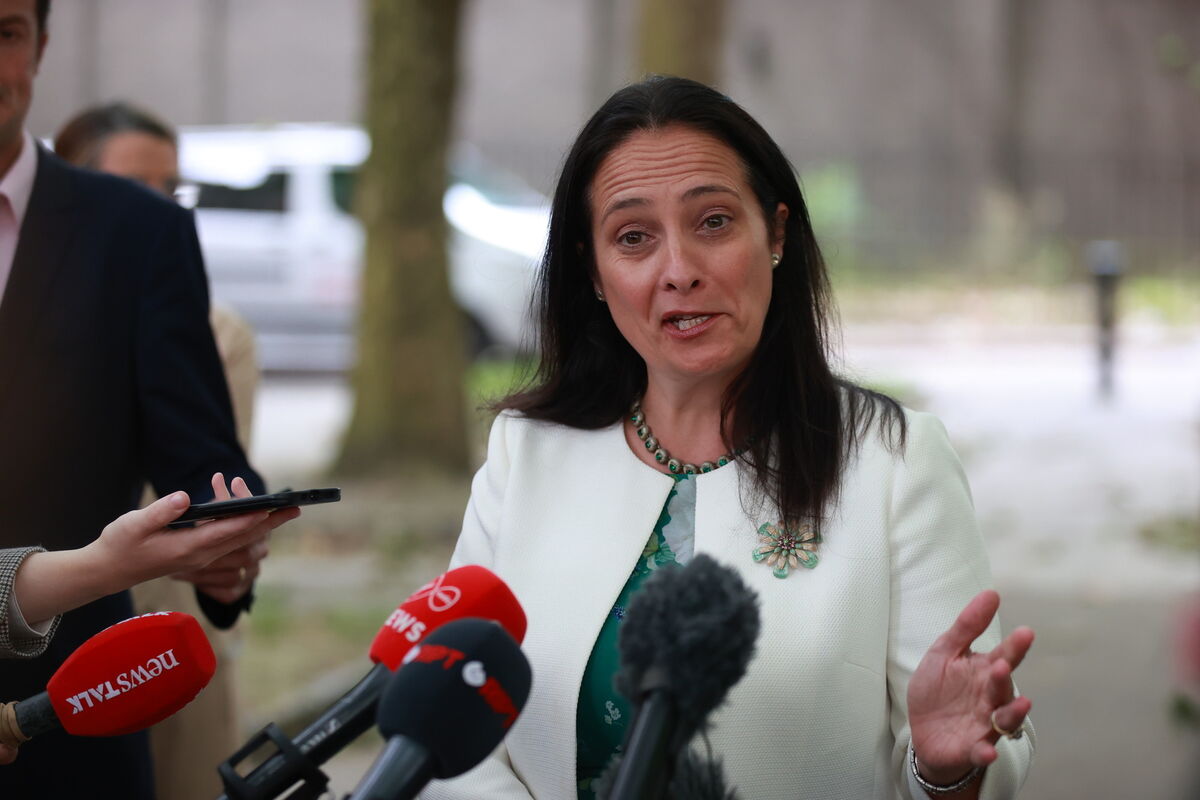
Many around Leinster House have noted that having a scandal land on your desk can be an opportunity to excel and to show real grit and leadership as a minister.
This is not how the approach taken by Martin could be described. She initially stalled in meeting the chair of the RTÉ board, and it was clear where the power lay in the relationship between both women when it later emerged that Súin Ní Raghallaigh had failed to inform the minister that she had asked the former director general to resign the week before the scandal broke.
She also drew criticism for her ambiguity on whether the public should continue to pay the TV licence fee. A shrewder politician would have immediately hauled the key players in and would have been picketing outside Montrose with the ordinary workers.

CONNECT WITH US TODAY



Be the first to know the latest news and updates