Happy 100th birthday to Irish public broadcasting. A century on, we're still talking to each other
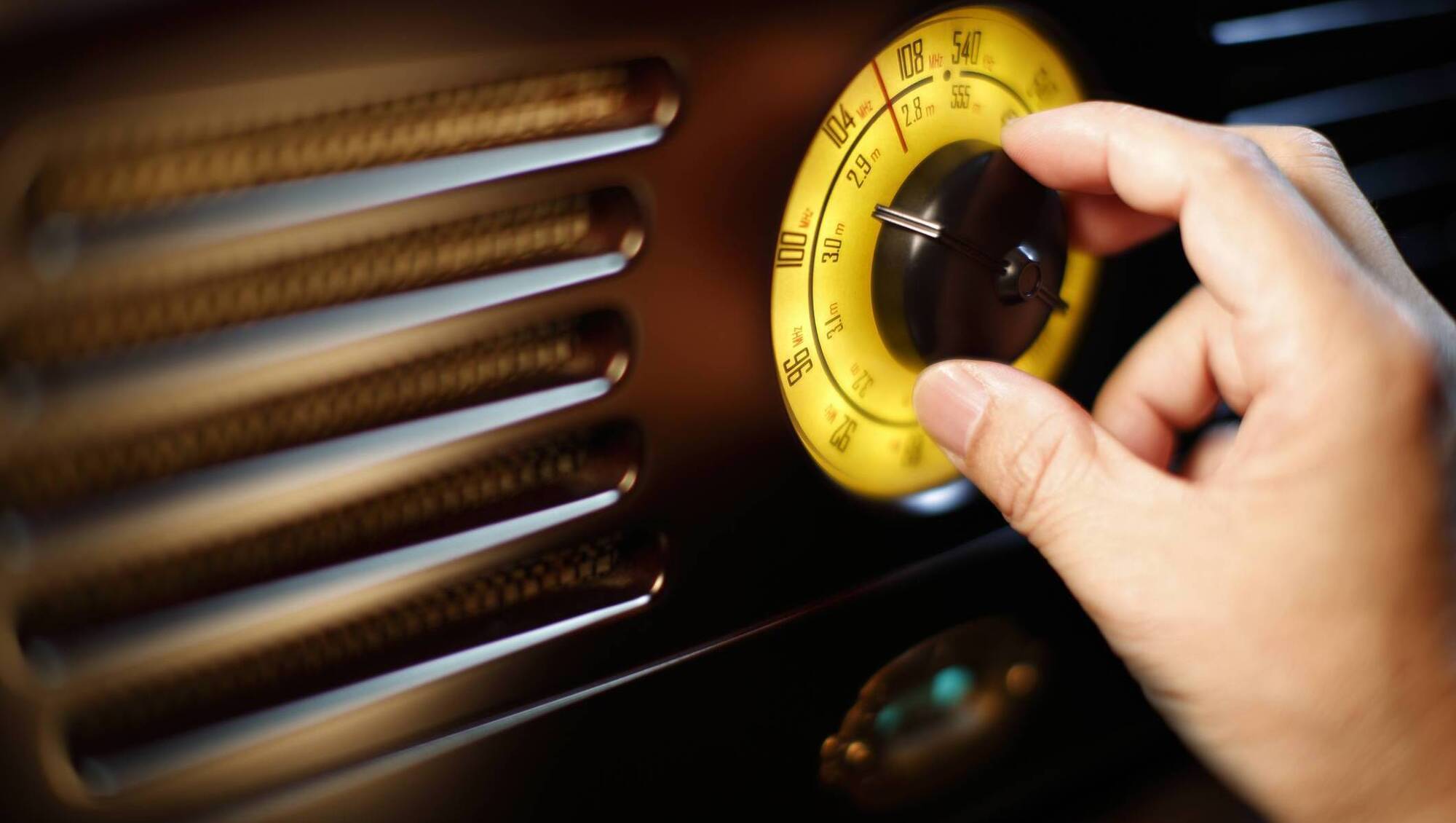
RTÉ's predecessor, 2RN, began broadcasting 100 years ago. Sources including playwright Hugh Leonard have said 2RN was named for the last two words of the song title 'Come Back to Erin' by Count John McCormack. iStock
When Ireland’s first national broadcaster crackled into life on New Year’s Day in 1926, the State itself was barely out of infancy.
The War of Independence and the Civil War had left deep scars. Institutions were fragile, loyalties divided, and the idea of a shared national story remained uncertain. 2RN, later Radio Éireann and eventually RTÉ, was never just a technological novelty. It was an experiment in nationhood. Could a young country learn to speak to itself — confidently, critically, and honestly — through a single, shared voice?
Fianna Fáil’s Patrick J Little — who would go on to become Ireland’s longest-serving minister for posts and telegraphs — believed it could.
In 1947, he declared: “Irish broadcasting is the everyday story of the new Ireland, spoken with its own voice."
It was an ambitious statement, heavy with optimism and political purpose.
HISTORY HUB
If you are interested in this article then no doubt you will enjoy exploring the various history collections and content in our history hub. Check it out HERE and happy reading
Yet nearly a century later, in an Ireland transformed by migration, digitisation, and a plethora of media choice, the question can no longer be avoided: Is that voice still being heard, and does it still sound like the country it claims to represent?
From the outset, Irish broadcasting carried a burden few other media institutions faced.
Emerging from centuries of colonial rule, Radio Éireann was expected to help legitimise a new system of government while also binding together a society that was far from unified.
Broadcasting was not simply about entertainment or information; it was about stability.
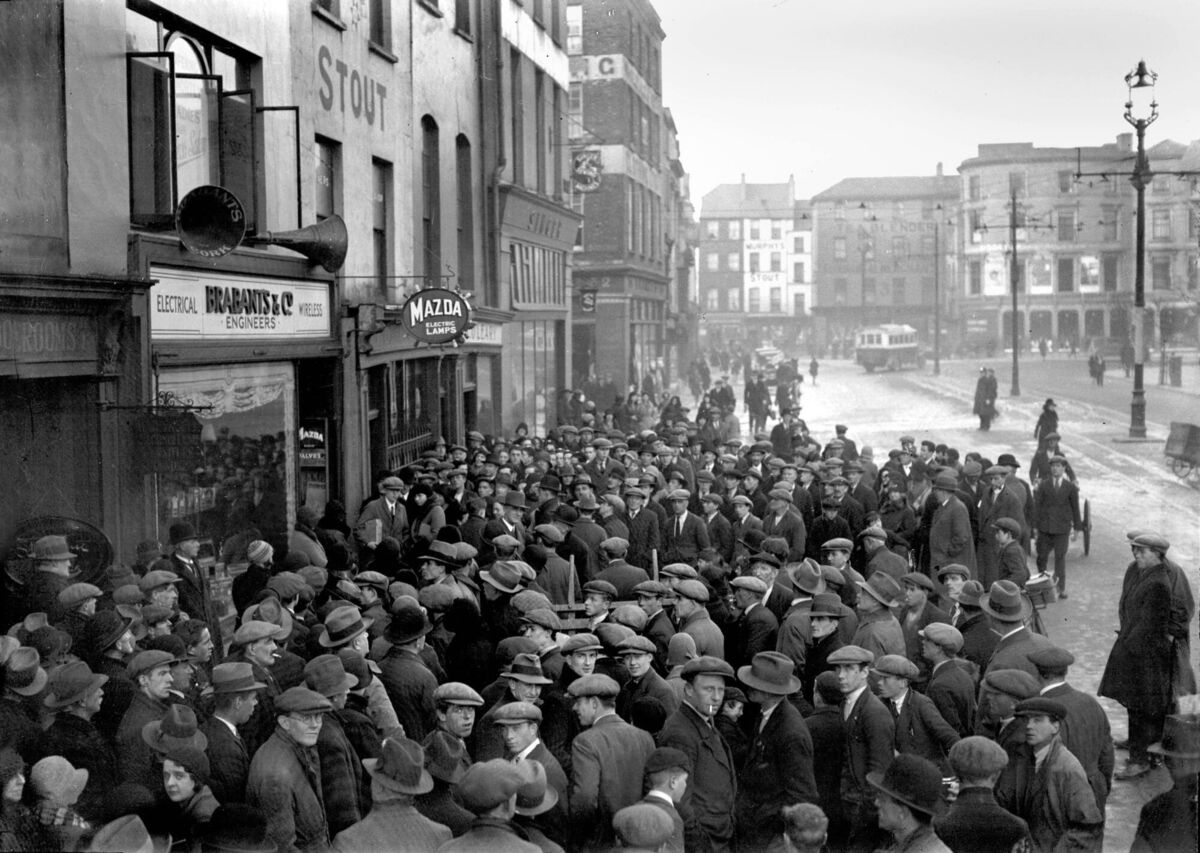
The result was a cautious tone that many listeners quickly recognised. The national station often seemed anxious not to offend, reluctant to probe too deeply, and instinctively deferential to authority.
This conservatism did not go unnoticed. Instead of challenging complacency, the broadcaster was frequently accused of reinforcing it. For those who wanted sharper edges or a livelier cultural pulse, the dial offered alternatives.
The BBC, with its confidence and polish, attracted Irish listeners in large numbers.
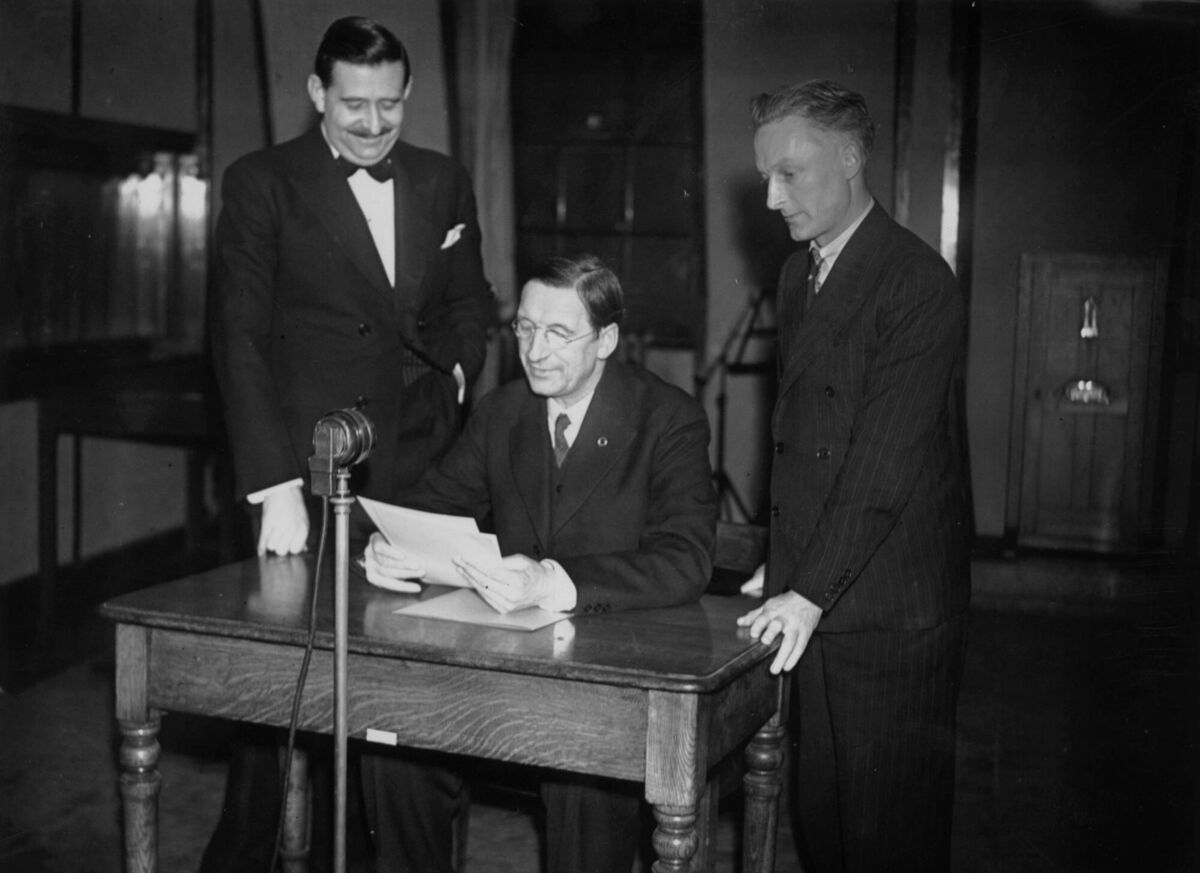
Later, the pirate radio stations of the 1970s and the ‘super-pirates’ such as Dublin’s Radio Nova and Cork’s ERI in the 1980s — all unlicenced commercial stations — would capture audiences with their energy, irreverence, and willingness to take risks that the national broadcaster would, or could not, do.
By the time RTÉ launched the youth-oriented RTÉ Radio 2 (later 2FM) in 1979, it was borrowing heavily from the very pirates it had once tried to shut down.
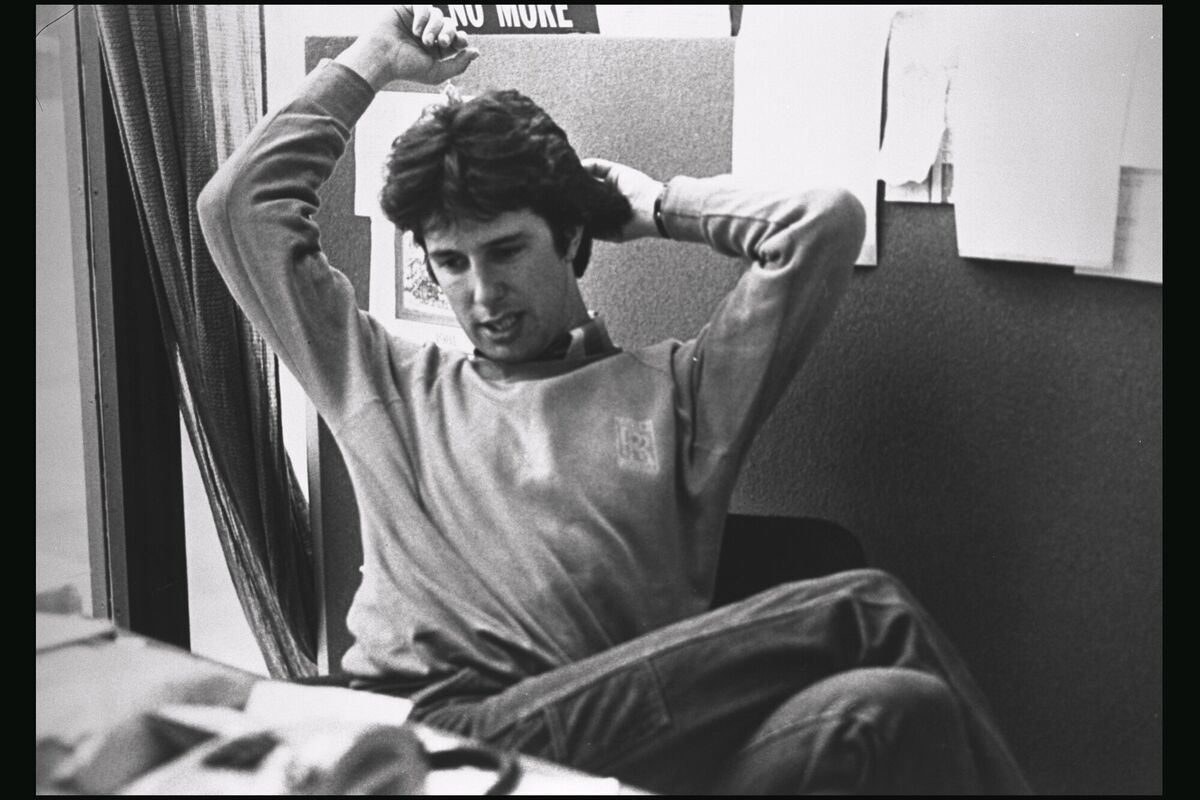
The irony is that radio in Ireland was not always so timid.
Some of its most influential moments came when control slipped and the public was allowed to talk back.
During the Second World War and its aftermath, radio became unexpectedly radical. The general-knowledge programme , launched in 1938, grew into the most popular show in the country.
Broadcast from packed halls across Ireland, it raised money for charity and turned listening into a collective experience. More importantly, it gave ordinary people a microphone — and with it, the power to disrupt.
One moment in particular revealed the medium’s volatility.
Asked to name “the world’s best-known teller of fairy tales”, a Belfast contestant answered not Hans Christian Andersen but “Winston Churchill”.
The remark delighted nationalist listeners and infuriated British officials. Questions were asked in the House of Commons, and Radio Éireann quietly withdrew from cross-border broadcasting for years.
The lesson was unmistakable. Live radio could not be fully managed, and once the public entered the conversation, the national narrative became unpredictable.
If demonstrated radio’s capacity for spontaneity, the post-war series showed its ability to provoke serious intellectual confrontation. Beginning in 1953, the lectures invited scholars to re-examine Irish history and identity.
What many listeners expected to be safe cultural reflection turned out to be something far more unsettling.
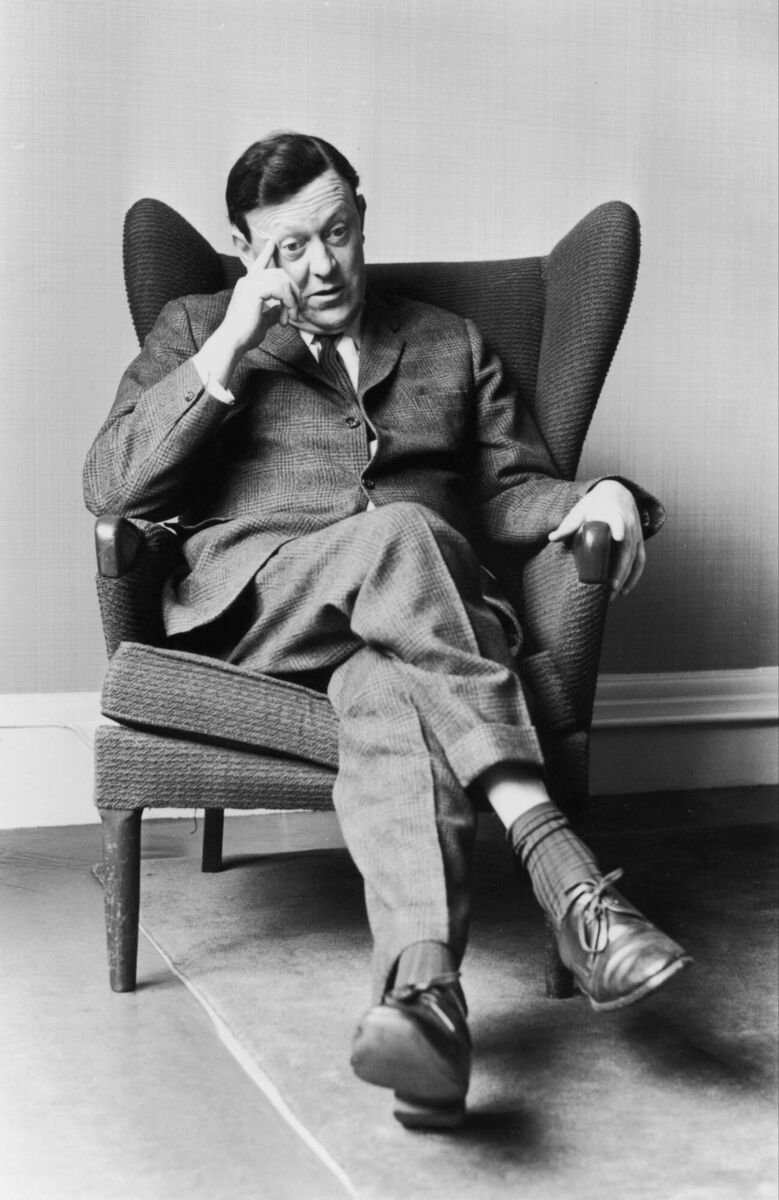
The opening contributor, polemic historian and politician Conor Cruise O’Brien, warned that the series would amount to “an interrogation” of the past. His lecture dismantled cherished assumptions about 1916, national unity, and historical destiny.
Revolutionary leaders, he argued, had failed to create the Ireland they imagined. Irish history, he insisted, was defined by ambiguity rather than inevitability, and historians themselves were too often guilty of “tidying up” confusion to serve political ends.
The reaction was electric.
Letters flooded in to Radio Éireann, some furious, others exhilarated.
Long before the so-called revisionist wars of the 1970s, the airwaves had already become an arena for fierce debate. Radio, not television, was where Ireland first learned to argue publicly with itself.
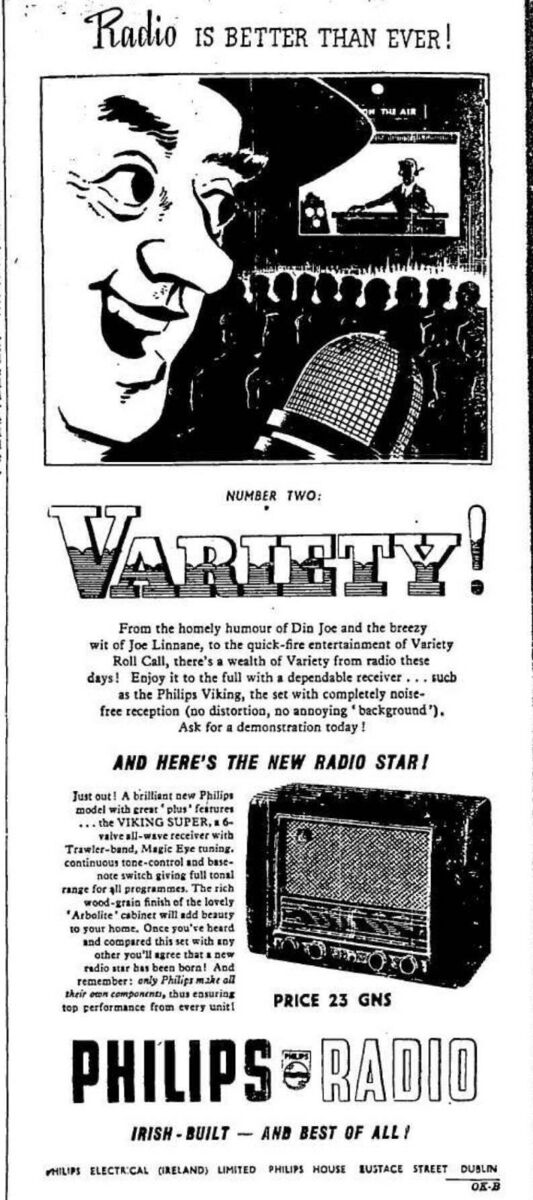
It also brought foreign worlds into Irish homes, offering both companionship and escape. Its intimacy — its ability to slip unnoticed into kitchens, pubs, and later cars — made it uniquely democratic. There was dancing on the radio with Din Joe and his programme, .
Mícheál O’Hehir popularised sports broadcasting; his energetic enthusiasm and vivid descriptions turned GAA matches into golden moments of national drama.
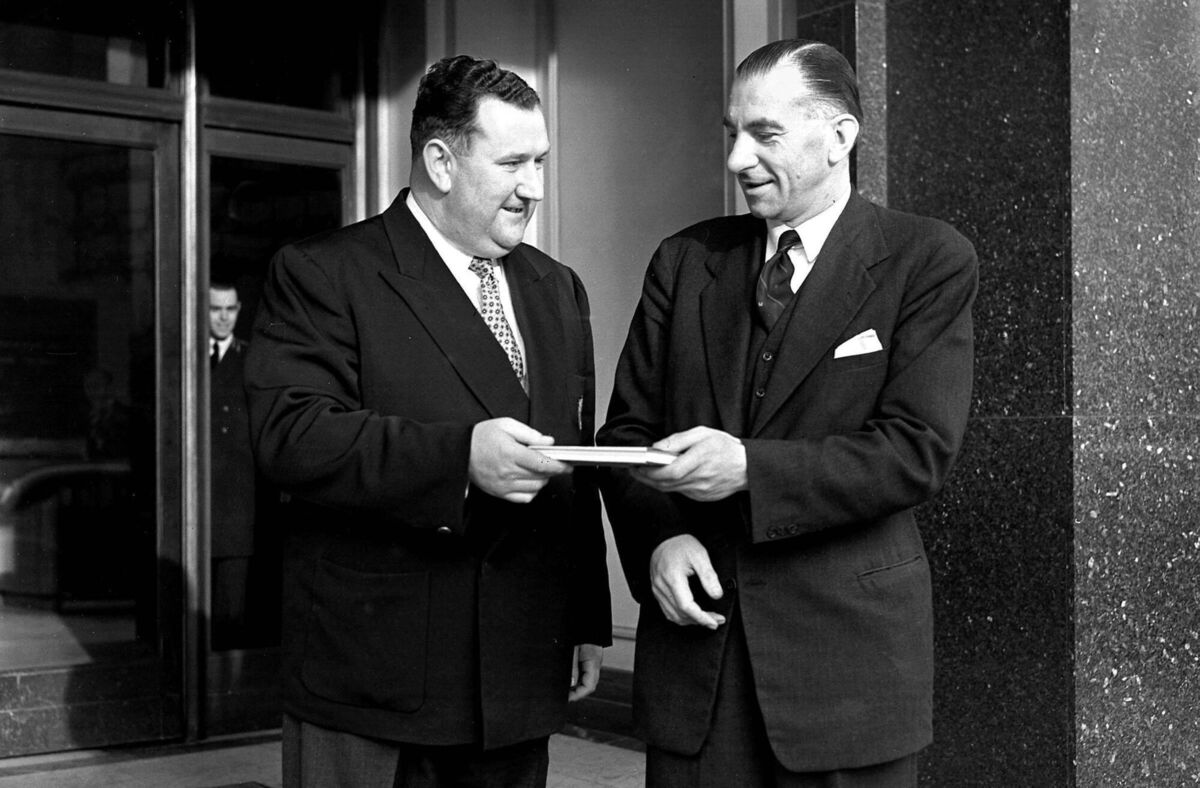
This role has been largely forgotten.
Television would later dominate national memory, particularly around issues regarding social change. But radio had already laid the groundwork.
Writers such as Frank McCourt and Tom Murphy returned repeatedly to radio in their work, portraying it not as a tool of repression but as a force of modernity. Brian Friel, whose play Dancing at Lughnasa is almost a homage to the “wireless” — which he called “Marconi” — described it as his “first delight”, recalling how he was “awed” by the sheer magic of radio itself.
Yet the landscape radio inhabits today is unrecognisable from the old monolithic model.
Ireland now has two other national commercial stations, Today FM and Newstalk; 31 local radio stations; 20 community radio stations; and a rotating cast of temporary licences. RTÉ is no longer the sole narrator of the national story.
This diversity has brought vitality and choice, but it also reflects a wider global trend: Radio is increasingly shaped by market logic rather than public-service ideals.
In such an environment, the space for the kind of risk-taking that once defined Irish radio’s finest moments can quickly shrink.
Which brings us to the present — and the near future.
Ireland in 2026 is not the Ireland of Patrick J Little’s confident post-war declaration. It is more diverse in language and culture, more digitally fragmented, and more openly contested.
The “everyday story of the new Ireland” includes migrant voices, multilingual classrooms, and younger generations whose media habits are scattered across podcasts, streaming services, and social platforms.
The question is not whether Ireland still needs a national public service broadcaster; I contend it does. The real question is whether that broadcaster, and radio more broadly, can once again create a shared space for difficult and inventive public dialogue.
A national broadcaster does not merely reflect a country; it helps shape the stories a country tells about itself, and which voices are heard as part of that story.
A century after 2RN first went on air, the responsibility remains profound. Patrick Little’s words still resonate: “Irish broadcasting is the everyday story of the new Ireland, spoken with its own voice.”
The challenge now is ensuring that this voice still sounds like Ireland — this new Ireland — and that it speaks not just to the nation, but for it.
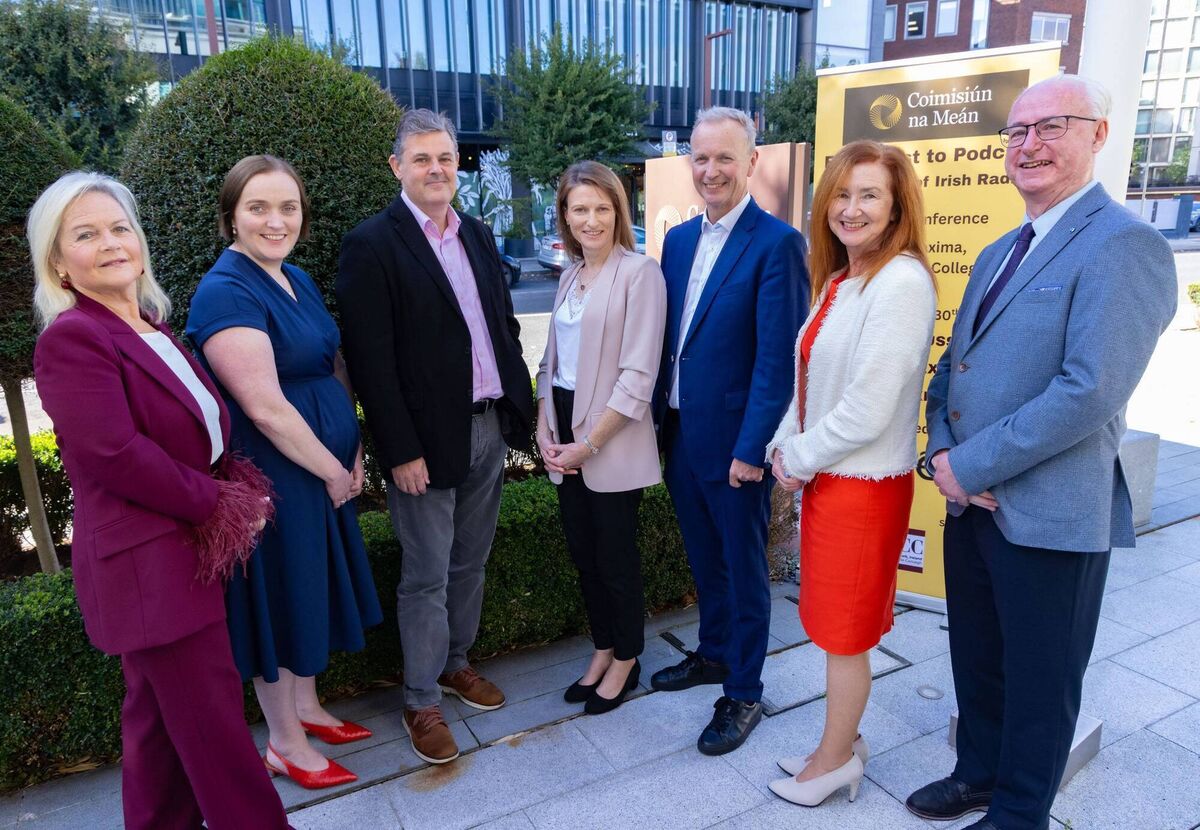
• Finola Doyle O’Neill is a broadcast and legal historian at the School of History, University College Cork (UCC). She is organising From Broadcast to Podcast, a two-day conference at UCC on January 29 and 30 celebrating 100 years of Irish radio. Click that link for details and registration.
CONNECT WITH US TODAY



Be the first to know the latest news and updates