Joyce Fegan: The role of domestic abuse in Ireland’s 'vanishing' women
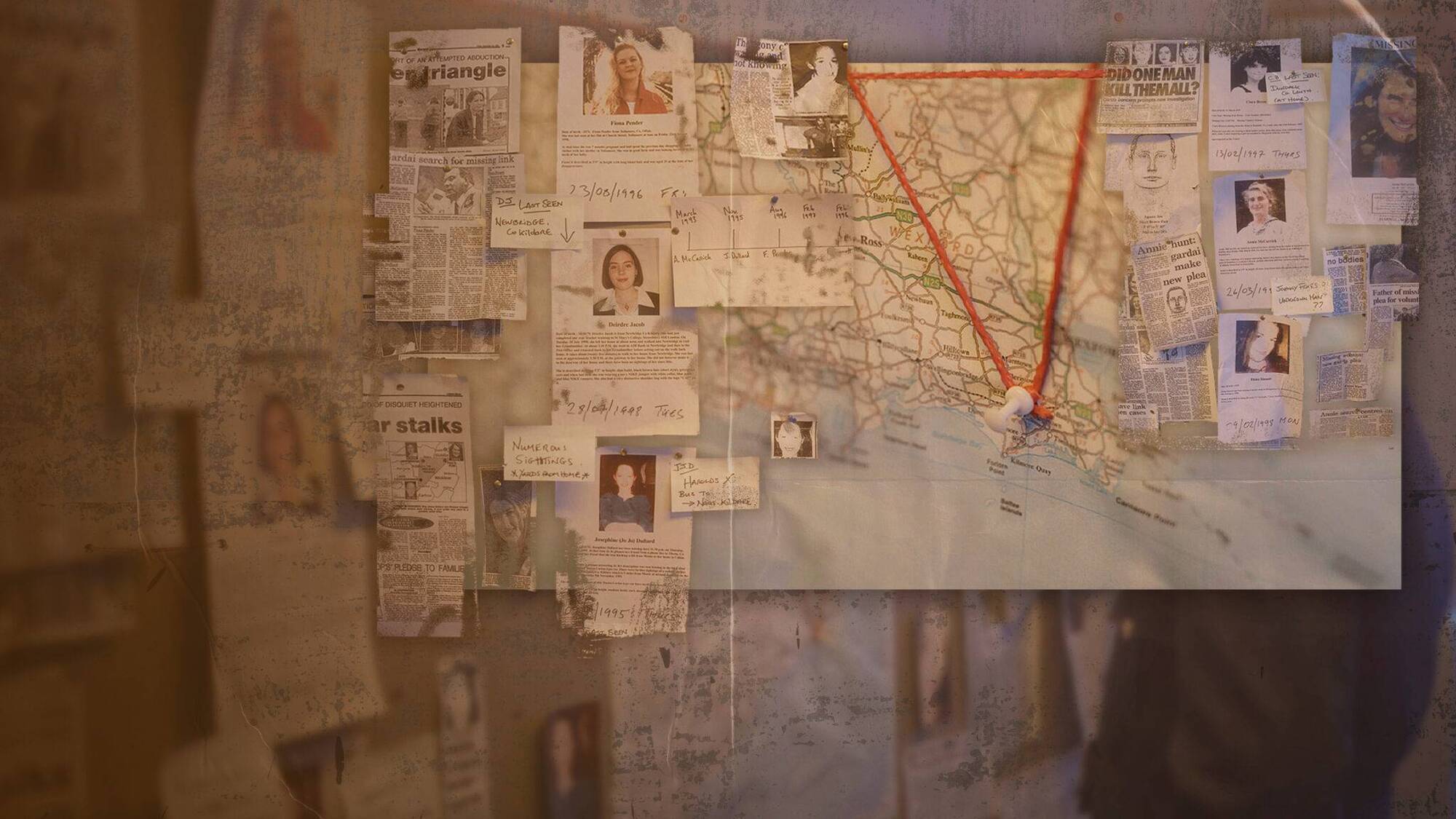
There was no mysterious Vanishing Triangle in Ireland, no serial killer on the loose, because in many cases most signs pointed to stalking, abuse and intimate partner violence
Joyce Fegan: The role of domestic abuse in Ireland’s 'vanishing' women

A still from Missing: Beyond The Vanishing Triangle on RTE1.

Somewhere along the way this neat narrative got made. The media and the public called it the Vanishing Triangle, referring to an area on the east coast of Ireland where several women and girls went missing between the years of 1979 and 1998. The area was in fact a kind of diamond in shape, reaching as far north as Dundalk, and as far south as Wexford.

A core thread of this mysterious triangle was that there was a big bad wolf at work, a serial killer, linking all cases.

Nothing could have been further from the truth. Intimate partner violence, harassment and domestic abuse were in fact the common threads.

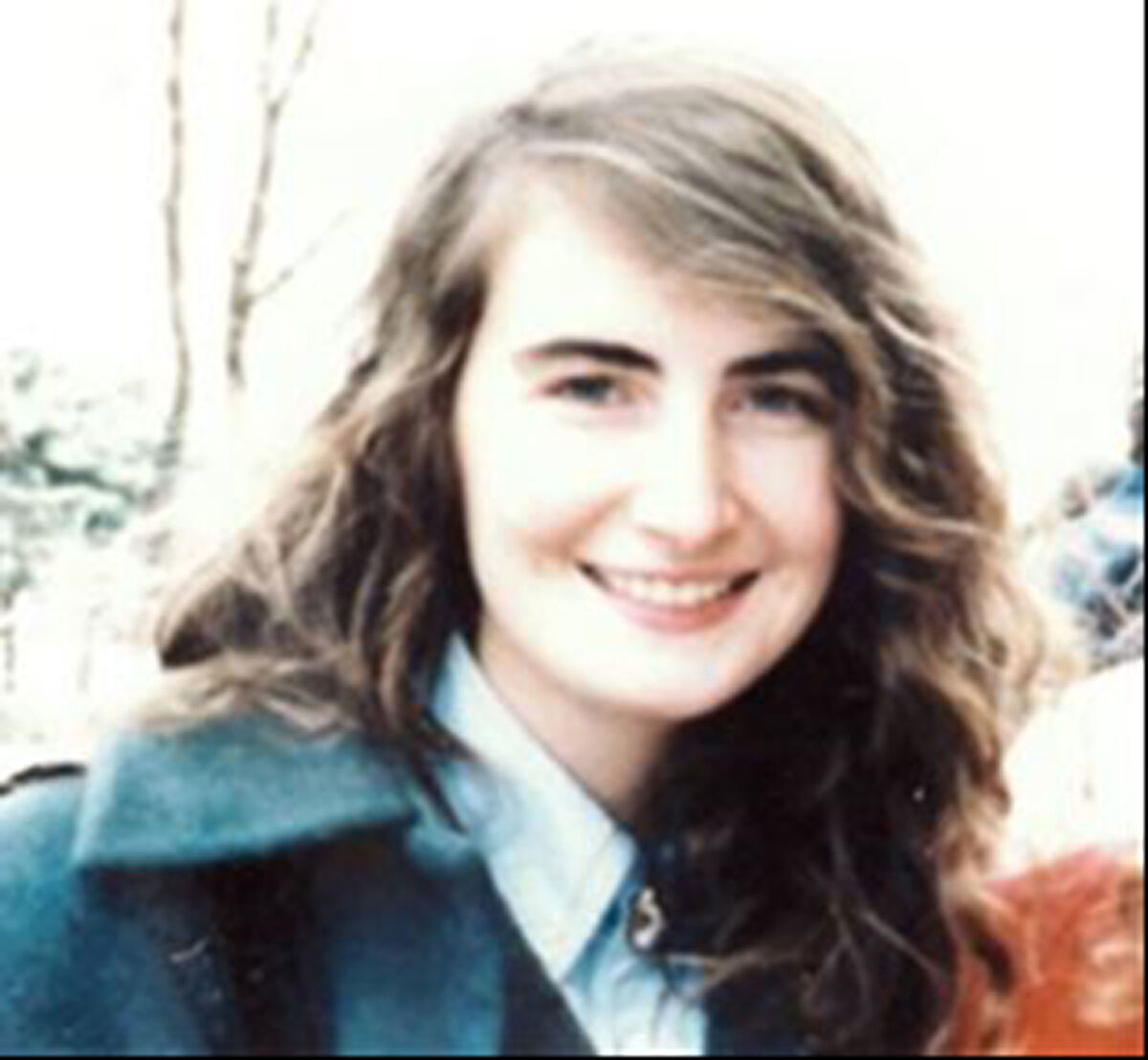
Annie McCarrick, the 27-year-old American on her Irish “adventure” as her mother Nancy puts it, was one of these women of the triangle — she is the focus of episode one of a new RTÉ two-part series called Missing: Beyond the Vanishing Triangle.

New revelations show friends had sent faxes to Irish authorities at the time of her disappearance, March 1993, saying Annie had confided in them that she had been struck by a man known to her shortly before she went missing.

“We found out from her friends that she had been having quite a bit of difficulty with someone she knew. We were totally unaware of that. She hadn’t let us know about it,” her mother Nancy says in the documentary.

 Annie McCarrick, an American national who has been missing since 1993.
 Annie McCarrick, an American national who has been missing since 1993.

Former Garda detective Tom Rock, who led the Annie McCarrick incident room, said neither he nor the investigation team ever received the faxes.
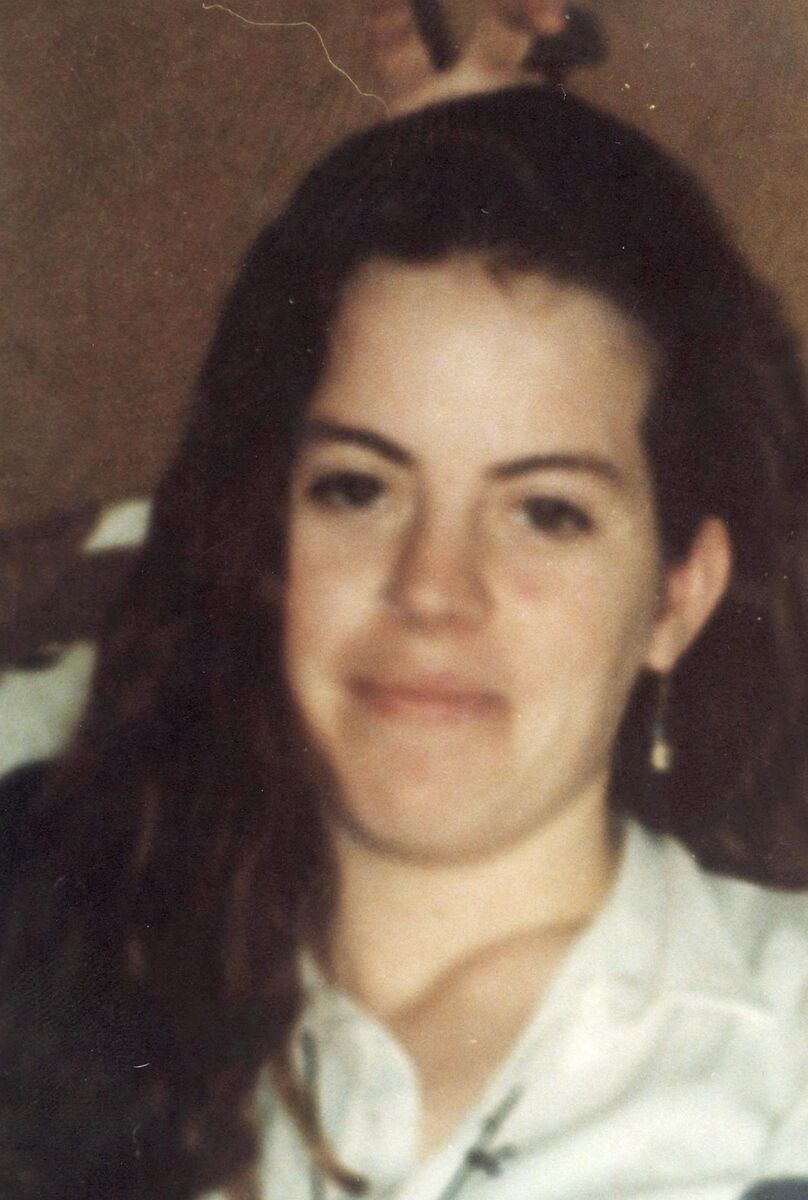
For three decades the Annie story has been one that centred on a singular sighting of her on a bus to Enniskerry and a singular sighting in Johnnie Fox’s pub. Crucially, and this has never been disputed as a receipt for £11.40 corroborates it, Annie left groceries intended for use for a dinner party for friends, unpacked on her kitchen table, before her so-called “adventure” out to Wicklow. The abandoned groceries a sign that she was disturbed far closer to home than Wicklow.

Now her disappearance has been upgraded to a murder investigation and the focus of the search 30 years on is no longer on Enniskerry, but towards a suspect who lived in the Sandymount area at the same time as Annie.

Then there is the top, the bottom, and the western point of the “triangle”.

Fiona Sinnott

Fiona Sinnott has been missing since 1998.

Another case that recently underwent the documentary microscope decades later is that of Fiona Sinnott, in Co Wexford, who went missing near her home in February 1998.
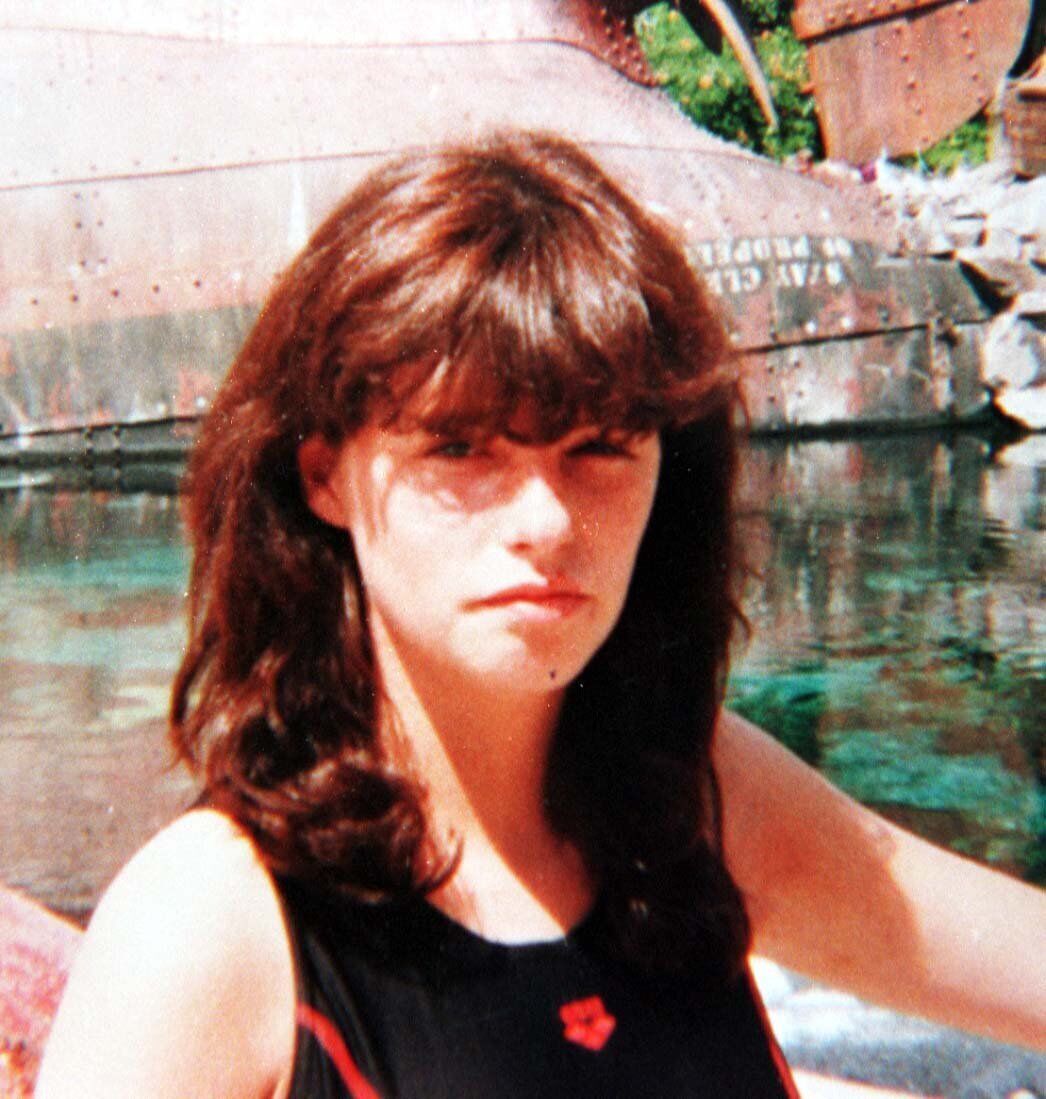
Emmy-nominated director of the documentary, Shauna Keogh accessed Fiona’s medical records as part of her 2019 investigation, clearly indicating that the 19-year-old mother-of-one was a victim of abuse, and up to six months into her pregnancy.

The medical records detail physical abuse such as kicks to the head and bite marks to her body. One medical document shows: “6 months pregnant” and “bitten by own (redacted word)”. The same document states that she was “referred to a social worker prior to discharge”.

The physical abuse as endured by Fiona, and recorded in the medical files, go back as far as 1994, to when Fiona was 15 years of age. One record shows how at 17, in late 1995, she was brought to hospital by gardaí at 4.40am, but was “not prepared to make a statement” to the authorities. She said she would inform her family but never did.

She went missing in 1998, very close to her home, as she was excitedly preparing for the first birthday of her 11-month-old daughter.

The last public sighting of her was on Sunday, February 8, 1998, leaving her local pub in Ballyhitt, just after closing time, where she was intending to walk back to her rented accommodation. On this night, she also made a call to her family home from the pub asking that one of her siblings come and join her. With early morning work commitments no one was able to accommodate her request.

In 2005, her apparent disappearance was finally upgraded to a murder investigation, and five arrests, leading nowhere, were made. Retired Garda detective Alan Bailey, who was the national coordinator for the special missing person task force ‘Operation Trace’, worked on Fiona’s case for 13 years. He told this newspaper that he believes Fiona’s case to be the “most solvable” of all missing person cases in Ireland.

Ciara Breen

Furthest north in the triangle is Dundalk, Co Louth, and the case of Ciara Breen, who was just 17 years of age when she went missing from her home in February 1997. A man, aged 34 at the time of the teenager’s disappearance, was the key suspect in her murder.

He, however, died several years ago while in garda custody.

Ciara Breen went missing in 1997.

A number of witnesses claimed Ciara had left her house late at night to meet the man, him having previously approached her in a chipper, but he denied all knowledge of her whereabouts.
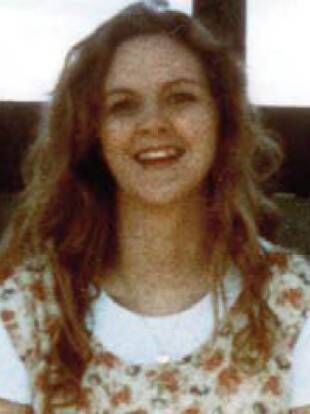
The Dundalk man was arrested twice over her disappearance. Ciara’s mother died without ever knowing the whereabouts of her daughter’s body.

Fiona Pender

Fiona Pender was 7 months pregnant at the time she went missing in August 1996.

Into the midlands area of the triangle is the case of Fiona Pender, 26, again who seemingly vanished into thin air from the security of her home in Tullamore, Co Offaly, in August 1996.

She was seven months pregnant at the time of her disappearance.

And like Fiona Sinnott and Ciara Breen, gardaí believe she was killed by a man known to her.

When it comes to homicide cases, they are more often than not, organised-crime related, but when it comes to femicide — the killing of women and girls by men — intimacy and knowledge of the perpetrator is the lead statistic.

In Women’s Aid’s most recent Femicide Watch report, published last month, it shows that 258 women have died violently in Ireland since 1996.

A total of 87% of women (where the case has been resolved) were killed by a man known to them, 204 or 80% of cases have been resolved. And 165 women were killed in their own homes.

While a woman of any age can be a victim of femicide, like the age profile of those in the Vanishing Triangle, women under the age of 35 make up 50% of cases in Ireland.

And one in every two femicide victims is killed by a current or former male intimate partner, this was the case in 55% of resolved cases.

There was no mysterious Vanishing Triangle in Ireland, no serial killer on the loose, because in many cases most signs pointed to stalking, abuse and intimate partner violence.

This blindspot, or unconscious bias, that crimes such as murder did not happen in an intimate space, has cost families decades of unimaginable grief, missed chances at resolution, and living with the pain of never having the dignity of a body.

Now, 30 years on, we hope the notion that what happens “behind closed doors” is not the business of the law, has been vanquished.

More in this section

Revoiced

Newsletter

Sign up to the best reads of the week from irishexaminer.com selected just for you.

Cookie Policy Privacy Policy Brand Safety FAQ Help Contact Us Terms and Conditions

© Examiner Echo Group Limited