Lest We Forget the Famine: We need to mark our Holocaust
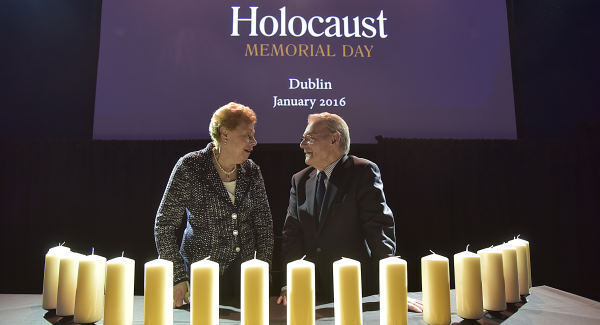
Today’s reflective ceremonies recognise that atrocity is a recurring failure. Those events will remember genocides in Cambodia, Rwanda, Bosnia and Darfur. That Aleppo might be added to that harrowing list shows how despite our best efforts, our capacity for savagery remains undiminished.
How a society marks tragedy offers a window to how that society imagines itself, its place in the world and its contemporary relationship with those who once subjugated it.
Yesterday, Australia marked Australia Day by conferring citizenship on many of those who have settled on that continent. It was a day of celebration but those who challenge the founding myths of Australia tried to make their voices heard over the beach parties and the Waltzing Matildas.
One of those to do that in the most perceptive way is Matt Chun, an artist who described Australia Day as “National Dickhead Day”. The response has been visceral and entirely predictable. However, nearly all of the arguments he makes could be levelled at the historical foundations supporting our image of ourselves.
Whether we are, as we approach the centenary of our Civil War, interested in applying the Chun test to our national story is an open question but it is one very much worth asking — and answering too.
One strand of the story of how we remember is no longer an open question. Our belated acknowledgement of the role many thousands of Irish people played, and the sacrifices often inflicted on their families, in both world wars is very welcome. This assertion stands even if earlier silences can be understood but not admired.
It is one of our history’s ironies that ending official Ireland’s anti-British omerta on this story was redemptive and transformative.
The deconstruction of this denial, one that made it difficult even for someone as inspirational as Tom Crean to discuss his great Antarctic achievements, reached a high-water mark last July when Sinn Féin’s Martin McGuinness visited the Somme to mark the centenary of that tragedy.
The Somme, and the fate of the Ulster regiments involved remains iconic for unionism — even if very many nationalists were involved too. That acknowledgement was a unifying moment and epitomises the power of compromise seemingly absent at Stormont today.
Holocaust Memorial Day must prompt a question for everyone on this island and maybe among the millions of those descended from Irish emigrants.
How do we mark our Holocaust — The Famine? Proportionately, the Famine had a far greater impact in Ireland than the evil epitomised by Auschwitz had on cultures decimated by the Nazis but we don’t have a meaningful, proportionate memorial day, one that is taken seriously or one that might provoke some reflection beyond the celebration of questionable militarism. It is time we balanced the St Patrick’s Day buffoonery with a dignified, sombre, inclusive day of reflection on the legacy of An Gorta Mór.
We need our own Lest We Forget remembrance.