Sustaining failure will cost us all dearly
The phrase, a collective doffing of the cap, reflected a resignation that bordered — and still does — on capitulation. That sense of well-honed resignation helped us realise instinctively we would not, unlike Iceland, where 26 bankers have been jailed, impose any real sanction on the handful of adventurers who brought this small, productive country to the very edge of the precipice. Events of recent days and weeks, months and years, suggest it is time to modify that phrase, to make it relevant to today’s circumstances and vulnerabilities.
At a moment when year-on-year motor insurance costs have jumped by 38% — in some cases that increase was 300%; when the housing market is gathering the kind of property-porn momentum that suggests another bubble in the making; when the realities of the private sector pension collapse are ever more disturbing; when health insurance costs climb at multiples of inflation; when historically low interest rates are eating savings, maybe it’s time to recognise that today’s financial sector — banks and insurance companies — are “too big to control”. In reality, they have been for a long, long, time. But that uncomfortable truth seems to cut more deeply each and every day, with each and every new imposition on consumers. The whatever-you-like-yourself tax deals, enjoyed by many multinationals inflames this narrative too.
That characterisation was confirmed in recent days when the Oireachtas Finance Committee published a report on soaring motor insurance costs. That committee had to complete its work without a full understanding of the sector as the industry does not publish data on out-of-court settlements — around 70% of claims are settled this way. Rather, it blamed rising costs, higher awards and legal fees. Because of their lack of transparency, we can only take their word for it but it would be interesting to speculate about how Alan Shatter’s eviscerated legal services legislation might have influenced those legal costs.
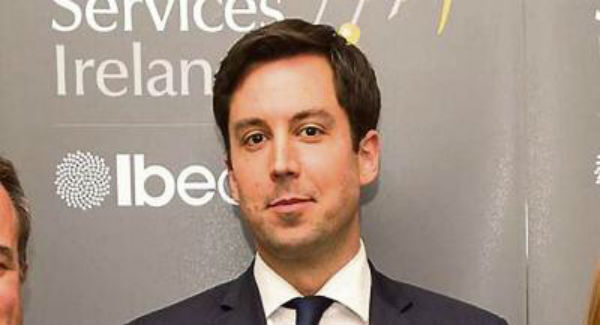
In any event, Minister for Financial Services Eoghan Murphy is preparing a second report. Whether it will curb motor insurance gouging remains to be seen, especially as all efforts to control health insurance costs, rents, housing costs and the cost of public services to buffer citizens from the very worst of the supply-and-demand paradigm have hardly been inspiring.
The last century’s revolutions to overturn the worst excess of autocracy and capitalism led to the greatest, modern man-made tragedies. The opening salvoes in a newer revolution have been fired — Brexit, Trump, the anticipated rise of the right in Europe all point to electorates sick to the gills of the old, exploitative ways. Ireland’s tragedy is that those with political power seem transfixed, unable or unwilling to challenge our failing, stumbling way of doing things. That inertia will, in time, change Irish politics forever but the price will be borne by each and every one of us. It is still not too late.