Anthony Foley: Stand up, fight on
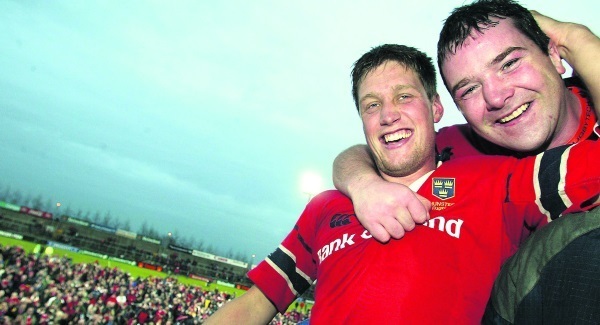
BY ANY criteria, by any yardstick anywhere, at any time, the reaction to Anthony Foley’s tragically premature death has been extraordinary.
Anthony Foley: Stand up, fight on

This afternoon, when Munster and Glasgow meet in Thomond Park, that heartfelt public sorrow and real empathy will be concentrated in a way without precedent in recent Irish history.

On Wednesday night, when Foley’s body was brought back to Limerick and passed his spiritual home, Thomond Park, for the last time, the communal expression of great sorrow, deep respect, and incomprehension at death’s random, unexpected calling was profoundly moving.

On Thursday, his adopted homeplace, Killaloe, came to a standstill as thousands came to honour the man and to try to comfort his family. Yesterday’s funeral ranks among the most poignant expressions of public grief seen in this country for many decades.

That nearly every significant figure in Irish rugby, everyone from Paul O’Connell — Munster, Ireland, and Lions captain, with 108 caps — to the many, many volunteers happy to work with their local U14 teams, felt obliged to be there, if they could, tells its own challenging but uplifting story.

Rugby was not by any means the only sport represented, a reaction to the sporting ecumenism that was such a feature of Foley’s life.

Extraordinary grief is not unusual when the first of a generation — the Golden Generation of Irish rugby, as it was called — dies unexpectedly at the age of 42.

When such a well-known and admired cohort is first touched by the inevitable press of mortality, so very long before its time, an extraordinary outpouring of grief can be expected.

But even if Foley’s achievements as a player and a leader remain so very fresh in Munster’s collective memory — it’s just over a decade since he led Munster to their first European Cup — the reaction to his death cannot be gauged purely as the celebration of a sportsman, no matter how impressive, no matter how many caps, trophies, or medals he may have gathered.

His friends have been effusive in describing the man, his honesty, his attitude towards building a realistic expectation of success.

One after another, they described the qualities obvious to us all, but many also referred to the private, quiet encouragement at a moment of difficulty in their lives.

Irish international and Lion Hugo MacNeill said it well: “The profound sense of loss goes well beyond those who would normally be touched by the passing of a sportsman so young... We feel the loss of someone who helped build something special, much bigger than the winning of any particular championship or tournament. Anthony Foley built something special through harnessing the qualities and values of people at their very best.”

The reaction to Foley’s death goes well beyond sport, because he exemplified the very values so many institutions — churches, parliaments, banks, and trade unions — have thrown aside.

Our challenge now is to remember him by insisting on the restoration of those great values to public life.

Today at Thomond Park, Foley will be remembered fondly but the obvious grief will be as much about lost values as a lost sports hero. That may be Axel’s greatest legacy.

More in this section

Revoiced

Newsletter

Had a busy week? Sign up for some of the best reads from the week gone by. Selected just for you.

Cookie Policy Privacy Policy Brand Safety FAQ Help Contact Us Terms and Conditions

© Examiner Echo Group Limited