Gareth O'Callaghan: Politicians spent decades dodging straight answers — now voters are turning elsewhere
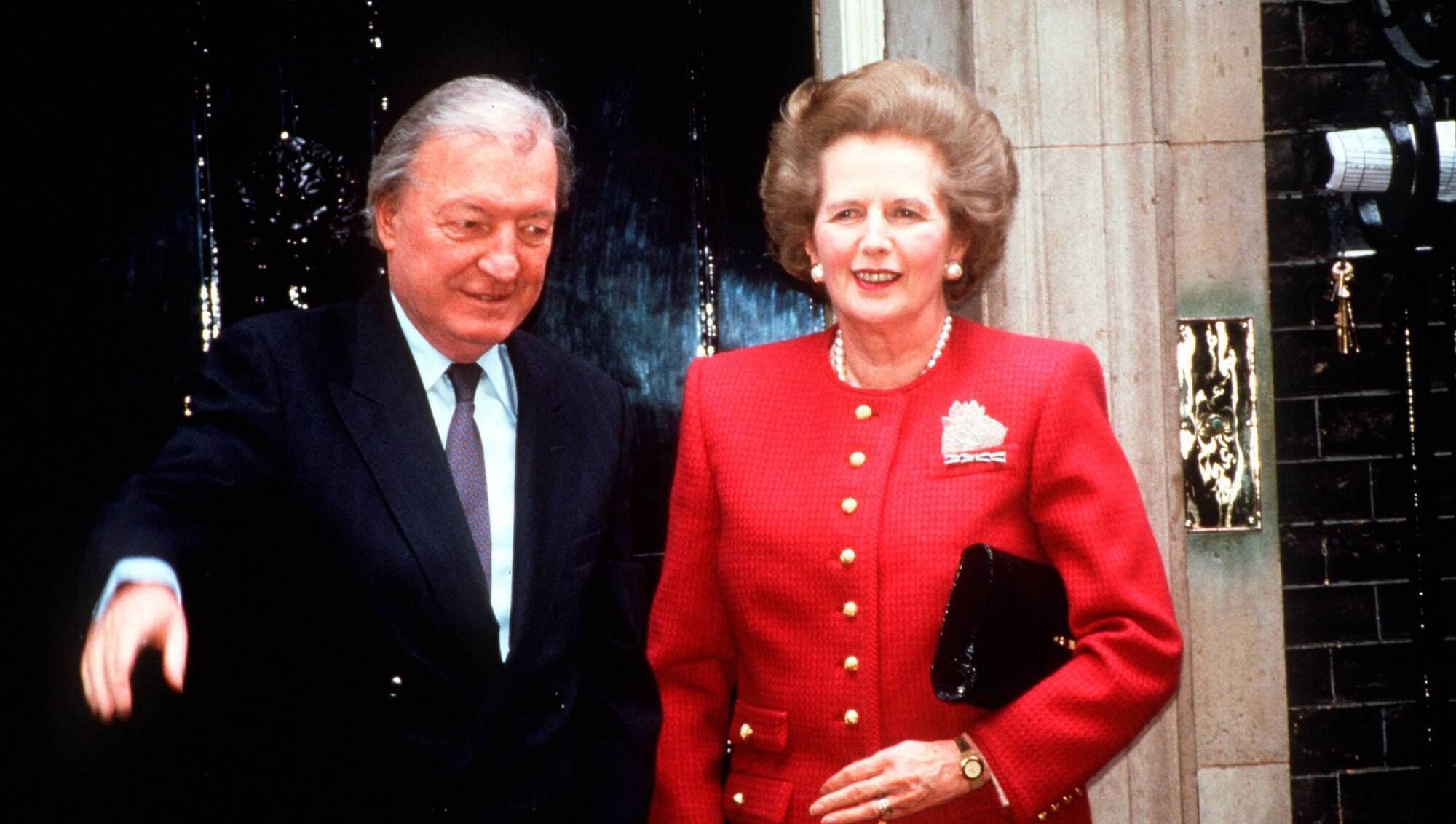
Former taoiseach Charles Haughey with British prime minister Margaret Thatcher.

James Callaghan, the former British prime minister, once said a lie can be halfway round the world before the truth has got its boots on. It’s what is known as a truism – words often used by politicians to validate what they’re talking about, without the need to fall back on proof.
A truism is rooted in common belief. It’s a social consensus in the sense that politics was once a noble profession, and politicians had our best interests at heart. Political truisms were regarded as self-evident and generally undisputed. They haven’t been for a long time. Trust in Ireland’s political system and its politicians, to put it mildly, is not what it used to be.
Callaghan’s words, spoken in 1979, were prophetic. He was emphasising the challenge of combatting misinformation. He went on to say: ”You know there are times, perhaps once every 30 years, when there is a sea-change in politics”.
Less than four months later, Margaret Thatcher became prime minister.
Pivotal moments in politics are rare. They happen on average every third decade, as Callaghan said. It’s almost 30 years since Tony Blair’s New Labour brand was the party’s first sweeping victory over the Tories in 30 years — since 1966. It was seismic. It seems the number 30 is not just a coincidence in electoral shifting.
The challenge of combating misinformation has never been greater than now. With the rise of populism, and the increase in lies, fake news and propaganda, can there ever be a trusted relationship between truth and politics again?
Lies circulate widely and rapidly, while the truth struggles to catch up. Lies are borderless, while truth still needs protocol. In other words, if you’re explaining, you’re losing.
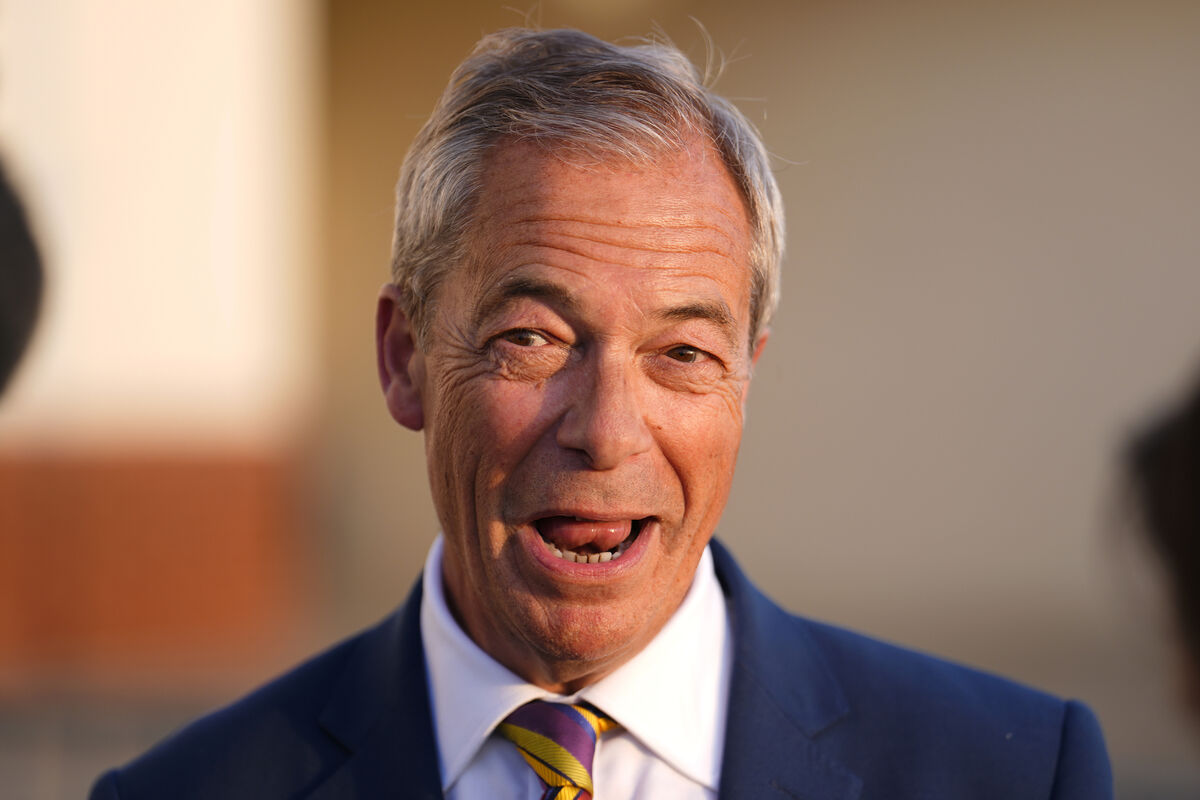
UK politics is in tatters. The two governing parties that have dominated British politics for more than 100 years — Labour and the Conservatives — are circling the wagons. It’s difficult to see how either of them will survive. It appears as though the 30-year-old curse is about to strike again, but in an entirely different scenario.
Should we be worried? It’s unlikely Ireland will see anything like the scale of the Nigel Farage and Tommy Robinson types for quite some time, if ever. But this is why truth must become something far more than just a toy that’s taken out to play with at election time.
We are in danger of drifting into an age of post-truth politics, a culture that is increasingly dominated by a contagion of anxiety and emotional resonance about what are accepted facts as distinct from highly-charged personal beliefs and disinformation.
Untruths register highly on an emotional level while playing down researched evidence. For many people, the truth cannot compete with convincing lies. We are in danger of falling into the trap of "truthiness", a word coined by comedian Steven Colbert to describe a belief that gut instinct is far more important than any fact-based discussion.
There’s a growing hostility here in Ireland, as in most countries, to mainstream journalism and news reporting. Consensus reality, which once held society intact, is in danger of breaking down.
Time to talk thirty again. In 1996, I was discreetly sounded out to see if I would consider running in the 1997 general election for the political party that my family voted for since its inception 100 years ago. I was 35. It was a very different time in our cultural history.
Read More
Ireland’s economy was the fastest-growing in Europe, from relative poverty five years before. The most notable change was that living standards were the best they had been in decades. The Celtic Tiger was roaring. Everyone had money. Betting punters were buying their very own pedigree racehorses, taxi drivers were buying posh apartments in Bulgaria.
It was an excellent time to be a politician, because back then we turned a blind eye to any misgivings. Anyway, we were all far too busy spending money we hadn’t earned. Following much consideration, I declined.
Towing the party line has never been one of my virtues, and the notion of being told what to say in those tense moments — instead of saying what you know you want to say — didn’t rest easy with me.
Truth has always been important to me. The idea of not giving an honest answer to an honest question, when the person asking it is in dire straits and needs support, grated on my integrity and still does.
Thirty years later, old-school politics has been exposed as weak and shoddy. Its outward structures appear solid, but its interior is soulless. There’s no point in saying the system isn’t fit for purpose, because it isn’t going to shift much in my lifetime.
Why can’t politicians give a straight answer to a straight question? Why do they point-blank avoid awkward questions? Why do they resort to the art of equivocation to avoid committing themselves?
What if all the potential responses to a question result in what’s known as a communicative conflict, which means the politician must answer the question but the outcome has no positive consequences for him? That’s usually when they resort to equivocation — the use of ambiguous language to conceal the truth.
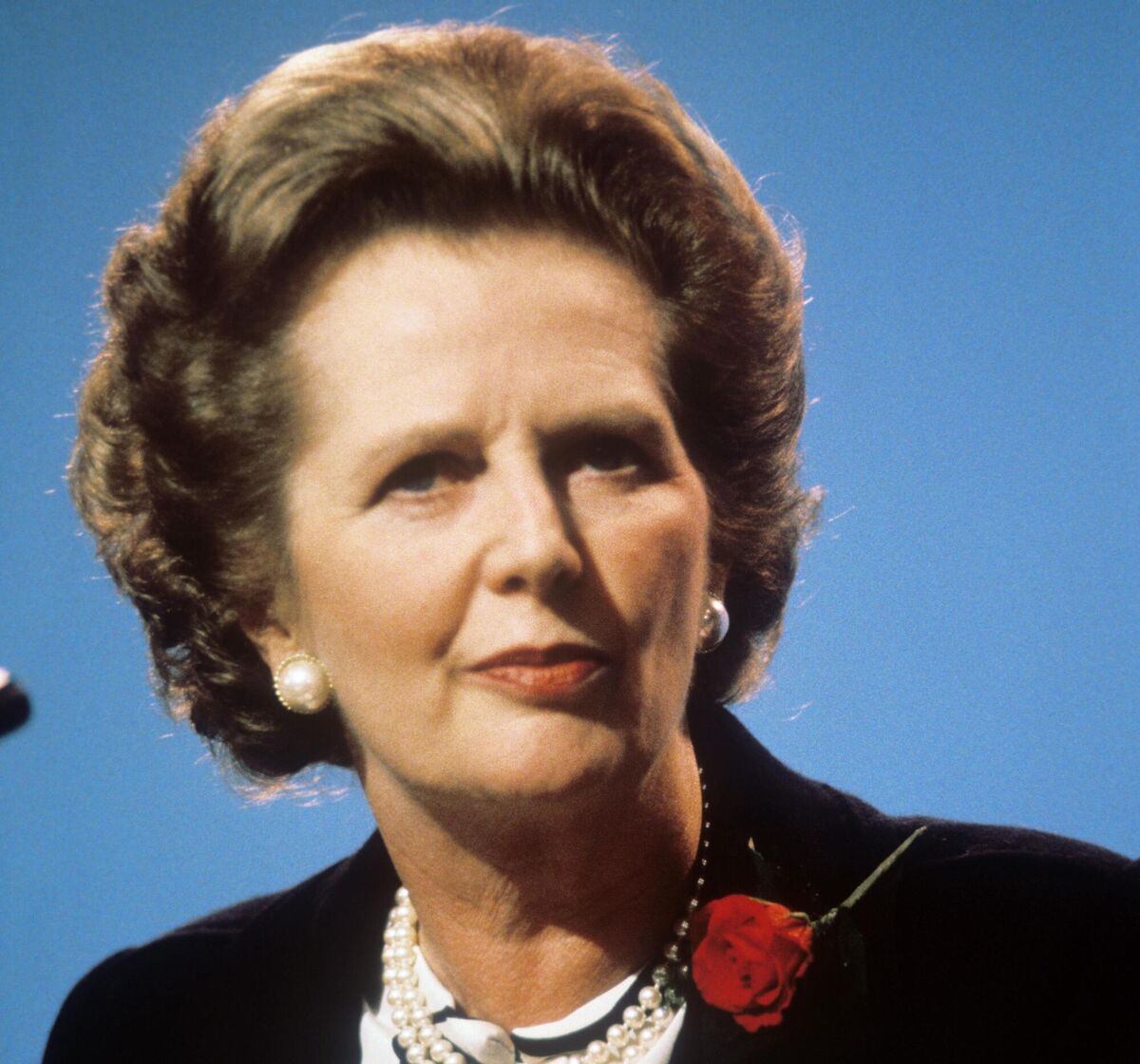
Who remembers Brian Walden’s 1989 interview with Margaret Thatcher, when he persisted in asking her the same question over and over about the resignation of British chancellor Nigel Lawson. Thatcher famously shut Walden down live on-air by replying: “You have asked me the same question about five times and I have given you the same answer”.
The 1990s became the decade of what political analysts might have called the era of justified dishonesty. They were the halcyon days of the self-interested lie — the type of lie that gains or retains advantage over others.
Thirty years later, it’s those same exploitative self-interested lies that gave rise to a lack of trust in our politicians. No truth, no trust. People got badly stung when the bubble burst in 2008. The financial crisis back then is still empowering the rise and rise of far-right populism. And it won’t stop.
Banks, politicians, and economists all shrugged off responsibility for what happened, but in doing so they have done staggering damage to liberal democracy.
During his address at his party’s ard fheis last weekend, Micheál Martin said: “Let others practise the politics of anger — the politics of exploiting people’s problems”. They were unfortunate words considering the "people’s problems" — the cost-of-living crisis, the lack-of-housing crisis and crises in health and education — belong to those who are not being heard because of years of government equivocation.
Is it any wonder those most hurt are looking to what they see as other sources of leadership who they hear talking their language? Most people who are up to their eyes in debt don’t know the meaning of the term right-wing populism. Poverty is traumatising. They are crying out for a listening ear and they feel they've found one.
Trust is a dangerous weapon. In the end, it was Thatcher’s cabinet — each of whom she had personally appointed — who ousted her. In her 1993 memoir, she called it “treachery with a smile on its face”.
Thatcher, like most long-serving political leaders, believed she was irreplaceable, but as they all find out in the end, nobody is irreplaceable. And while politics has always been treacherous, it's even more so now, when the truth can’t find its boots.
CONNECT WITH US TODAY



Be the first to know the latest news and updates