Cork: A great spot for birds
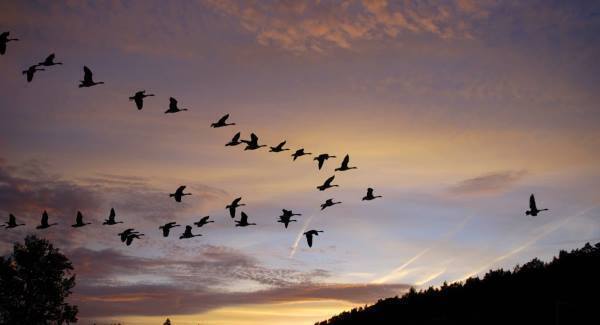
A wonder of the natural world is currently taking place.
Cork: A great spot for birds

Given Ireland’s location in the North Atlantic, it is an important winter location for migratory birds, some of which travel huge distances and face daunting challenges as they fly from their breeding areas to wintering grounds here.

By now, summer visitors like swallows and the few remaining corncrakes have probably left for Africa and warmer climes, while geese, swans and wading birds are moving in their hundreds of thousands from colder Arctic regions in advance of winter.

Due to our relatively mild winter, our wetlands and mudflats do not freeze over and offer ample water and food for visiting birds.

According to Birdwatch Ireland, upwards of a million water birds come here each winter.

The innovative East Cork Bird Trail is regarded as one of the best in the country, with 28 locations. Ballycotton Bay, for example, has for long been one of the best places for seeing wading birds in autumn and is also home to numerous wintering wildfowl.

The South and East Cork Area Development (SECAD) group is managing an area of international importance for bird life and wetland habitats.

In planning the trail, the group set out to preserve a fragile natural resource, while at the same time promoting tourism in the area. As more people become interested in wildlife, bird-watching is a growing pursuit.

Interpretive signs, also containing snippets of local history, have been provided at the locations and people can use their smart phones to get additional information. A foldover map and a website have also been provided.

Stretching from Rocky Bay to Youghal, the area has the potential to lure international birders as it boasts excellent viewing conditions and a wide variety of birds, including fulmars, oystercatchers and little egrets.

Rafeen Creek is an important feeding area for many species of wintering wildfowl, while the booted warbler, Alpine swift and ivory gulls can, among many other birds, be spotted from the Ballycotton cliff walk.

Ballynamona Strand has an international reputation for a long list of rare birds.

Some of our avian visitors are passing through and have a fuelling stop before heading further south.

Others remain, like the Greenland white-fronted goose, which comes in September; the whooper swan and the Canada goose, both of which touch down in October.

The Greenland goose is dispersed fairly widely and makes itself at home in bogs, wetlands and even farms. Around 7,000 of these birds winter in the Wexford Slobs.

Whooper swans come here from Iceland and, ornithologists tell us, cross 1,000 km of sea, in around seven hours.

More in this section

Revoiced

Newsletter

Sign up to the best reads of the week from irishexaminer.com selected just for you.

Cookie Policy Privacy Policy Brand Safety FAQ Help Contact Us Terms and Conditions

© Examiner Echo Group Limited