Treasures wash in with tide
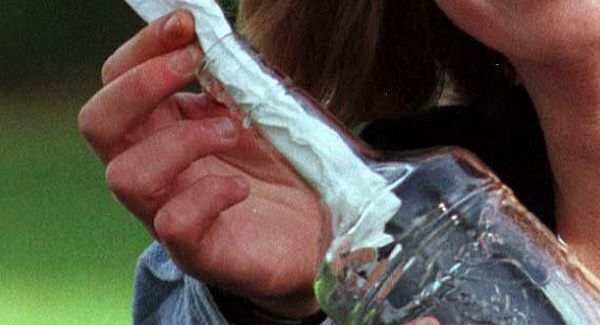
BE IT an intriguing message in a bottle from some far-flung corner of the world, or even a glittering gold nugget, the oceans have ways of hiding things until, seemingly, the right person just happens along. 
Treasures wash in with tide

Most of us probably don’t notice much as we stroll by the seashore, but the practised eyes of beachcombers are always focused on what the waves and tides bring in.

There are hundreds of shipwrecks in the seabed along the Wild Atlantic Way, including the 1588 Spanish Armada. As these disintegrate over time, some of their artefacts are washed ashore. Coins, gold, and silver can be among the treasure troves.

The mercurial sea is slow to divulge its secrets. In 2012, the biggest ever gold nugget found in Britain was discovered by a beachcomber in Anglesey, Wales.

Egg-shaped, weighing just three ounces and worth ÂŁ50,000, it is believed to have been part of a haul from an 1859 shipwreck. Last year, a man using a metal detector found two gold Roman rings and a silver belt buckle at Dundrum Bay, Murlagh, Northern Ireland.

Artillery shells, believed to date to the early 20th century, were exposed on the beach at Rossbeigh, Co Kerry, four years ago, while military mines have been washed up in other areas, including Ardmore, Co Waterford.

Buoys are commonly found, while blue glass beads and even parts of space rockets are among the rarer discoveries.

People have always been drawn to the shore, often to collect practical objects, such as timber, as we learn from Blasket Island literature, for instance.

Nowadays, treasure hunters appear to be the most dedicated beachcombers. They live in the hope that amidst all the flotsam and jetsam and tonnes of marine wast, some rare valuables may lie.

Naturalists look for seashells, or exotic ocean voyagers, such as the quaintly-named by the wind sailors (velella) jellyfish which can be blown ashore in their millions and which have a nasty sting.

Then there are mermaid’s purses, eggs of skate, rays and sharks, and all sorts of bizarre creatures and plants.

You never know what will turn up. An item thrown into the sea off America, or even further away, can often end up on an Irish beach.

Take the story of Jeremiah Burke, from Glanmire, who with his cousin, Nora Hegarty, was on the ill-fated Titanic.

Jeremiah’s mother had given him a bottle of holy water for the voyage and, as the great ship began to slip beneath the waves, he found time to write a message, “From Titanic, goodbye all, Burke, of Glanmire, Cork’’.

He placed it in the bottle. The cousins died in the tragedy but, a year later, the bottle was washed up not far from Jeremiah’s family home. It was donated to the Cobh Heritage Centre, in 2011.

x

More in this section

Revoiced

Newsletter

Sign up to the best reads of the week from irishexaminer.com selected just for you.

Cookie Policy Privacy Policy Brand Safety FAQ Help Contact Us Terms and Conditions

© Examiner Echo Group Limited