Outrage as Tipperary council moves to demolish nearly completed homes left idle since 2007
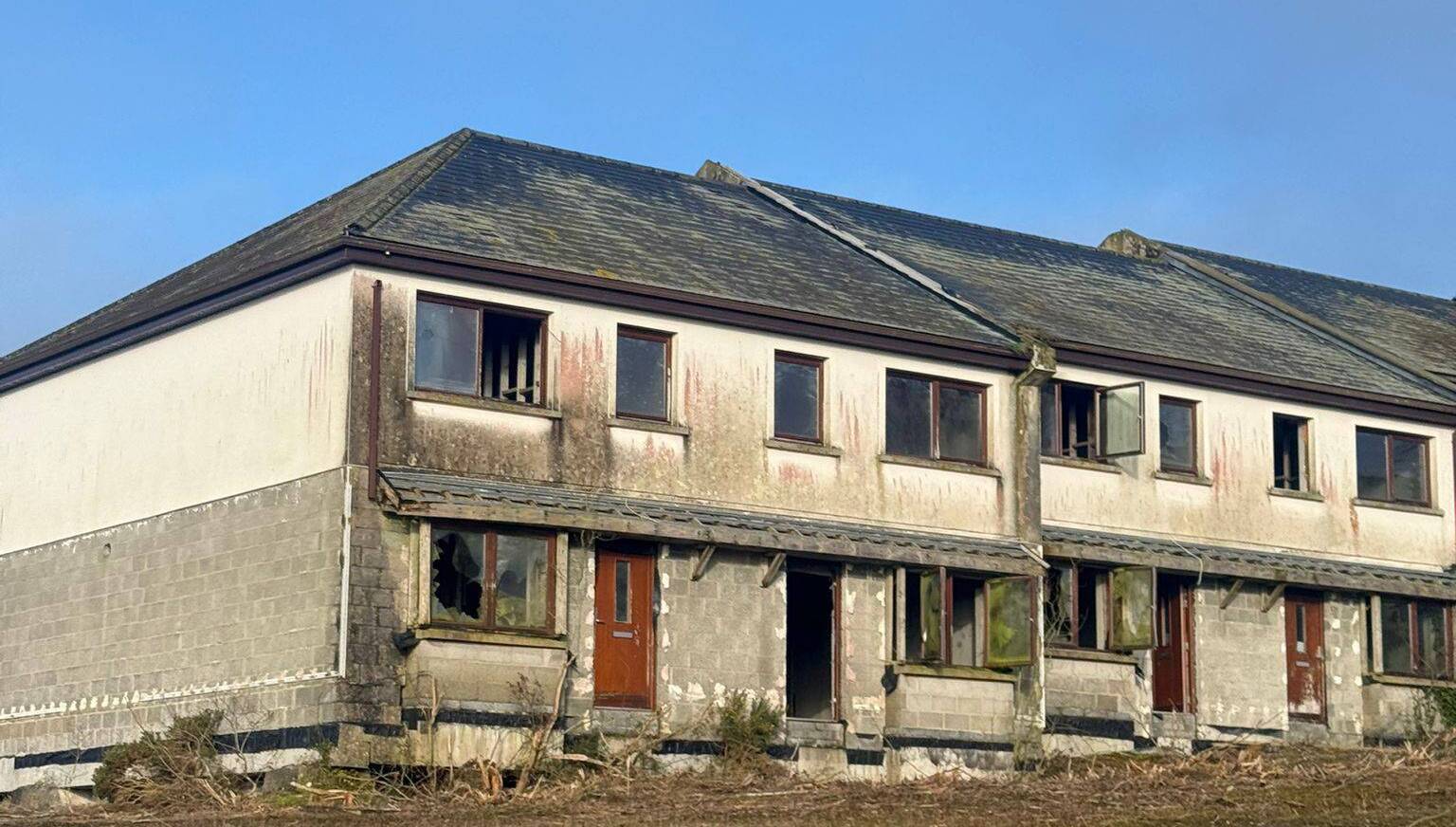
Work on the homes at Ballypadeen, Cashel, stopped in 2007, but have been subject to nearly two decades of legal battling, the outcome of which the council says is confidential.
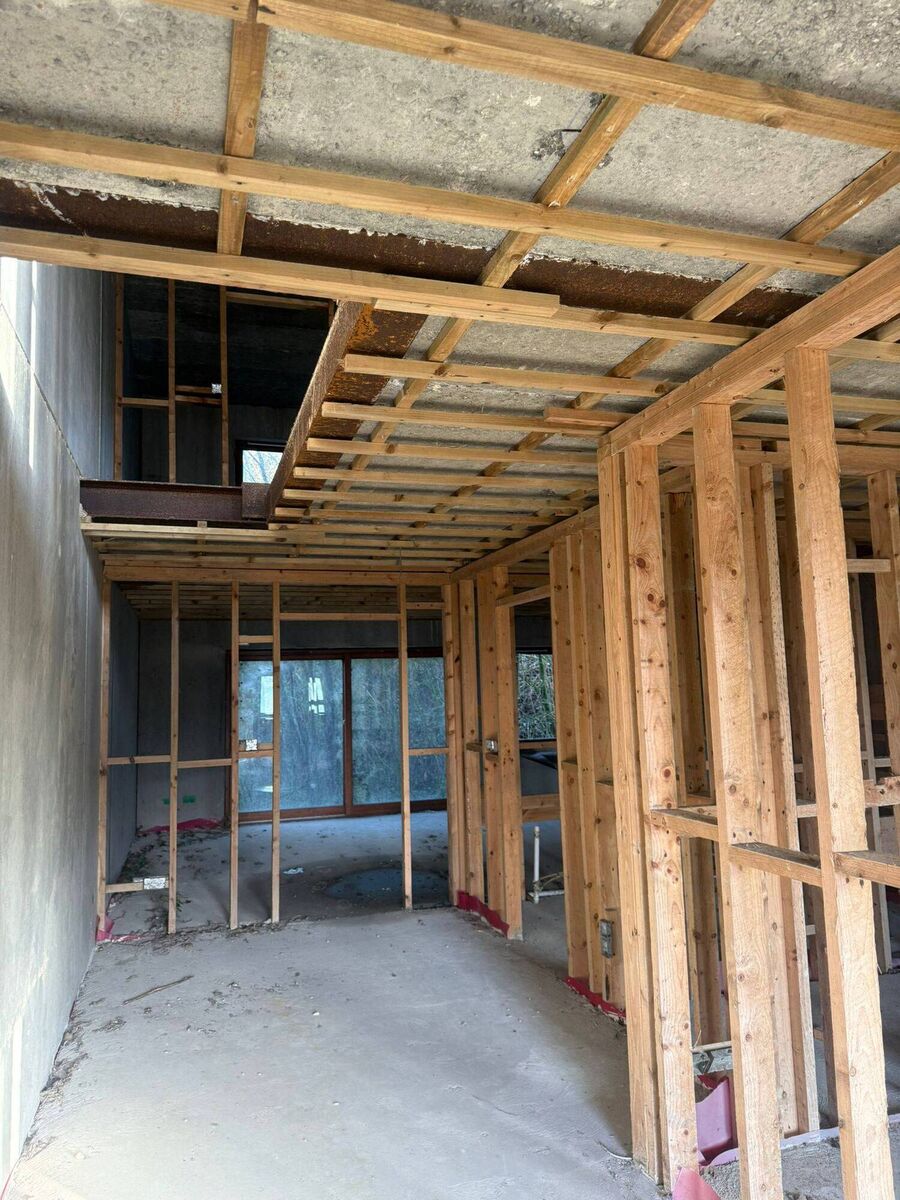
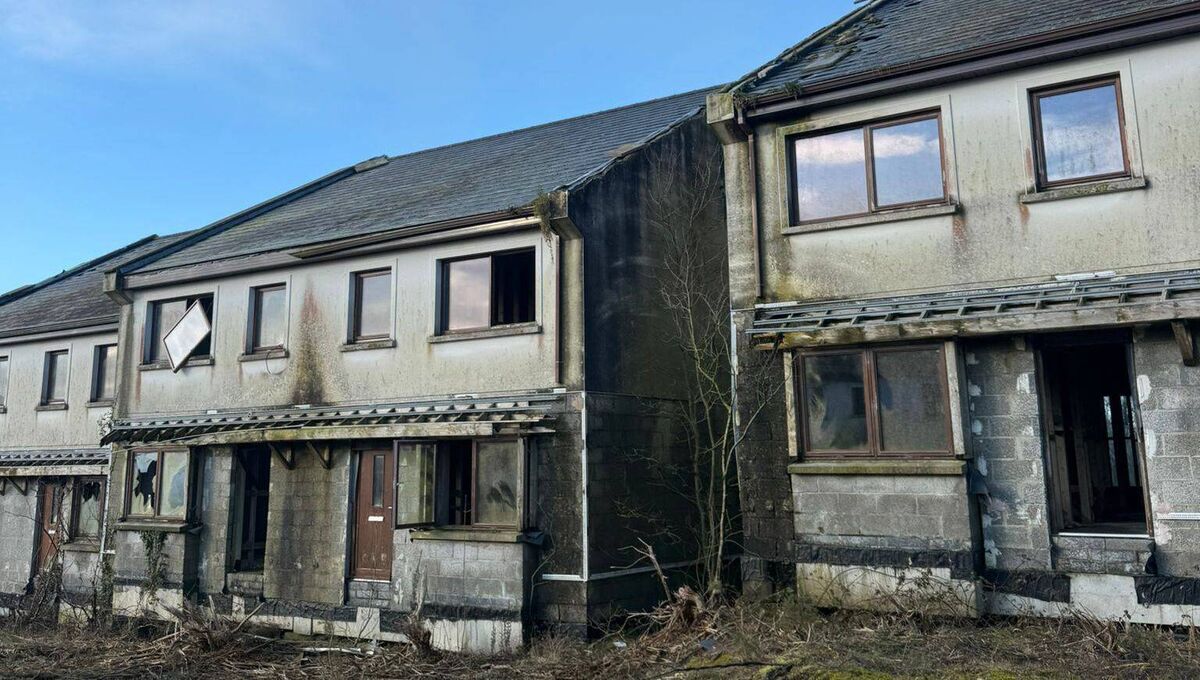
Tipperary County Council is set to demolish 52 partially completed Celtic Tiger-era homes in a move a local TD has slammed as "fundamentally flawed, lacking transparency, accountability, and basic information".
Work on the homes at Ballypadeen, Cashel, stopped in 2007, but have been subject to nearly two decades of legal battling, the outcome of which the council says is confidential. The partially completed homes had been earmarked to form part of a tourist destination on the edge of Cashel.
The council has now submitted a Part 8 planning application for the demolition of the homes, "including the crushing and the removal of the waste material off site to a licensed operator".
In a submission to the council's plan, Independent TD Mattie McGrath said it was concerning under a number of headings. He criticised the description of the scheme as "remediation", saying that "no actual ‘site remediation works’ are proposed".
In a statement, Tipperary County Council said its application "forms part of an agreed remediation approach". It added that the land will remain the property of the previous owner.
"The lands will remain in the ownership of the existing property holders," a spokesperson said.
They added that the cost of the demolition of the houses "will not be fully known, pending the outcome of a tender procurement process, and subject to approval of the Part 8 Planning application", though a tender puts the cost at up to €400,000.
Mr McGrath's submission says the application has a "complete absence of cost information, with no financial analysis provided to justify or explain the enormous public expenditure associated with such large-scale demolition".
The TD has previously suggested the overall cost could be more than €7m. He hit out at the demolition of nearly completed homes in the midst of a housing crisis.
The council said enforcement actions on the site "began more than two decades ago and, ultimately, became part of a complex legal process", and that this meant the issue could not be discussed by councillors.
"Mediation was considered the most efficient and cost‑effective route to resolution, avoiding what would likely have been lengthy and costly further legal proceedings," the council said.
"Legal procedures required that the council follow the direction of its insurers, who managed the litigation. Due to this and the binding confidentiality clause, it was not legally permissible to discuss the details of the case at council meetings."
Councillor Máirín McGrath said: "In a time where the local authority is providing grant supports to renovate houses that may be decades old, I struggle with the notion that there is no option but to demolish these houses built in the early noughties".
"Questions around the cost of the proposed site remediation works must be fully addressed before councillors can reasonably be asked to approve a Part 8 resolution.
"This is essential so that the comparative cost of completing the site and bringing the 52 units to a habitable standard can be fully determined and understood. In the housing crisis that we are in, the clear objective for all concerned must be to bring any potential buildings into active housing stock where possible."
Tipperary County Council said that the development "lacks the essential services and infrastructure required for residential use, and does not align with the local area development plan for Cashel and its environs".
"Even if zoning and servicing were appropriate — which they are not — the extent of work required to meet modern residential standards would be prohibitive, likely necessitating full demolition and reconstruction."
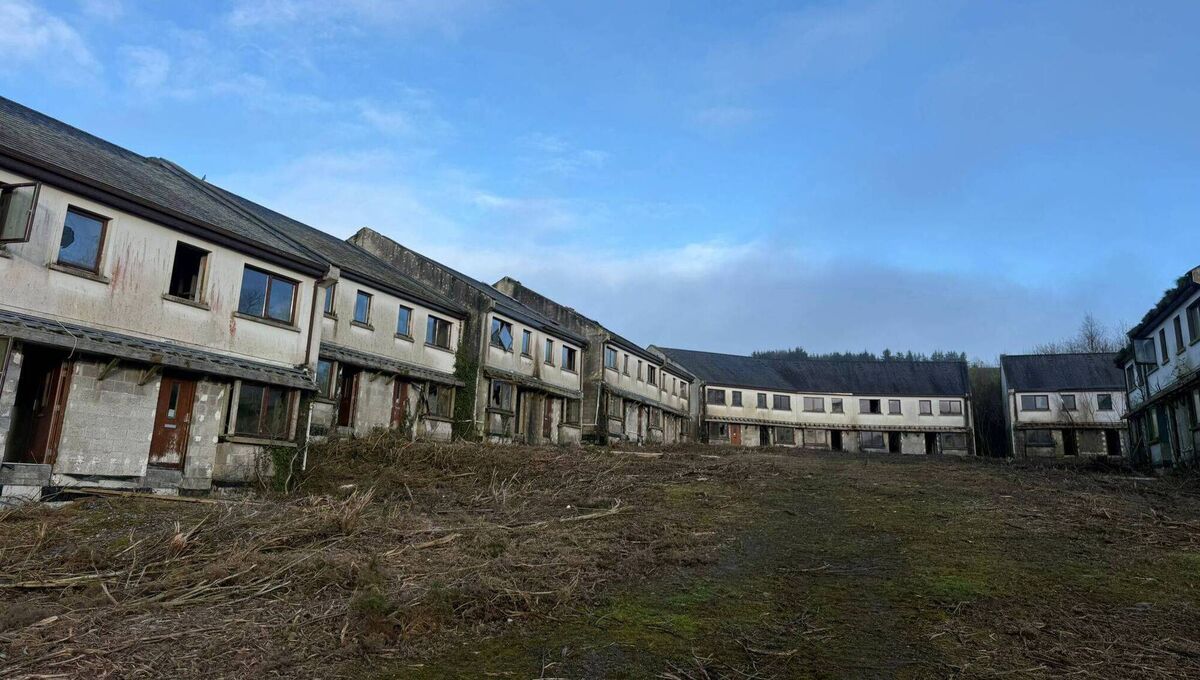
As for the site's future, the council said that that would be a matter for its owners.
"The future development of the land rests entirely with the property owners following completion of remediation. Any proposals will be subject to the county development plan and the statutory planning process."
- Paul Hosford is the Acting Political Editor with the
CONNECT WITH US TODAY



Be the first to know the latest news and updates