Silver lining in stormy weather sees oil prices fall
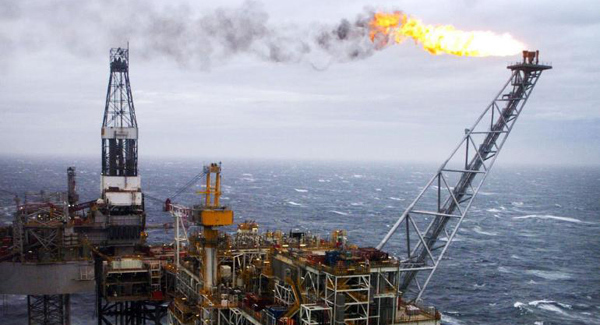
The cost of kerosene heating oil is now around half of what it was three years ago. In January 2013, people were paying around €920 for 1,000 litres, whereas the latest index on cheapestoil.ie has prices ranging from €465 to €530 for 1,000 litres.
The wet, stormy weather has highlighted the changing climate and, ironically, an overall increase in greenhouse-gas emissions across the industry, transport and waste sectors, in 2014, has been confirmed by the EPA.
However, the milder winter has led to a drop of just over 10% in emissions from the residential sector, mainly due to less use of solid fuel, the EPA also says.
Rising oil prices in recent decades resulted in a sizeable number of homeowners installing solid fuel stoves and returning to the use of wood, coal and, to a lesser extent, turf. The storms of two years ago and the largescale levelling of trees countrywide also provided ample timber for firing.
However, domestic fuel usage accounts for less than one-tenth of our greenhouse gas emissions. Over 70% of Ireland’s emissions come from three sectors. Agriculture remains the single largest contributor at 33.3%. Transport and energy are the second and third largest contributors at 19.5% and 19.1%, while industry and commerce are at 15.5%.
EPA director general Laura Burke says we are currently meeting our EU annual limits for greenhouse gas emissions, but significant effort is needed if we are to comply with our obligations over the next five years.
“It is clear that economic recovery is influencing our greenhouse-gas emissions, and we cannot rely on the luck of a mild winter to ensure compliance,’’ she says. “We must implement appropriate measures across all of society and the economy to break the link between prosperity and pollution.”
Anyone travelling the roads will have noticed an increase in traffic, so it’s not surprising that transport emissions rose 2.5% in 2014.
This was the second year of increases in such emissions after five consecutive years of decreases since 2007. With petrol and diesel prices falling, not to mention a 30% jump in new car sales, this trend is likely to continue.
All of which indicates the challenge facing us if we’re to have a low-carbon economy, with more energy coming from replaceable sources such as wind, water and sun, by 2050. Several government departments are working on plans to help bring that about, with the urgency of the task taking on added importance in the light of the recent Paris meeting of the UN Convention on Climate Change.
CONNECT WITH US TODAY



Be the first to know the latest news and updates