Aid commitments - We can, and should, be giving more
Whether the Taoiseach decides to go to the country in February or leave it until later in spring, there can be little doubt that the general election campaign has already begun, what with the number of public announcements and promises being made by the major political parties.

Aid commitments - We can, and should, be giving more

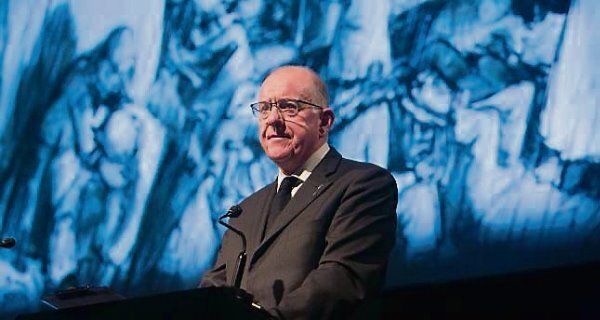
So far, the main focus for most of them — including the Government parties — lies in imparting good news. Yesterday, Foreign Affairs Minister Charlie Flanagan and his junior minister, Seán Sherlock, did so with gusto regarding Ireland’s foreign humanitarian aid programme.

They announced that Ireland is providing €11.75m in humanitarian assistance through the United Nations Central Emergency Response Fund to strengthen the UN’s response to the unprecedented level of humanitarian crisis worldwide.


The total amount of humanitarian assistance provided by Ireland through the Government’s aid programme rose to €100m in 2015, concentrating on the most severe crises in Sudan and Congo and across the Horn of Africa, as well as the conflict in Syria.

As Mr Flanagan acknowledged, throughout 2015, the world faced an unprecedented series of humanitarian crises. There are now 60m people displaced from their homes as a result of conflict and violence and half of them are children. This is more than at any time since the end of the Second World War.

He said he was “proud that, through our aid programme and the work of our NGOs, Ireland is recognised internationally for its consistent humanitarian assistance for refugees and people in crisis, even at difficult times at home”.

It is, indeed, true to say that Irish charities, aid organisations, and NGOs are recognised internationally as being among the most effective in getting humanitarian help to those affected by war and famine. It is also true that Ireland is nowhere near achieving the UN aid target of 0.7% of gross national income (GNI) in overseas aid.

Sweden, which gives 1% of its GNI, puts us to shame. So does the UK, which earlier this year passed a bill that enshrines in law its commitment to spend 0.7% of GNI on aid every year, making it the first G7 country to meet the UN’s 45-year-old aid spending target.

We have seen the human cost in the migration crisis in Europe this year with some of the EU’s poorest nations bearing most of the burden. Further afield, the conflicts in Syria, Iraq, Yemen, and South Sudan continue to affect staggering numbers of people, while, throughout Africa, millions of children are hungry and malnourished.

In that context, €100m (one sixth of our overseas aid budget) does not go very far. More is needed now and more will be needed in the future. There has been a surge in crises in recent years and 2014 saw an unprecedented four ‘Level 3’ emergencies — the highest category on its scale — declared by the UN.

With 60m people displaced and millions more the victims of war and natural disasters, humanitarian needs grow.

That means that our response must grow, too.

x

More in this section

Revoiced

Newsletter

Sign up to the best reads of the week from irishexaminer.com selected just for you.

Cookie Policy Privacy Policy Brand Safety FAQ Help Contact Us Terms and Conditions

© Examiner Echo Group Limited