Cats not the only lounge lizards
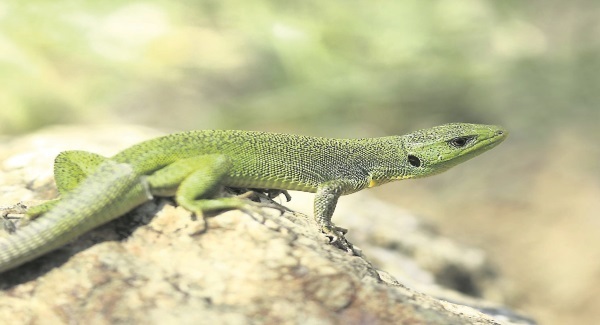

Darwin noted that domestic cats have larger guts than their wild cousins, writes Richard Collins
Cats not the only lounge lizards

Their ancestors, living in the Fertile Crescent 10,000 years ago, were recruited as mouse and rat catchers by the early farmers.

Did these pioneer house cats already have longer wider intestines or did this trait evolve subsequently among their descendants in captivity? A paper just published in The Science of Nature claims that lizards on Greek islands have adapted their digestive systems to cope with the food shortages common in isolated habitats. Did the ancestors of our cats do something similar under the pressures of domestication?

Plant cells are encased in cellulose, making them much more difficult to break down than animal cells. Vegetarian animals, therefore, are slower to digest their food and so their intestines are longer. European wildcats eat meat; their guts need only be four times as long as their bodies. Wolves and foxes, less exclusively vegetarian, supplement their diets with fruit and berries, so their guts are longer, around five times body length.

Early semi-domesticated cats probably ate food scraps around early farm dwellings. Developing a longer gut would enable them eat a wide range of nutritious foods, a valuable adaptation. Is that how the domestic cat became a partial omnivore?

The Balkan green lizard is found from Croatia to central Turkey. It’s the largest in Greece. Individuals can be up to 40cm long, from nose to tail. Active in the day, these harmless creatures impress tourists from our part of the world, where lizards are seldom seen. The colour can vary but typical ones have a light green head and torso merging into a long grey-brown tail. Dry pastures forests and scrubby Mediterranean shores are the habitats of choice. The reptiles feed mainly on creepy-crawlies, other small lizards and snakes.

Greek islands, including Crete, Lesbos and Rhodes, have thriving green lizard populations. Insularity brings benefits; for example, there may fewer predators to worry about. However, it also presents challenges; food shortages can become acute from time to time. Isolated populations, decimated by natural disasters famine or vegetation fires, risk becoming inbred. Facing starvation or prolonged periods of drought, lizards on islands had little option but to expand their diets.

Although they are insect eaters, island-based ones became partly vegetarian. Recent studies showed that plant material accounts for up to 30% of the food eaten by green lizards on islands, compared to only 10% for mainland based ones. However, how do the digestive systems of the more omnivorous lizards cope with this?

Kostas Sagonas, and a team from the University of Athens, compared the intestines of adult male lizards on the islands of Andros and Skyros with those of their cousins living on mainland Greece. He found the island-based ones have longer guts. Those on the much smaller island of Skyros also have longer stomachs than those elsewhere. It may take up to 26% longer for a food item to pass through the gut of an island lizard than through that of a mainland one.

Caecal valves in the hindgut slow the passage of food through digestive systems. They create little fermentation chambers in which bacteria can help break down plant cell walls. Sagonas found these valves in 62% of the island lizards compared to only 19% of those living on the mainland.

Lizards probably colonised the eastern Mediterranean when the climate warmed at the end of the last ice age. The Greek islands formed as the water levels rose. Lizard populations therefore, have been isolated from each other for up to 10,000 years. House cats and green lizards, in very different environments, seem to have evolved rather similar solutions to their food availability challenges.

  • Sagonas, K et al. Effects of insularity on digestion: living on islands induces shifts in physiological and morphological traits in island reptiles. The Science of Nature. 2015.

More in this section

Revoiced

Newsletter

Sign up to the best reads of the week from irishexaminer.com selected just for you.

Cookie Policy Privacy Policy Brand Safety FAQ Help Contact Us Terms and Conditions

© Examiner Echo Group Limited







