A shame if Europe closes its borders
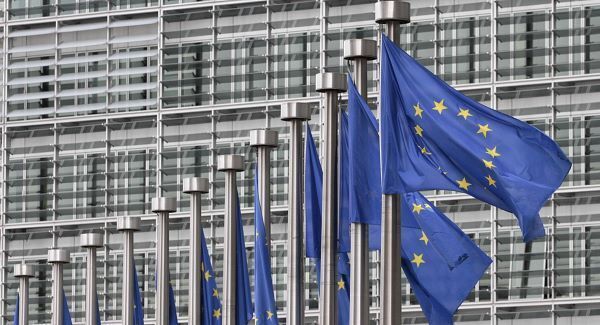
It was agreed in Brussels yesterday that EU member states would pass the details of all airline passengers flying into, out of, and within the union to law enforcement agencies for shared background checks.
The data can be held for up to five years, so that patterns of travel can be tracked and analysed for suspicious trends.
Though it tramples on the principle of personal privacy, it sounds a reasonable measure, give the times we are in, except that it won’t catch home-grown terrorists already in Europe, while those who come from further afield can enter the union, and move within it, by land.
So what this new Passenger Name Record Directive is more likely to be is a step towards the long-term reintroduction of internal border controls. In other words, the suspension, possibly even the death, of the Schengen Agreement.
It will become a topic of much debate in the coming months, as the emergency restrictions granted to some members expire and others seek to impose their own temporary controls. Schengen represented freedom of movement and freedom from fear. It stood for trust and co-operation, and it was a fine ideal. Dismantling it would mean huge changes for what the EU was meant to be.


CONNECT WITH US TODAY



Be the first to know the latest news and updates