Duhallow group honoured for wildlife and environmental work
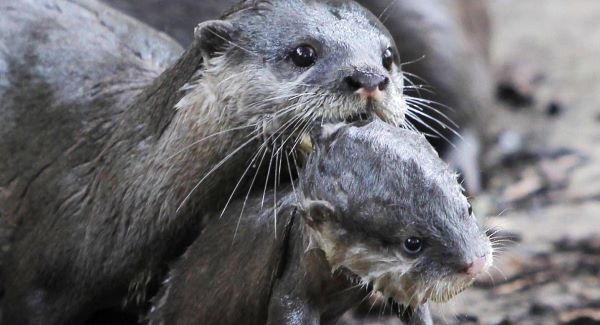
Newmarket-based IRD Duhallow has been acclaimed for projects to protect the otter, hen harrier and freshwater pearl mussel and the latest recognition is for its efforts to eradicate an invasive plant, Himalayan balsam, from the banks of the River Allow.
Cork Environment Forum will present the community development group with a prize at a function in the Firkin Crane Centre, this Thursday night.
The plant was introduced here from India, in 1839, as an ornamental garden plant with pretty purple, or light pink, flowers and has since spread to most parts of Ireland.
It leads to erosion of river banks, competes with native vegetation and also impacts on pearl mussel and salmon spawning due to excess silt being washed down rivers in winter floods. The mussel can live up to 100 years. The EU-funded project on the Allow, which flows through Kanturk and is a tributary of the Blackwater, is being carried out with Inland Fisheries Ireland.
Works on the Allow also include halting bank erosion, introducing alternative forms of cattle-drink sources for livestock along the river and control of river weed, while ensuring the needs of all landowners along the river are satisfied. These works should result in the improvement of water quality in the river, thus maintaining it at a high standard.
A key element of such projects is getting communities and schools involved and creating awareness of the river and its habitats.
In its home range, Himalayan balsam has adapted to develop thousands of seeds due to the nutrient-poor soil and cold temperatures. Unfortunately, due to our warmer climate and nutrient-rich soils, it has thrived here and has become highly invasive.
According to Invasive Species Ireland, it is the tallest annual plant here and, due to its rapid growth, shades out most of our native species, leaving banks bare in winter time. The species is prolific in damp soil areas, such as along river banks, where it often forms continuous stands. It can also take root in damp woodland and swampy areas.
Invasive Species Ireland has identified Himalayan balsam as one of the highest risk, non-native plants here, largely due to its impact on native waterside vegetation. As the species is rapidly expanding its range, a major concern is that it will dominate waterside vegetation and damp ground at the expense of native species.
The plant can kill of up to two-thirds of native plants, but it is possible to successfully control or eradicate it from infested sites.