Counting cost of financial crisis - Immorality of bank deal highlighted
The anger provoked by the fact that the citizens of this country will, for decades to come, pay the gambling debts of the bankers and speculators is very real and shows no sign of fading. That so very few of the lead players in this spectacular destruction of wealth, security and opportunity have not faced any meaningful sanction just rubs salt into that slow-to-heal wound.
That wound will be vigorously scratched during the coming election campaign by those who did not have to deal with the crisis. They will undoubtedly suggest that there was a better way of doing things ignoring the abject weakness of our position and the consequences of not accepting the “advice” of those who controlled the resources needed to rescue our banks and our society.
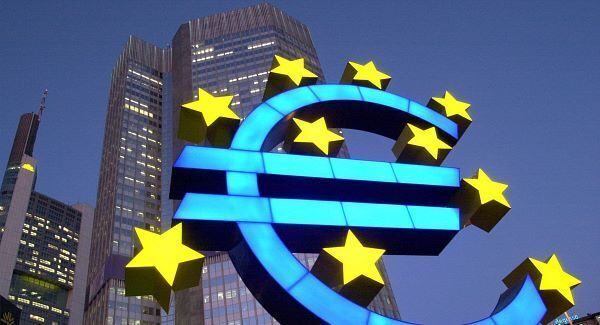
Yesterday’s report from the European Central Bank, an all-powerful institution that played a central role in lumbering this country with almost impossible debt to protect private investors in Germany and Holland, may not reopen that wound but it will certainly re-energise debate around the morality of nationalising private debts.
It will also re-energise the debate around what European solidarity actually means and, most of all, the clutching-at-straws debate about what can be done to try to bring something that might, on a very dark night, pass for morality or even basic honesty to the process.
The ECB report confirmed that we lost more personal wealth than any other eurozone country in the aftermath of the financial crash while Germany and the Netherlands gained most.
Even if some of our imagined wealth was based on Alice in Wonderland property prices the toll was, is and will be heavy. In the years between 2009 and 2013, the ECB found that Ireland lost more than €18,000 per person.
Spaniards’ wealth dwindled by almost €13,000, Greeks by €17,000. In Holland and Germany, the sources of much of the capital lost in Ireland, grew — roughly — by €33,000 and €19,000 respectively because of wise financial investments. Public services were not cut as they were here in those countries either.
The data shows the stark differences between countries in the 19-country eurozone so very clearly the ECB acknowledged the divergence but admitted that there is little the ECB can do to try remedy it — even if it wanted to.
The ECB figures are also a reminder of the public policies that did so much to destroy this State’s independence. They must also provoke the most challenging question — might we repeat the mistakes of the past? That’s an open question but a distinct possibility.
Despite our harrowing lessons we still borrow the bones of €10bn a year and at the very first opportunity we demand that taxes be lowered and that public sector wages restored to pre-crash levels.
The ECB figures show startling inequity but have we really learnt any of the terrible lessons that brought us to such a sorry point?









