Demise of bees identified
Ireland has seen a decline in such birds since the 1970s — probably mirroring a 40% drop across Europe — with loss of habitat and intensive farming being blamed. Increased use of pesticides has also been recognised as a factor in the bird decline. But, research demonstrates for the knock-on effects to other species of insecticides known to harm bees. This follows a previous finding that food production is threatened.
A two-year, EU ban on three insecticides — known as neonicotinoids — began at the end of 2013, but the suspected knock-on effects on other species have not been shown until recently. Unlike other pesticides these chemicals penetrate leaves, roots and stems, as well as pollen and nectar.
Research published in the leading journal, Nature, has revealed data from the Netherlands showing that bird populations fell most in those areas where neonicotinoid pollution was highest. Starlings, tree sparrows and swallows were among the most affected.
Upwards of 95% of neonicotinoids applied to crops end up in the wider environment, killing the insects the birds rely on for food, particularly when raising chicks.
The researchers, led by Hans de Kroon, an ecologist at Radboud University, in the Netherlands, examined other possible reasons for the bird declines seen during the study period of 2003 to 2010, including intensification of farming. But high pollution by a neonicotinoid was by far the largest factor.
Mr de Kroon described the findings as surprising and disturbing and said water containing a neonicotinoid led to a 30% fall in bird numbers over 10 years, but some water had contamination levels 50 times higher. Just as barn owls which eat poisoned rats die themselves, highly toxic substances that kill insects lead to declines in things that eat insects such as birds, bats and hedgehogs.
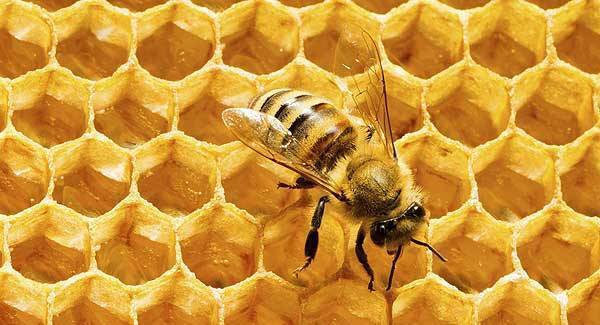
Meanwhile, further research showing that neonicotinoids damage affects the natural ability of bees to collect food has been published in the Functional Ecology journal. Tiny tags used to track bees found those exposed to the insecticide gathered less pollen. Bayer, the multi-national chemical corporation, has started legal proceedings challenging the EU ban and restrictions in Ontario, Canada, which limit neonicotinoid use by 80%.
Bayer has claimed there’s no substantiated evidence of indirect effects on birds. It says it is working with the Dutch authorities and agricultural stakeholders to ensure the safe use of crop protection products.

CONNECT WITH US TODAY



Be the first to know the latest news and updates